Vizio’s discounted Mini LED TV lets you skip the sign-ups and smarts
Source Entity
Brad Bourque
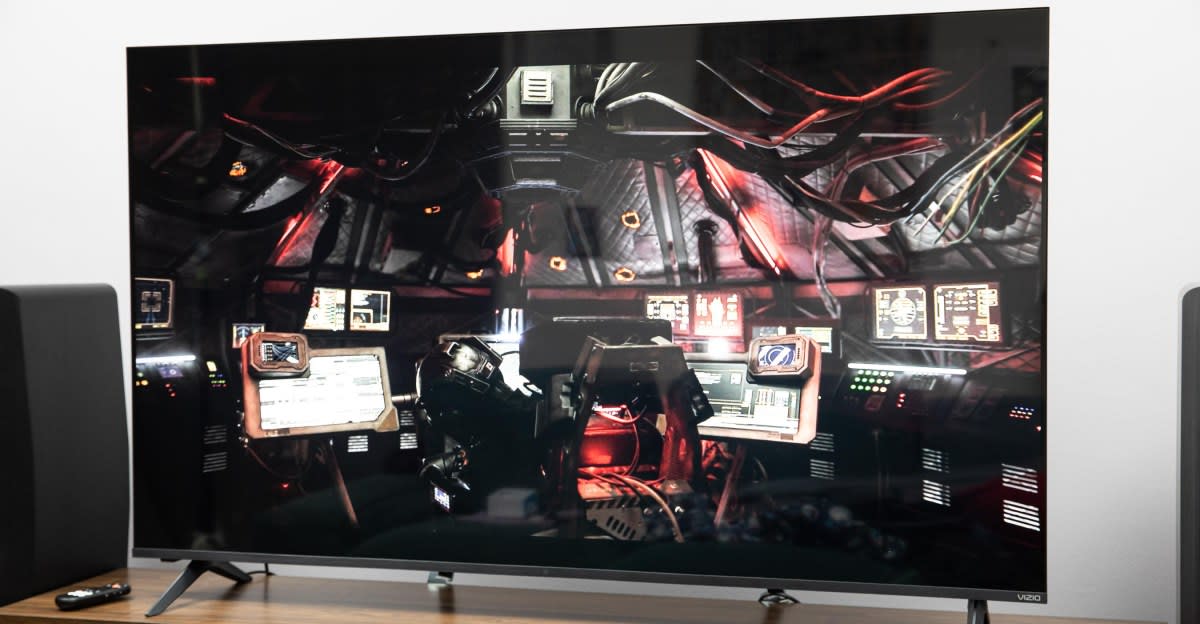
Vizio is offering significant discounts on its Mini LED Quantum TVs at Walmart, allowing users to bypass built-in smart features. This option appeals to consumers seeking privacy and a streamlined experience by utilizing external streaming devices instead of the manufacturer's OS.
The Shift Toward 'Dumb' Smart TV Functionality
Modern television sets have increasingly become data-harvesting hubs, with manufacturers bundling proprietary operating systems that track user behavior, serve targeted advertisements, and require mandatory software updates. Vizio’s latest move with its Mini LED Quantum TV line highlights a growing consumer preference for 'dumb' display functionality. By allowing users to bypass the integrated Vizio OS during the initial setup, the company is catering to a specific market segment that prioritizes hardware performance over software ecosystem lock-in.
Prioritizing Privacy and Control
The primary driver for this consumer trend is the mitigation of privacy concerns. Most smart TVs function by collecting telemetry data regarding viewing habits and app usage, often sharing this information with third-party partners. By opting out of the Vizio OS agreements, users can effectively treat these high-end Mini LED panels as dedicated monitors. This approach grants users the freedom to employ external streaming solutions—such as Roku, Apple TV 4K, or NVIDIA Shield—which often offer more robust privacy controls and superior user interfaces compared to pre-installed manufacturer software.
Hardware Value and Market Positioning
Currently, the discount strategy at Walmart places these Vizio models at a highly competitive price point. With the 65-inch model reduced to $358 and the 85-inch model available for $698, Vizio is aggressively targeting budget-conscious videophiles. Mini LED technology, which provides superior contrast and brightness levels compared to standard LED panels, is usually reserved for higher-tier pricing. By bundling this hardware with a 'bypassable' software layer, Vizio provides a high-quality visual experience without forcing the user to engage with the smart features they may find intrusive.
The Future of Smart Home Ecosystems
This development signals a potential shift in how hardware manufacturers approach the 'Smart TV' market. While data monetization remains a core pillar of the industry's business model, consumer pushback against forced software integration is becoming impossible to ignore. If manufacturers continue to allow users to opt-out of these ecosystems, we may see a bifurcation in the market: premium 'smart' displays that prioritize seamless integration and 'dumb' panels that focus exclusively on raw display performance and user privacy.
Strategic Implications for Consumers
For the average consumer, this Vizio promotion serves as a reminder to evaluate the long-term utility of a television. While smart features offer initial convenience, they often become sluggish as hardware ages, leading to a degraded user experience. By choosing a display that allows for an external streaming device, consumers ensure that their primary viewing experience remains fast and updated, as they can simply swap out the streaming hardware whenever it becomes obsolete, rather than needing to replace the entire television set.