Data centers are a political third rail. West Virginia is grabbing it anyway.
Source Entity
Claudia Assis
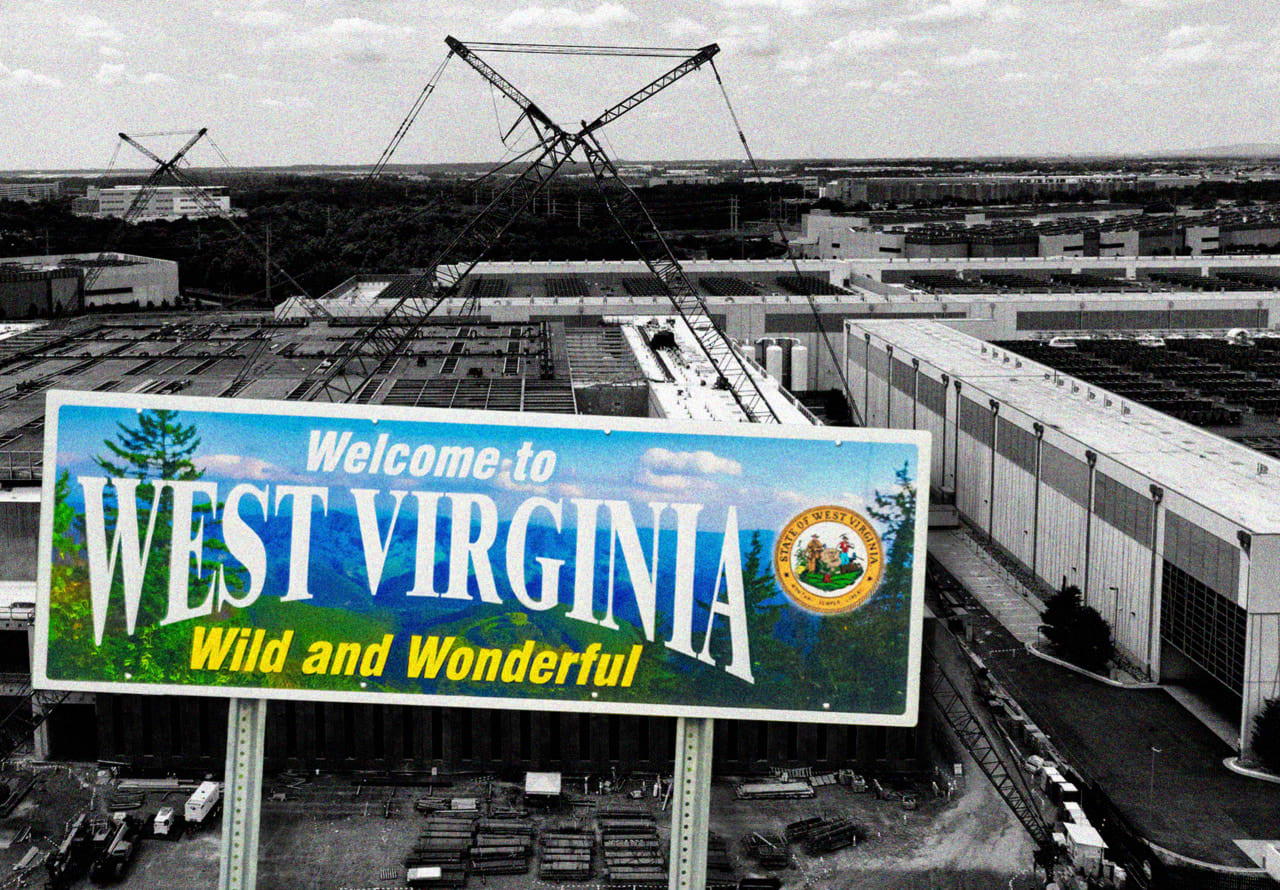
West Virginia is actively courting data center investment despite growing national concerns over resource consumption. This strategy signals a divergence from states that are currently restricting such developments.
The Strategic Pivot to Digital Infrastructure
West Virginia has officially emerged as a counter-trend in the national debate surrounding digital infrastructure. While several states across the United States have begun to 'slam the brakes' on data center construction due to concerns regarding energy grid strain, water usage, and land preservation, West Virginia is proactively positioning itself as a welcoming hub for these facilities. This move represents a deliberate economic pivot for a state traditionally defined by its extraction-based industrial history, signaling an attempt to modernize its fiscal landscape through the digital economy.
The Political and Environmental 'Third Rail'
Data centers have become a political 'third rail' because they represent a paradox of modern development: they are essential for the operation of cloud computing and artificial intelligence, yet they are extremely resource-intensive. In many jurisdictions, local residents and environmental advocates have successfully lobbied against these projects, citing excessive noise, massive power consumption, and the diversion of precious water resources for cooling systems. West Virginia’s decision to embrace this industry despite its controversial status suggests a high-stakes bet that the economic benefits—such as tax revenue and job creation—will outweigh the political friction typically associated with these massive technical footprints.
Economic Drivers and Regional Competition
For West Virginia, the push for data centers is likely rooted in a need to diversify away from legacy industries. By marketing itself as an accessible location for high-tech infrastructure, the state is competing against regions that are becoming increasingly saturated or hostile toward industrial growth. This strategy relies on the state’s potential to provide cost-effective energy and available land, which are the primary limiting factors for data center developers in more congested coastal states. If successful, this could create a new industrial corridor, though it necessitates careful planning regarding grid capacity and infrastructure upgrades.
Evaluating the Long-Term Sustainability
While the immediate goal is economic growth, the long-term sustainability of this path remains a subject of intense debate. The energy requirements for modern data centers—especially those powering artificial intelligence—are growing at an exponential rate. West Virginia must balance its current desire for investment with the reality of grid reliability. The challenge will be ensuring that the influx of new tech infrastructure does not inadvertently cause energy price spikes or reliability issues for the existing residential and commercial populations, which could lead to the same public backlash currently seen in other states.
Future Trends and Outlook
Looking ahead, West Virginia’s approach will serve as a critical case study for other states seeking to leverage their land and energy resources for the digital age. If the state can successfully integrate these facilities while maintaining public support, it could fundamentally alter its economic trajectory. However, the 'third rail' nature of these projects suggests that the political environment could shift rapidly. Success will likely depend on the state’s ability to implement transparent regulatory frameworks that address the environmental and social concerns that have stalled similar developments elsewhere in the country.
Verification Required?