'Politicisation of energy flows harmful': EAM calls for diversified supply chains at G20
Source Entity
AASTHA JHA
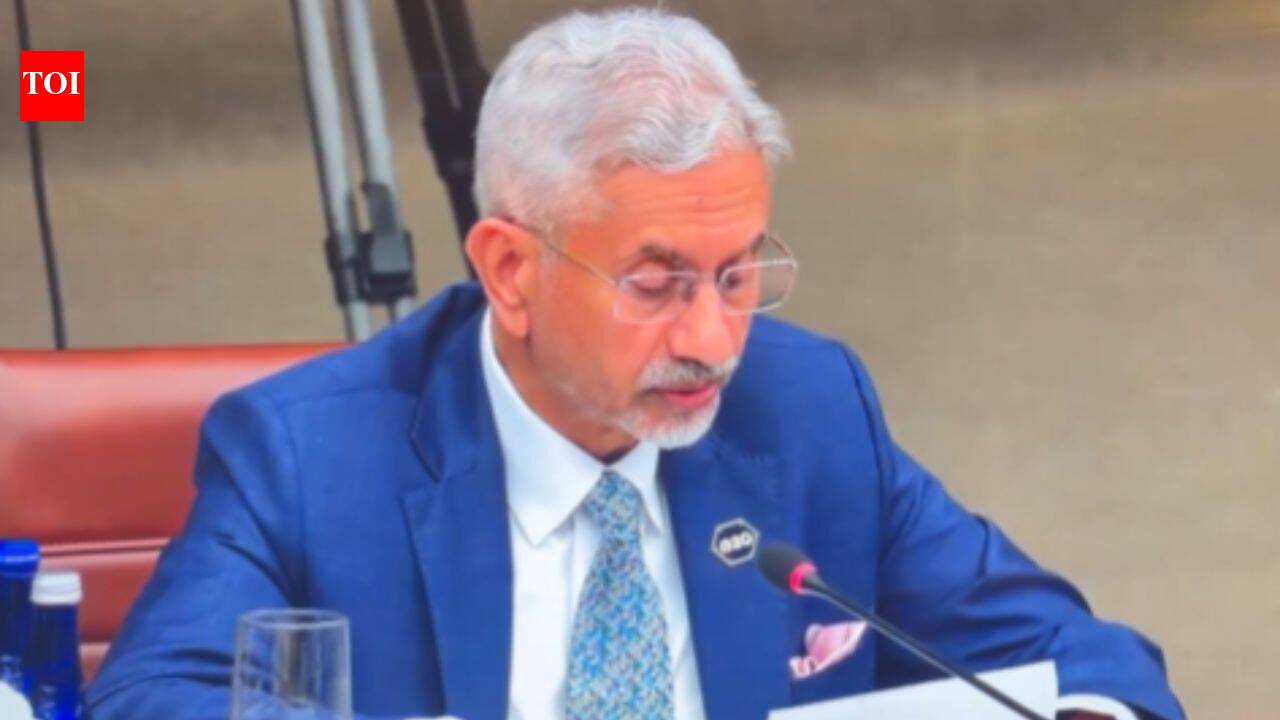
External Affairs Minister S. Jaishankar urged G20 nations to de-politicize energy markets and diversify supply chains. He highlighted how sanctions and infrastructure attacks are destabilizing global prices, disproportionately affecting low-income nations.
Global Energy Security: A Call for De-politicization
At the recent G20 foreign ministers' meeting in Atlanta, External Affairs Minister S. Jaishankar delivered a pointed critique of the current state of global energy markets. His remarks centered on the urgent need to decouple energy flows from geopolitical maneuvering, a stance that highlights the increasing vulnerability of the global economy to regional conflicts and unilateral sanctions. By calling for diversified supply chains, India is positioning itself as a voice for the Global South, emphasizing that energy security should not be treated as a tool of statecraft.
The Impact of Sanctions and Chokepoints
Jaishankar explicitly flagged how "distortions of energy markets"—specifically through obstacles, sanctions, and physical chokepoints—are creating artificial scarcity. The minister noted that these disruptions are not merely incidental but represent a "calculated strategy" to manipulate prices. By targeting the flow of oil and gas through both regulatory and kinetic means, major powers are effectively holding global energy prices hostage, creating a climate of uncertainty that hinders long-term investment and stability.
Disproportionate Burden on Low-Income Nations
The most concerning aspect of this energy volatility is the lack of consideration for vulnerable economies. During the second plenary session, Jaishankar underscored that there appears to be "little regard" for the predicament of low-income countries. When energy prices spike due to geopolitical posturing, these nations suffer the most, as their limited fiscal space is consumed by rising import bills, often leading to domestic inflation and social instability. This critique serves as a reminder that the G20’s mandate to ensure global economic stability is currently being undermined by narrow national interests.
The Geopolitics of Infrastructure Attacks
The minister’s comments also addressed the physical threats to energy infrastructure, noting that "deliberate attacks" on energy assets and shipping vessels have become a recurring feature of modern conflicts. From the wars in West Asia to the ongoing Russia-Ukraine conflict, the targeting of energy infrastructure has evolved into a strategic weapon. These actions threaten the integrity of global supply chains and demonstrate that current international frameworks are struggling to protect critical energy transit routes from non-state and state-sponsored disruption.
Future Trends and Strategic Autonomy
Looking ahead, the discourse initiated by India at the G20 suggests a growing push for strategic autonomy among emerging economies. As the U.S. navigates complex policies—ranging from sanctions on Iranian oil to specific waivers for Russian-linked transactions—the inconsistency in enforcement creates a volatile environment for global buyers. Future energy trends will likely see a shift toward more regionalized energy trade agreements and a concerted effort to bypass traditional chokepoints that are currently subject to political interference.
Conclusion
In summary, Minister Jaishankar’s intervention at the G20 serves as a critical warning: unless the international community prioritizes the de-politicization of energy, the world will continue to face supply-side shocks that threaten global recovery. Diversification of supply chains is no longer just an economic preference; it is an absolute necessity for global security. The G20 must now reconcile its role as a premier economic forum with the reality that energy is being weaponized at the expense of the most vulnerable.
Multiple Citing Sources