Farm fires, weather, Diwali behind pre-emptive air pollution curbs in NCR
Source Entity
Nikhil Ghanekar
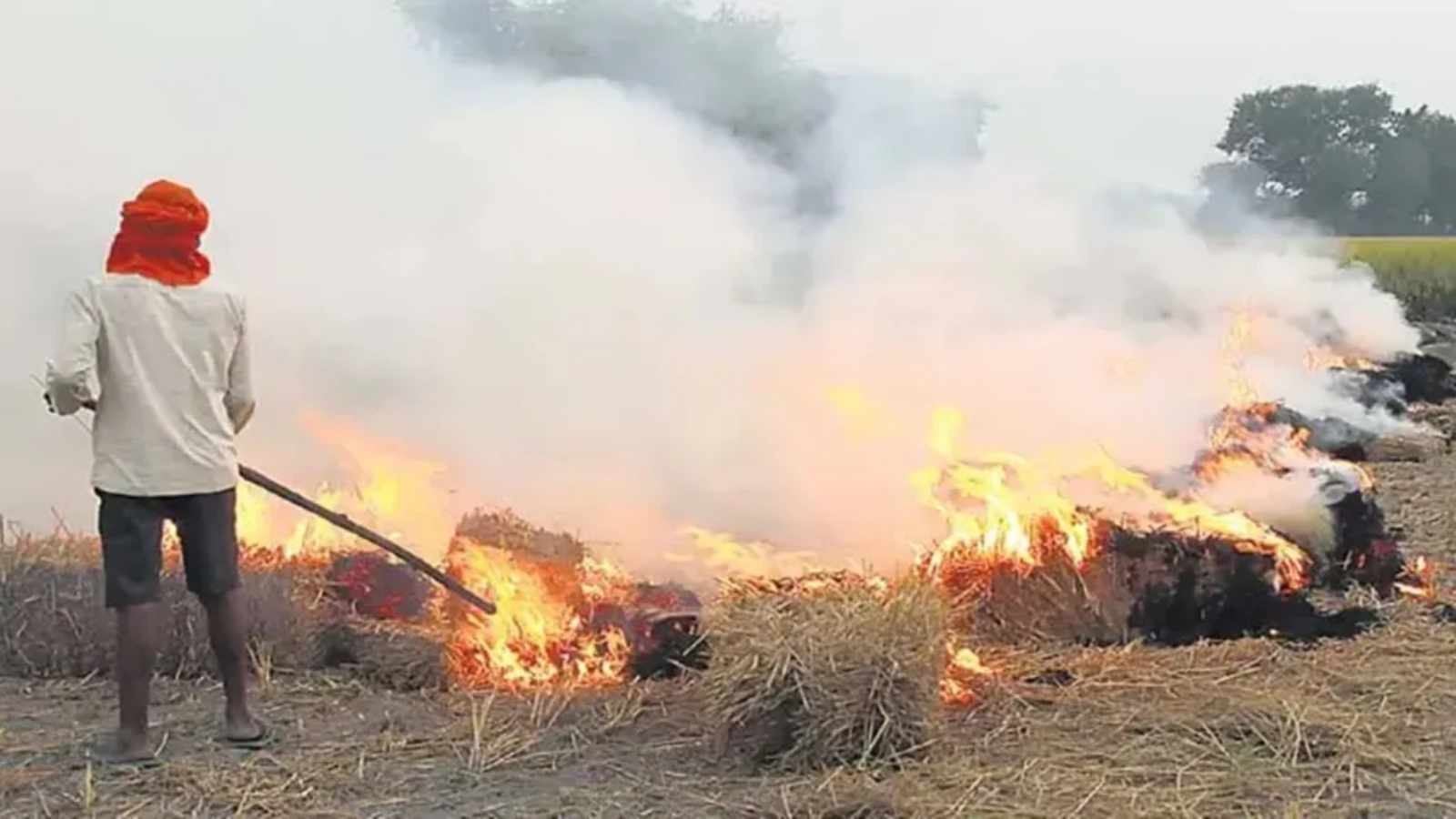
Delhi has implemented strict vehicle and construction bans to combat worsening air quality as winter approaches. These anticipatory measures, including a ban on non-BS-VI vehicles from NCR districts, are expected to disrupt transport logistics and increase costs.
Delhi Implements Pre-emptive Measures Against Winter Pollution
As the winter season approaches, the National Capital Region (NCR) is bracing for a significant shift in mobility and construction activity. Beginning November 1, authorities have implemented a series of stringent restrictions aimed at mitigating the annual spike in air pollution. Central to these measures is a ban on non-BS-VI compliant petrol and diesel vehicles registered outside of Delhi, a policy designed to curb the influx of high-emission transport that frequently commutes into the city.
The Scale of the Vehicle Restriction
The logistical challenge of this ban is underscored by the sheer volume of affected vehicles. Approximately 48 lakh non-BS-VI vehicles are registered in the NCR districts bordering Delhi, with a total of 3.02 crore such vehicles registered across Uttar Pradesh, Haryana, and Rajasthan. Given that roughly three-quarters of these vehicles are two-wheelers, the enforcement task for the Delhi Traffic Police is immense. These vehicles represent a significant portion of the daily traffic flow that contributes to the city's deteriorating air quality.
Beyond GRAP: A Pre-emptive Strategy
In a departure from standard operating procedures, the Commission for Air Quality Management (CAQM) has introduced measures outside the traditional Graded Response Action Plan (GRAP). While GRAP is typically reactive—triggered by actual air quality deterioration—the current 15-day ban on dust-generating construction and the 50% work-from-home mandate are explicitly "precautionary" and "anticipatory." This shift signals a proactive regulatory stance to prevent the "pollution peak" often observed during the winter months.
Economic Implications and Logistics
The economic ripple effects of these restrictions are already becoming apparent. Transporters have warned of potential 15-20% increases in bus fares, alongside possible disruptions to the supply of essential goods. The removal of exemptions for tourist-permit buses is particularly concerning for the travel industry, which faces significant financial losses during the peak winter tourist season. Operators have noted that hundreds of buses will be unable to enter the capital, directly impacting both domestic and international travel operations.
Challenges in Enforcement and Future Trends
Ensuring compliance remains a formidable hurdle for law enforcement. The sheer number of vehicles entering and exiting the capital daily makes manual monitoring difficult. As these restrictions remain in effect until January 31, 2027, the focus will likely shift toward long-term infrastructure improvements and the gradual phasing out of older vehicle stock. The success of these measures will be measured not only by air quality indices but by the city's ability to maintain economic functionality under these new environmental constraints.
Conclusion
The current anti-pollution drive represents a critical turning point in Delhi's urban management. By prioritizing public health through aggressive restrictions on construction and non-BS-VI transit, the government is attempting to decouple urban growth from environmental degradation. However, the resulting economic pressure on the transport sector and the logistical strain on the NCR highlight the complex trade-offs inherent in modernizing urban air quality standards.
Multiple Citing Sources