"There Will Be Issues Between Big Countries, Big Neighbours": S Jaishankar On India-China Ties
Source Entity
NDTV News Search Records Found 1000
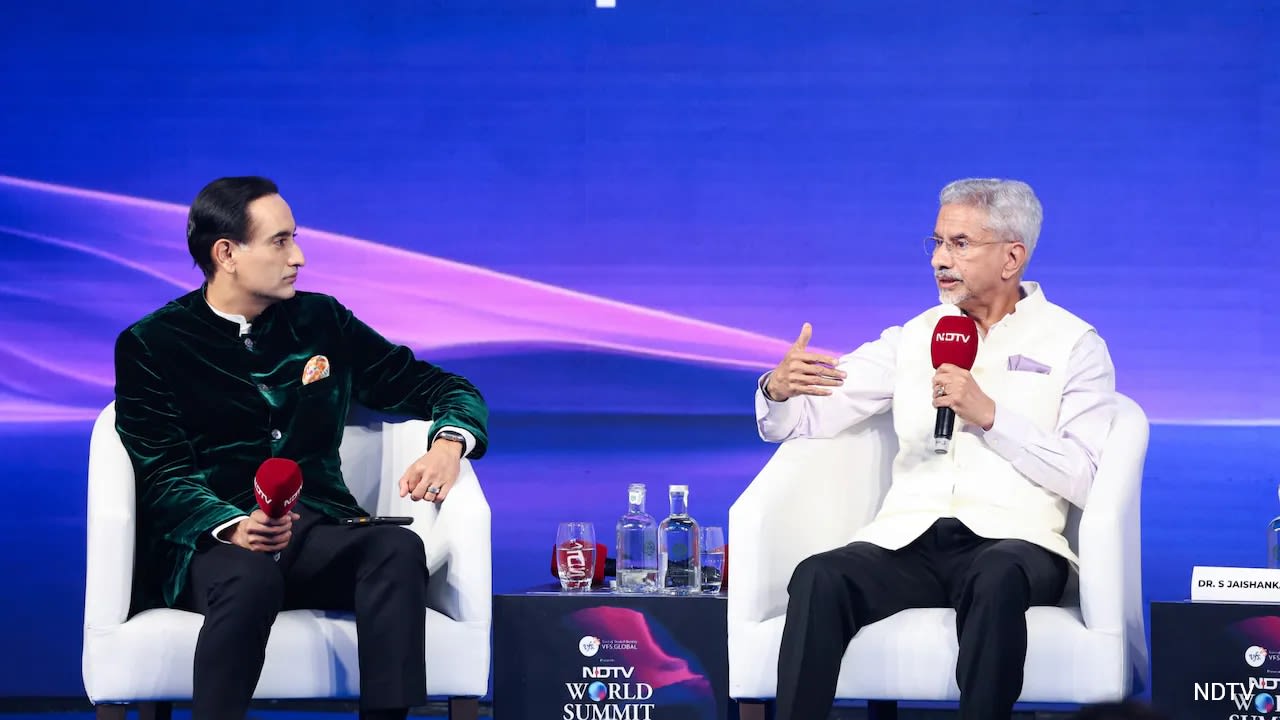
External Affairs Minister S Jaishankar addressed the complexities of India-China relations at the NDTV World Summit 2026. He emphasized that friction is an inevitable reality between large, neighboring nations while advocating for a managed approach to bilateral ties.
Navigating the Geopolitics of Proximity: The India-China Dynamic
At the NDTV World Summit 2026, External Affairs Minister S Jaishankar offered a pragmatic assessment of the current state of India-China relations. By framing the relationship as one inherently prone to 'issues' due to the sheer size and shared geography of the two nations, Jaishankar underscored the reality that India and China are not merely neighbors, but major powers whose strategic interests frequently intersect, and occasionally collide, on the world stage.
The Inevitability of Strategic Friction
The Minister's remarks highlight a fundamental tenet of international relations: the 'big neighbor' syndrome. When two massive nations share a long, often disputed border, the potential for friction is high. This is not a new phenomenon; historically, the relationship has been defined by a mix of economic interdependence and deep-seated security concerns. By acknowledging these issues openly, the Indian leadership is signaling a departure from idealistic expectations toward a more realistic, interest-based foreign policy framework.
Managing the Border and Beyond
Central to the discourse is the persistent challenge of border stability, which remains the primary source of bilateral tension. Jaishankar’s comments imply that while the relationship will remain difficult, the objective is not necessarily to eliminate all friction—which may be impossible—but to manage it effectively. This suggests that India is focusing on maintaining strategic autonomy while ensuring that border disputes do not paralyze cooperation in other critical arenas such as climate change, global economic governance, and multilateral forums.
Implications for Global Multipolarity
The India-China relationship is a critical pillar of the emerging multipolar world order. As both nations exert greater influence globally, their bilateral stability has ripple effects across Asia and the Global South. Jaishankar’s perspective suggests that India views its relationship with China through the lens of long-term strategic competition, necessitating a sophisticated diplomatic approach that balances firmness on core national interests with a pragmatic willingness to engage on issues of mutual concern.
Future Trends in Bilateral Diplomacy
Looking forward, the rhetoric from the NDTV World Summit indicates that India is settling into a 'new normal' with Beijing. We can expect future diplomatic trends to emphasize managed containment, where both nations work to prevent skirmishes from escalating into broader conflicts. This approach allows India to pursue its domestic development goals without being perpetually derailed by regional volatility, while simultaneously bolstering its position as a key player in the Indo-Pacific.
Conclusion: A Realistic Path Forward
In summary, S Jaishankar’s insights at the 2026 summit reflect a mature foreign policy stance. By accepting that 'issues between big countries' are inevitable, India is moving away from the hope for a sudden thaw in relations toward a more sustainable, resilient, and proactive strategy. This shift is essential for India to maintain its trajectory as a rising global power while navigating the complexities of its most significant regional neighbor.
Verification Required?