'You’re going to get in trouble': Ex-cricketer warns Jaiswal after ugly clash
Source Entity
TOI SPORTS DESK
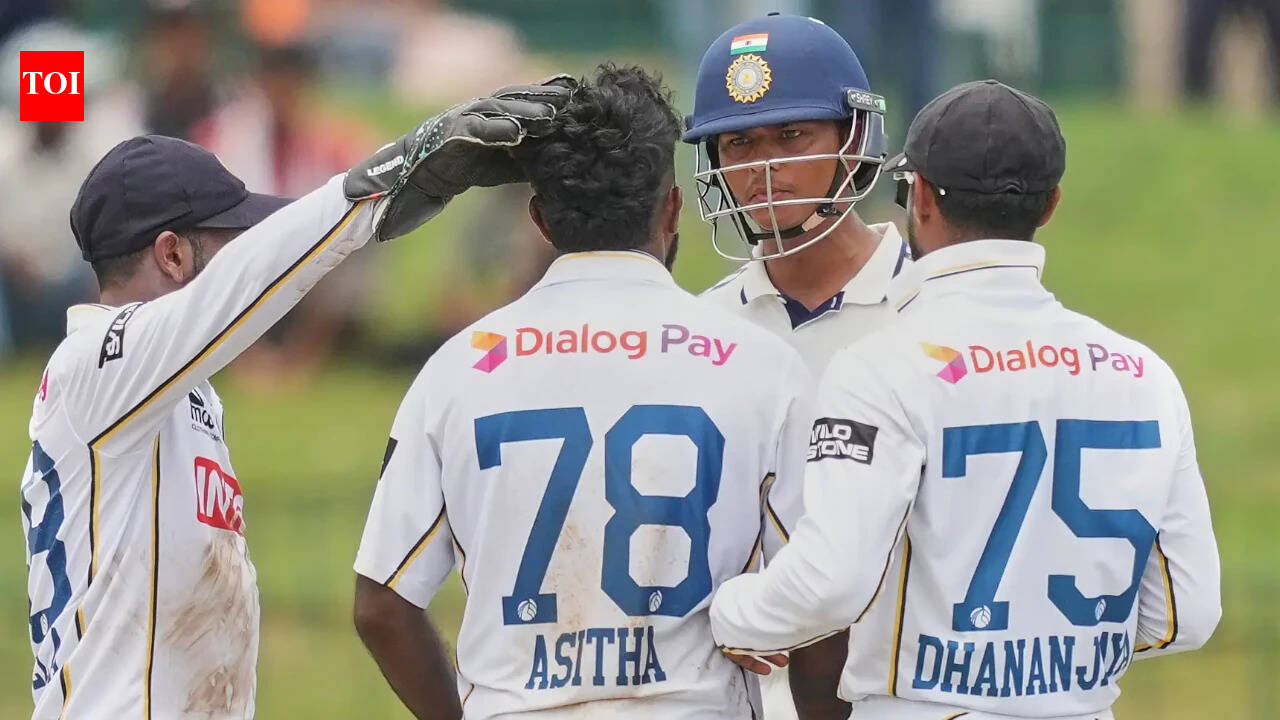
Indian cricketer Yashasvi Jaiswal faced disciplinary action following a physical confrontation with Sri Lanka's Asitha Fernando. Former players have criticized this behavior, emphasizing the need for professional conduct as subsequent incidents involving Mohammed Siraj suggest a recurring pattern of on-field aggression.
The Rising Tide of On-Field Aggression in Indo-Lanka Tests
Recent events during the India versus Sri Lanka Test series in Colombo have brought the focus back to the fine line between competitive spirit and unsportsmanlike conduct. During the second Test, Indian opener Yashasvi Jaiswal was involved in a physical altercation with Sri Lankan pacer Asitha Fernando immediately following his dismissal. The incident, which involved a head-to-head collision while Jaiswal was walking back, has sparked a significant debate among former players and cricket officials regarding the temperament expected of international athletes.
Disciplinary Consequences and Expert Critique
The International Cricket Council (ICC) responded swiftly to the incident, imposing a 25 percent match fee fine and a demerit point on both Jaiswal and Fernando. Former Indian cricketers, including Cheteshwar Pujara and WV Raman, have publicly expressed their disappointment. Pujara, known for his composed demeanor, explicitly labeled the head-to-head contact as unacceptable, noting that such physical confrontations are entirely avoidable in the modern game. Saba Karim added to the discourse, emphasizing that players at this level carry the responsibility of being role models for young cricket enthusiasts who view their behavior as the standard for professional play.
A Pattern of Provocation?
The concern regarding Jaiswal’s behavior is compounded by his history of heated exchanges, including a previous verbal confrontation with Niroshan Dickwella during the first Test in Galle. In that instance, Jaiswal was noted for using unconventional tactics—such as taunting the batter with “IPL” offers—to bait his opponent into playing a rash shot. This emerging pattern suggests a tactical reliance on sledging, which many veterans argue detracts from the technical prowess that defines Test cricket.
The Siraj Factor and Escalation
This trend of aggression appears to have permeated the wider squad, as evidenced by Mohammed Siraj’s actions during the third day of the same Colombo Test. Siraj was observed repeatedly sledging Sri Lankan batter Kamil Mishara, an act that necessitated immediate intervention from the on-field umpires. While the strategy of 'unsettling' the batter is a documented part of fast-bowling psychology, the frequency of these interventions suggests that the Indian team’s current approach is pushing the boundaries of the ICC Code of Conduct.
Broader Implications for the Sport
These incidents highlight a growing tension in high-stakes series where the pressure to perform often manifests as psychological warfare. While sledging is an age-old tradition in cricket, the transition from verbal banter to physical proximity—such as the Jaiswal-Fernando headbutt—marks a dangerous escalation. The cricket fraternity is now calling for a recalibration of the team's approach, urging players to prioritize mental fortitude and skill over aggressive confrontation.
Concluding Thoughts on Professionalism
As the series concludes, the legacy of these matches may be defined as much by these disciplinary issues as by the cricket played on the pitch. If the Indian team continues to adopt a confrontational style, they risk further sanctions and a damaged reputation. It remains to be seen whether coaching staff will implement stricter behavioral guidelines to ensure that competitive intensity does not cross the threshold into hostility in future international fixtures.
Multiple Citing Sources