Why I am on a hunger strike as a Jamia student
Source Entity
The Indian Express
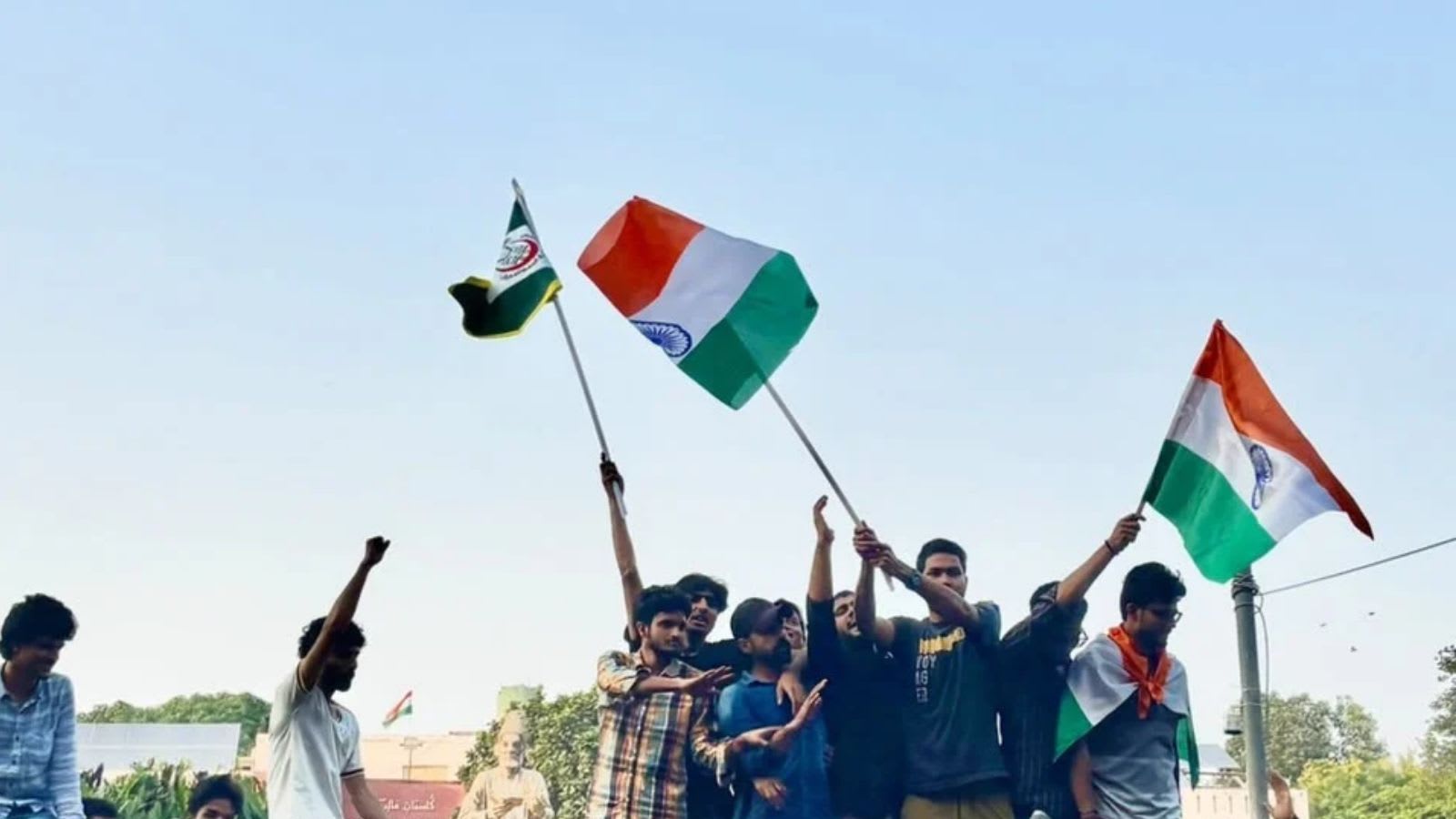
Jamia Millia Islamia student Ebin Basil has initiated a hunger strike to protest the university's 20-year absence of a student union. He argues this lack of representation stifles democratic participation and the development of future political leaders.
The Crisis of Representation at Jamia Millia Islamia
The Silent Campus: A Two-Decade Void
For the past twenty years, Jamia Millia Islamia, a prominent central university in India, has functioned without an elected student union. This prolonged absence of a formal representative body is not merely an administrative oversight; it represents a significant gap in the democratic fabric of the institution. Ebin Basil, a student at the university, has drawn national attention to this issue by initiating a hunger strike, framing the lack of a union as a fundamental denial of the democratic rights afforded to students in a parliamentary democracy.
The Role of Student Unions in Political Pedagogy
Student unions serve as the primary bridge between the student body and the university administration. Beyond advocating for student welfare, these bodies act as training grounds for future governance. Historically, student politics in India has served as a crucible for leadership, with countless members of Parliament and state legislative assemblies tracing their initial political mobilization to their time in student unions. By denying students a platform for collective bargaining and political discourse, the university effectively curtails the development of civic engagement and future leadership potential.
Democratic Aspirations vs. Administrative Stasis
At the heart of Ebin Basil's protest is the question of how an educational institution can function as a microcosm of a democratic nation while silencing the voices of its constituents. Without a formalized union, students lack a legitimate mechanism to present their grievances or participate in the decision-making processes that directly impact their academic and campus lives. This structural void creates an environment where the administration operates without the necessary checks and balances that a representative body would typically provide.
The Broader Implications for Student Activism
Basil's decision to resort to a hunger strike underscores the frustration felt by students when institutional channels for dialogue are perceived as non-existent or inaccessible. This form of protest highlights a critical failure in communication between the student body and the university leadership. It raises a broader concern regarding the state of student politics in central universities, where the suppression of student representation can lead to disenfranchisement and a decline in the culture of political inquiry that is essential to higher education.
Future Trends and the Call for Reform
As the protest gains visibility, it forces a conversation about the necessity of holding student elections to restore democratic norms within Jamia Millia Islamia. If the university continues to operate without a union, it risks fostering a culture of apathy or, conversely, radicalization born out of desperation for representation. The outcome of Basil's hunger strike may serve as a pivotal moment for the campus, either leading to an eventual restoration of democratic elections or signaling a deepening divide between the administration and the student collective.