Delhi’s streets to Chandigarh campus, a wider politics of student dissent
Source Entity
Manraj Grewal Sharma
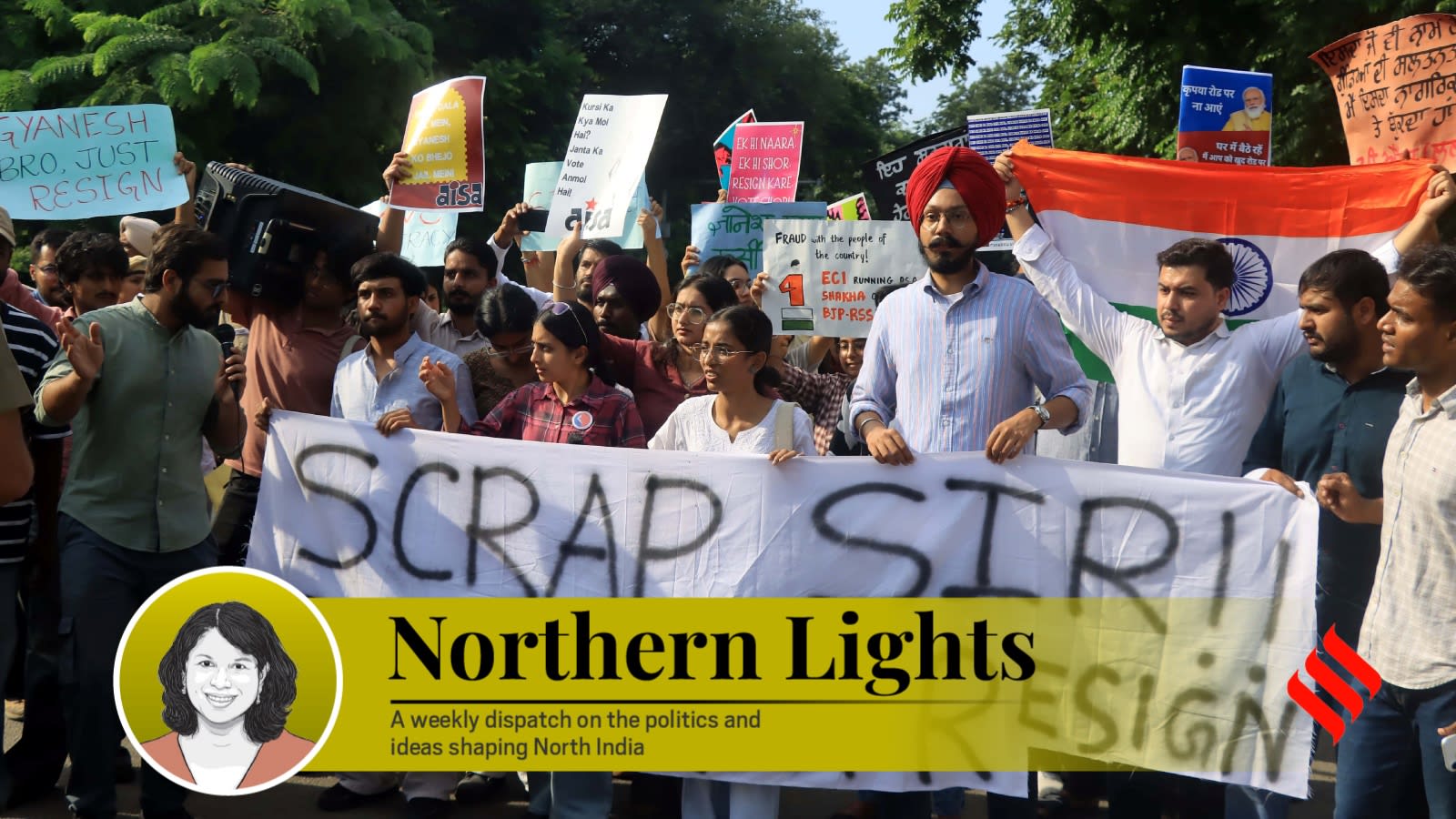
Students at Jamia Millia Islamia have launched an indefinite hunger strike demanding the restoration of their students' union, which has been inactive since 2006. This protest highlights a broader landscape of student activism in India, where campus political dynamics continue to shape national discourse.
The Resurgence of Student Activism at Jamia Millia Islamia
Five students at Jamia Millia Islamia have initiated an indefinite hunger strike, marking a significant escalation in a two-decade-long struggle to restore the university’s students’ union. The lack of an elected body since 2006 has created a governance vacuum, leaving students without a formal mechanism to address grievances. By taking this drastic step, the students are highlighting a critical need for democratic representation within the institution to bridge the gap between the student body and the administration.
The Core Grievances: Beyond Representation
The protesters argue that the absence of a union has led to the systemic suppression of student voices. Their concerns are not merely political but deeply rooted in the functional realities of campus life. They have identified several essential areas requiring urgent administrative attention, including the state of hostels, accessibility to clean drinking water, the maintenance of washrooms, classroom conditions, and the functionality of library facilities and elevators. Without an elected representative body, these day-to-day operational issues often go unaddressed, exacerbating student frustration.
Administrative Response and Tensions
The administration’s response has been one of skepticism and procedural friction. Officials from the Proctor’s Office have challenged the protest, citing that it is not being conducted at the officially designated site of Gate No. 18. Furthermore, the administration has questioned the identity of those involved, signaling a potential standoff between the university leadership and the student activists. This friction underscores the difficulty of reconciling institutional policy with the growing demand for student autonomy.
The Broader Landscape of Indian Campus Politics
This protest at Jamia does not exist in a vacuum; it is part of a larger, evolving narrative of student dissent across India. In contrast to the Jamia situation, campuses like Panjab University in Chandigarh showcase a different spectrum of political engagement. While Jamia struggles for the very existence of a union, Panjab University navigates a complex, highly competitive electoral environment dominated by the Left, Ambedkarite factions, and the ABVP, which recently broke a historical jinx to secure the presidency.
Analyzing the Future of Student Dissent
The contrast between these two environments—one fighting for the right to organize and the other engaged in established electoral competition—reveals the disparate challenges facing modern Indian student movements. As these movements continue to gain momentum, the pressure on university administrations to formalize student representation will likely increase. The outcome of the Jamia protest will serve as a bellwether for how central institutions manage internal democratic demands in the coming years.
Conclusion
The hunger strike at Jamia Millia Islamia is a potent reminder of the essential role that representative bodies play in academic governance. Whether or not these students succeed in reviving the union, their actions have successfully brought the issue of institutional accountability to the forefront. The ongoing tension between student activism and administrative oversight remains a defining feature of the Indian higher education landscape, reflecting broader societal debates about democracy and voice.