Delhi gets rain relief, but monsoon rages across J&K, Himachal, Uttarakhand and Assam
Source Entity
The Indian Express
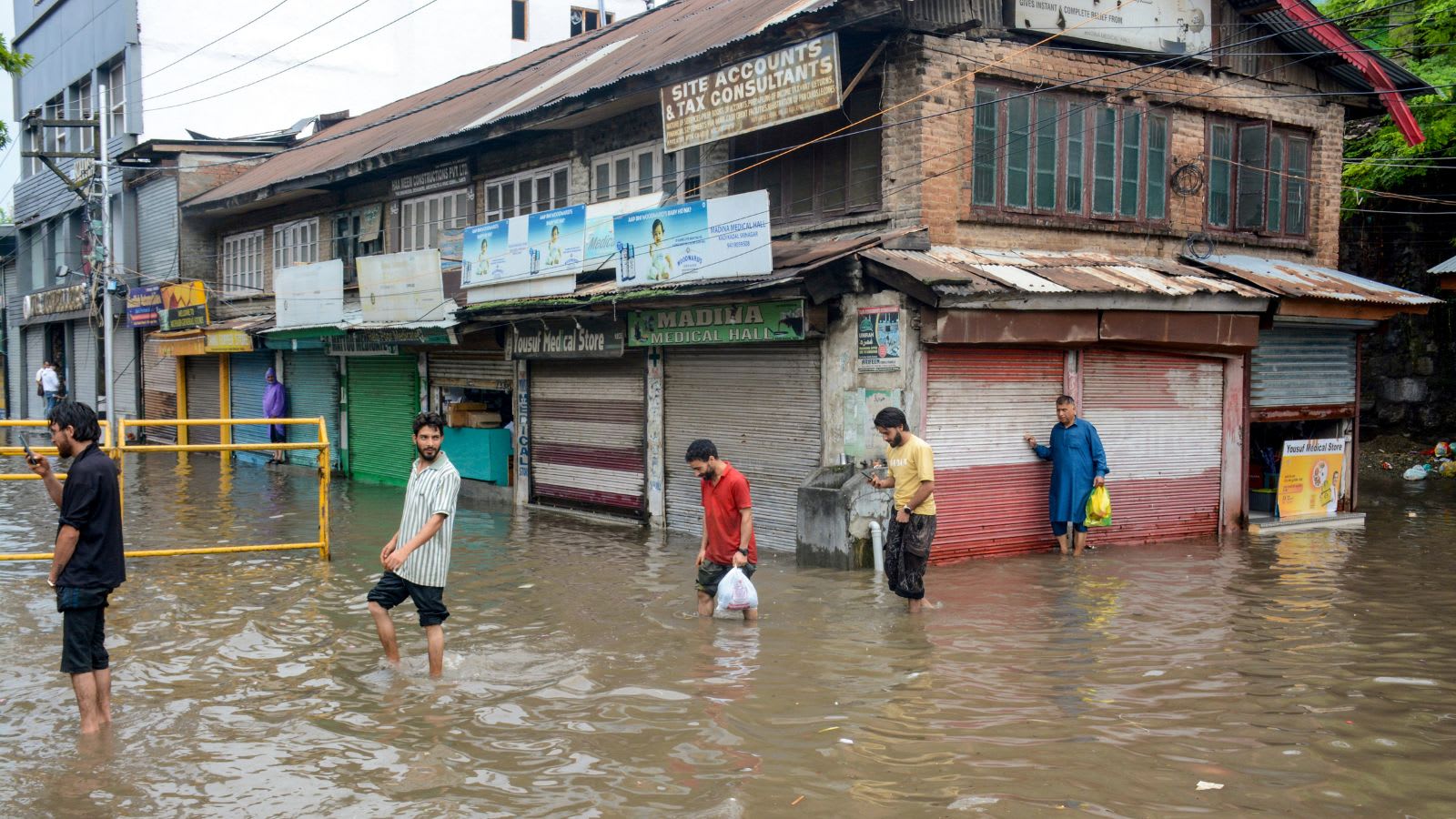
Torrential rains have caused devastating flash floods and landslides across Jammu and the Northeast, resulting in at least 53 deaths. Rescue operations are ongoing as authorities issue red alerts and suspend major pilgrimages.
Devastating Rains Trigger Humanitarian Crisis in Jammu and Northeast India
A Region Under Siege by Extreme Weather
The Jammu division and parts of Northeast India are currently facing a catastrophic humanitarian crisis following days of relentless, torrential rainfall. The weather systems have triggered widespread flash floods and lethal landslides, leading to a significant loss of life. In Jammu alone, the death toll has climbed to 28, with the Poonch district bearing the brunt of the tragedy. Meanwhile, the Northeast, particularly Assam and Meghalaya, reports an additional 25 deaths since late June, highlighting the expansive and severe nature of this monsoon-driven disaster.
The Tragedy in Poonch and Pir Panjal
The devastation in the Pir Panjal region, specifically in Poonch, has been particularly harrowing. Reports confirm that 23 lives were lost in Poonch over a two-day period, with a single landslide at Domail Dhok in the Loran area claiming seven members of a single family. The fragility of mud structures, known locally as "dhoks," has proven fatal under the pressure of mud and water barreling down mountain slopes. The J&K Police and local disaster management agencies have been engaged in grueling, day-long rescue operations to retrieve victims from the rubble, often hampered by continued rainfall and unstable terrain.
Impact on Regional Infrastructure and Pilgrimages
The intensity of the weather has necessitated the suspension of critical religious pilgrimages, including the Amarnath Yatra and the Vaishno Devi shrine visits. These suspensions reflect the severity of the India Meteorological Department’s (IMD) red alert, which warns of extremely heavy rainfall. In Assam, the infrastructure strain is equally visible, with railway authorities forced to cancel, divert, or short-terminate passenger train services. The inundation of over 794 villages and the displacement of tens of thousands of people into relief camps underscore the massive logistical challenge facing the state.
Socio-Economic Consequences and Government Response
The economic toll of these events is mounting rapidly. In Assam, over 19,000 hectares of crop area have been affected, threatening the livelihoods of thousands of farmers. Recognizing the immediate need for relief, CM Omar Abdullah has announced an ex gratia payment of Rs 6 lakh for the next of kin of each victim in Jammu. However, the recurring nature of these floods—impacting 16 districts across Assam—suggests that the region faces long-term challenges in disaster mitigation and infrastructure resilience.
Future Trends and Climate Implications
As these weather patterns intensify, the frequency of such extreme events poses a significant threat to the stability of the Himalayan and Northeast regions. The combination of erratic monsoon patterns and terrain instability creates a precarious environment for residents. Moving forward, authorities will likely need to prioritize the relocation of populations living in high-risk zones and invest in more robust early-warning systems. The current situation serves as a stark reminder of the vulnerability of mountain and riverine communities to climate-induced disasters, necessitating a shift toward more comprehensive disaster-resilient urban and rural planning.
Multiple Citing Sources