Janmashtami 2026: Here's how Krishna is finding a new avatar in pop culture merch
Source Entity
Latest News: Todays Latest News Headlines from India & World | Hindustan Times | Hindustan Times
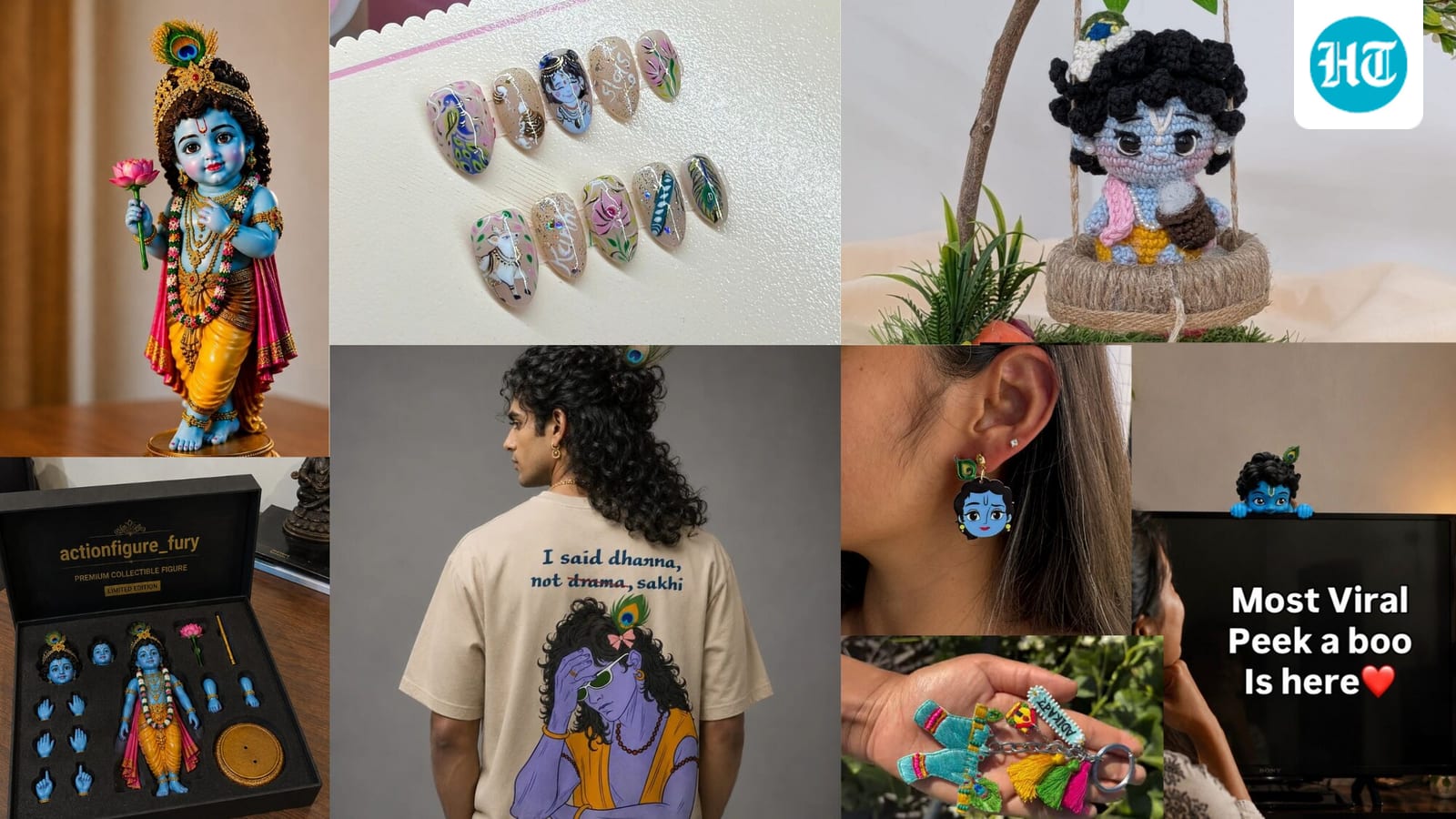
Janmashtami 2026 marks the 5,252nd birth anniversary of Lord Krishna, observed on September 4. This year, the festival sees a shift toward modern pop-culture merchandise like action figures and streetwear alongside traditional rituals.
The Evolution of Janmashtami: Tradition Meets Modernity in 2026
Janmashtami 2026, marking the 5,252nd birth anniversary of Lord Krishna, presents a fascinating intersection of ancient devotion and contemporary consumer culture. While the festival remains deeply rooted in spiritual traditions—characterized by midnight festivities, elaborate bhog offerings, and the observance of fasts—it is simultaneously undergoing a aesthetic transformation among India’s youth. The celebration, scheduled for September 4, 2026, serves as a bridge between the traditional 'Ashtami Tithi' rituals and a new wave of modern expression.
The Rise of Pop-Culture Devotion
For decades, Janmashtami celebrations were defined by the acquisition of static marble or clay idols. However, 2026 signals a departure from this norm. Young consumers are increasingly gravitating toward 'fun' god-themed merchandise, including streetwear, specialized nail art, and home décor that reflects a more personal, playful connection to the deity. This shift suggests that for the younger generation, faith is becoming an integrated part of their lifestyle and personal identity rather than a compartmentalized ritual.
Action Figures and the 'Superhero' Narrative
Perhaps the most striking trend in 2026 is the emergence of movable action figures of Lord Krishna. Brands like Actionfigure_fury have tapped into this market by framing Krishna through the lens of a superhero. By offering figures that can be assembled and posed, these brands are dismantling the rigid, static image of traditional iconography. This evolution allows devotees like graphic designer Karthik Ahuja to engage with the deity in a dynamic, tactile manner, effectively creating a new category of spiritual collectibles in the Indian market.
Cultural Implications of Aesthetic Shifts
This transition from purely traditional artifacts to pop-culture merchandise reflects broader societal trends. As digital natives come to the forefront of religious observance, the aesthetic language of faith is being updated to fit modern sensibilities. The integration of streetwear and customizable figurines indicates that the 'Kanha' persona—often associated with playfulness and heroism—is uniquely suited for this modern, merchandise-driven adaptation.
Balancing Ritual with Personal Expression
Despite these commercial innovations, the core of the festival remains unchanged. Millions of devotees continue to observe the strict requirements of the shubh muhurat and ashtami tithi, ensuring that the spiritual essence of the 5,252nd anniversary is preserved. The digital age has simply provided new mediums—such as WhatsApp and Facebook status updates—for devotees to share their faith, blending the ancient practice of communal celebration with the rapid connectivity of the 21st century.
Future Trends in Religious Merchandising
Looking ahead, the success of movable idols and niche apparel suggests a growing market for 'devotional lifestyle' products. As brands continue to innovate, we can expect to see further hybridization of religious iconography with modern design trends. This fusion serves to keep the narrative of Krishna relevant and accessible to a globalized, younger demographic, ensuring that the legacy of Janmashtami continues to evolve alongside the changing face of Indian culture.
Verification Required?