Students outnumbered by 'puncture banane wale' at Jantar Mantar protest: BJP neta
Source Entity
SIDDHI DHARMADHIKARI
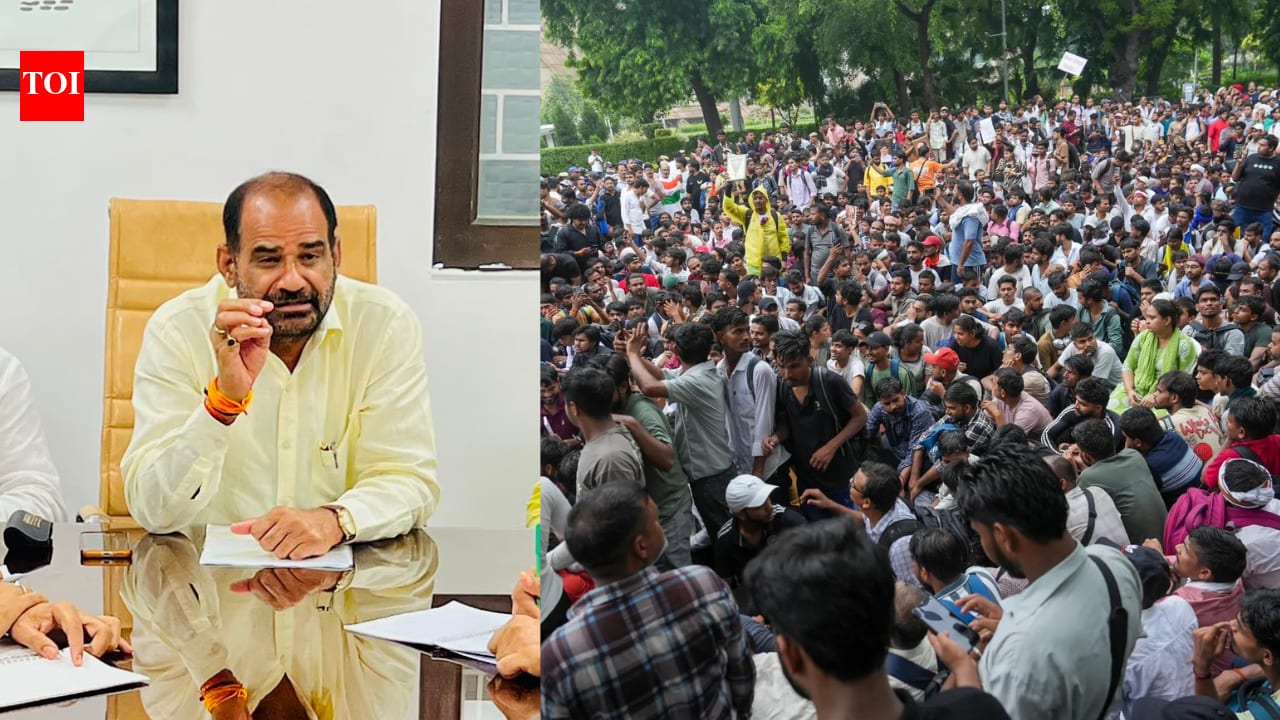
BJP leader Ramesh Bidhuri criticized a Jantar Mantar protest, alleging it was filled with non-students and marked by abusive rhetoric against the Prime Minister. PM Modi responded by expressing pain over insults to his late mother while urging a compassionate approach toward the youth involved.
Controversy Erupts Over Jantar Mantar Protest Rhetoric
A recent protest at Jantar Mantar has sparked a significant political firestorm, drawing sharp criticism from senior Bharatiya Janata Party (BJP) leadership. BJP leader Ramesh Bidhuri publicly alleged that the gathering, which was ostensibly organized by students, was actually populated by individuals from various trades—specifically mentioning locksmiths and puncture repairers—rather than the academic community. This claim serves as a broader critique of the authenticity of such demonstrations, suggesting that external actors or political entities may be orchestrating these events to create a facade of student-led grassroots activism.
Allegations of Political Manipulation
Beyond the demographic composition of the protesters, Bidhuri leveled serious accusations against opposition leaders. He argued that these figures have been systematically misleading the youth, drawing them into political friction points under the guise of student advocacy. By framing the protest as a manufactured event rather than a spontaneous expression of student concern, the BJP is attempting to delegitimize the protest's objectives and highlight the alleged opportunistic nature of the opposition's political strategy.
The Discourse of Abuse and Personal Attacks
At the heart of the controversy is the nature of the language used during the demonstration. Reports indicate that abusive rhetoric was directed toward Prime Minister Narendra Modi and his family. In a political culture where personal attacks have become increasingly prevalent, this incident highlights the growing toxicity in public discourse. The use of derogatory language against political figures, particularly when it extends to family members, has frequently become a flashpoint for national debate on the boundaries of civil protest.
Prime Minister Modi’s Response
Prime Minister Modi addressed the situation by expressing deep personal pain, specifically regarding the slurs directed at his late mother. This emotional response serves as a pivotal moment in the narrative, shifting the focus from the political protest itself to the ethics of political engagement. By choosing to voice his hurt, the Prime Minister has effectively highlighted the human cost of partisan vitriol, framing the incident not just as a policy disagreement, but as a moral failure of those participating in the abuse.
A Call for Compassion vs. Accountability
Despite the gravity of the insults, the Prime Minister’s reaction included a call to forgive the misguided youth involved in the protests. This stance suggests a nuanced strategy: balancing firm condemnation of the opposition's alleged manipulation with a paternalistic, conciliatory approach toward the participants. By calling for the youth to be guided rather than punished, the leadership aims to position itself as the moral authority, distancing the 'misled' protesters from the 'orchestrators' who are viewed as the primary culprits.
Broader Implications for Political Protest
This event underscores the volatile state of political protest in India’s capital. As Jantar Mantar remains a primary venue for dissent, the struggle over who constitutes a 'legitimate' protester and what constitutes 'acceptable' speech continues to intensify. The incident serves as a precursor to future trends in political communication, where the authenticity of participants and the decorum of language will likely remain central themes in how the government and opposition engage with one another in the public sphere.