2,000 teens for RSS chief Mohan Bhagwat’s Gen Z outreach after protests
Source Entity
Shubhangi Khapre
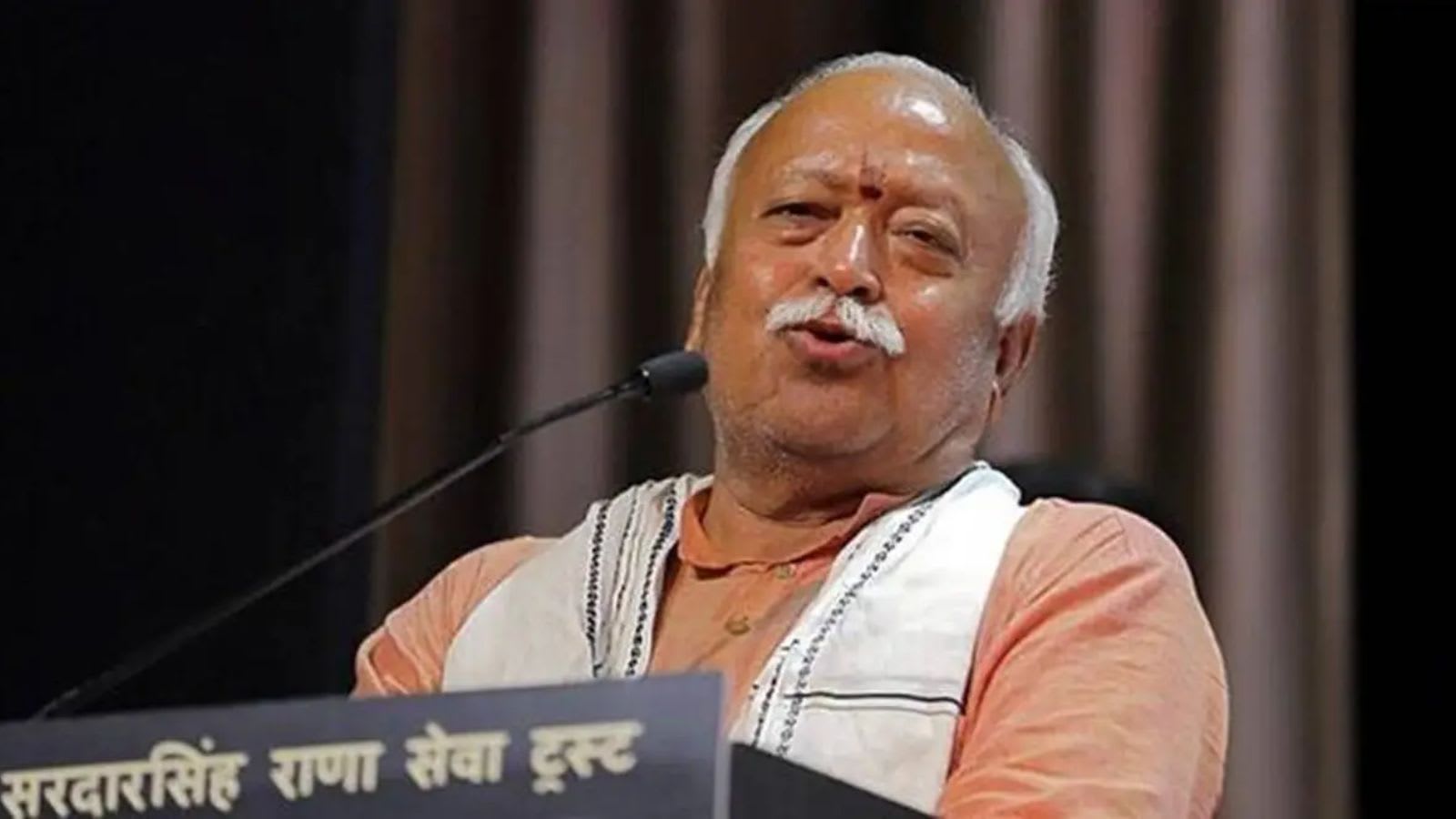
RSS chief Mohan Bhagwat is set to address 2,000 teenagers at a Mumbai youth conference. The event occurs amid national tension following student-led protests over examination paper leaks.
RSS Outreach Amid National Student Unrest
Rashtriya Swayamsevak Sangh (RSS) chief Mohan Bhagwat is scheduled to engage with approximately 2,000 teenagers at the I.I.M.U.N. Annual Championship Conference in Mumbai. This gathering, taking place at the Nita Mukesh Ambani Cultural Centre (NMACC) on August 6, serves as a significant platform for the organization to connect with the Gen Z demographic. The timing of this event is particularly notable as it occurs in the shadow of widespread student-led protests that have recently gripped the nation.
The Context of Student Protests
The backdrop for this interaction is defined by deep-seated frustration among India's youth, stemming from alleged examination paper leaks. These incidents have fueled significant unrest, ultimately contributing to the resignation of Union Education Minister Dharmendra Pradhan. By positioning himself before a large cohort of 15 to 19-year-olds during such a volatile period, Bhagwat is likely aiming to provide a stabilizing influence and directly address the concerns of a demographic that has become increasingly politically active and vocal regarding institutional integrity.
Scaling the Youth Engagement
The I.I.M.U.N. conference, which marks the organization's 15th anniversary, acts as a massive logistical conduit for this outreach. With participants arriving from more than 100 cities, the event provides the RSS with a diverse and geographically representative audience. This allows for a broad dissemination of the organization’s ideological perspective to a generation that is currently questioning the efficacy and fairness of national examination systems.
Strategic Importance of the NMACC Venue
The selection of the Nita Mukesh Ambani Cultural Centre as the venue underscores the significance of the event. By utilizing a high-profile, modern cultural hub, the RSS is effectively bridging traditional ideological outreach with contemporary settings favored by urban youth. This suggests a strategic effort to remain relevant in the lives of teenagers who are navigating the pressures of the modern education system and the anxieties associated with competitive testing.
Broader Implications and Future Trends
Looking ahead, this event signals a potential shift in how major organizations interact with the youth. As students continue to demand accountability in governance and administration, the ability of influential figures like Bhagwat to resonate with Gen Z will be a critical indicator of future social cohesion. If the RSS can successfully navigate the current climate of distrust by engaging directly with these students, it may alter the trajectory of youth participation in national discourse. Conversely, the event highlights how essential it is for public leaders to address the systemic challenges that triggered recent protests to regain the trust of the younger generation.