Supreme Court clarifies: States can withdraw cases against paper leak protesters
Source Entity
The Indian Express
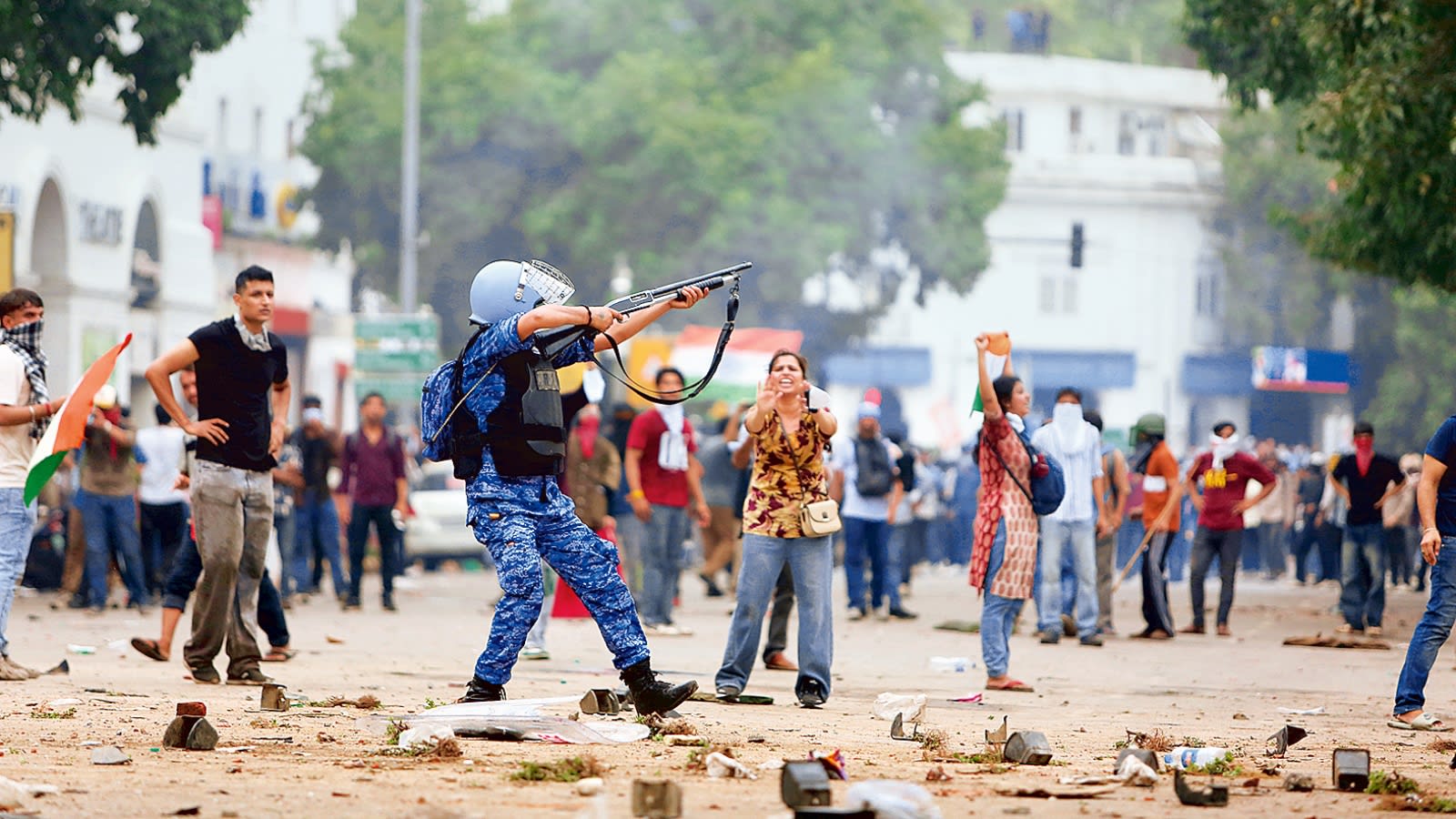
The Supreme Court has empowered state governments to withdraw FIRs against student protesters involved in paper leak demonstrations, excluding those with grave criminal records. Simultaneously, the Court is reviewing a petition to relocate protests from Jantar Mantar due to logistical and public safety concerns.
Supreme Court Directives on Student Protests and Venue Management
Relief for Student Protesters
In a significant legal development on August 3, 2026, the Supreme Court of India provided clarity regarding the status of FIRs registered against students who participated in protests against paper leaks. A three-judge bench, led by Chief Justice of India Surya Kant, affirmed that state governments and the NCT of Delhi possess the legal authority to close or withdraw these cases. This move serves as a balancing act between maintaining public order and protecting the academic futures of students who were driven to protest due to systemic exam irregularities.
Defining Criminal Antecedents
The Court’s directive includes a critical safeguard: the protection from coercive measures does not apply to individuals with "criminal antecedents." To prevent ambiguity, the bench clarified that this term specifically refers to "grave and heinous offences." By narrowing the scope of this exclusion, the judiciary ensures that students involved in peaceful dissent are not unfairly penalized, while simultaneously maintaining a firm stance against individuals who might use the cover of protest to engage in serious criminal activity.
Procedural Context and Judicial Restraint
This decision follows an interim order issued on July 28, 2026, which allowed authorities to continue investigations into the protests but explicitly prohibited coercive action against the students. The recent clarification reinforces the Court’s intent to allow state governments to exercise their discretion in withdrawing proceedings, provided they follow due process. This underscores a judicial preference for administrative resolution over punitive litigation in matters involving student grievances.
Addressing the Jantar Mantar Protest Site
Parallel to the issue of student protests, the Supreme Court has initiated a review of protest management in the national capital. The bench has requested the Union government, represented by Solicitor General Tushar Mehta, to evaluate a petition challenging the suitability of Jantar Mantar as a primary protest venue. The petition, filed by Satish Chand Kaushik, highlights critical infrastructure concerns, including sewage management, medical access, and ingress-egress difficulties caused by large demonstrations in the area.
Broader Implications for Public Assembly
The judicial inquiry into relocating protests to venues like Ramlila Maidan signals a potential shift in how the state manages democratic dissent. By questioning whether Jantar Mantar remains an appropriate site, the Court is acknowledging the complexities of urban planning in a capital city where the right to protest must coexist with public health and safety requirements. The outcome of this consultation between the government and the Court could fundamentally alter the landscape of public demonstrations in New Delhi, setting new standards for how the state balances constitutional rights with urban logistics.