Clear Dearness Allowance Dues Within 15 Days: Court Directs Punjab Government
Source Entity
NDTV News Search Records Found 1000
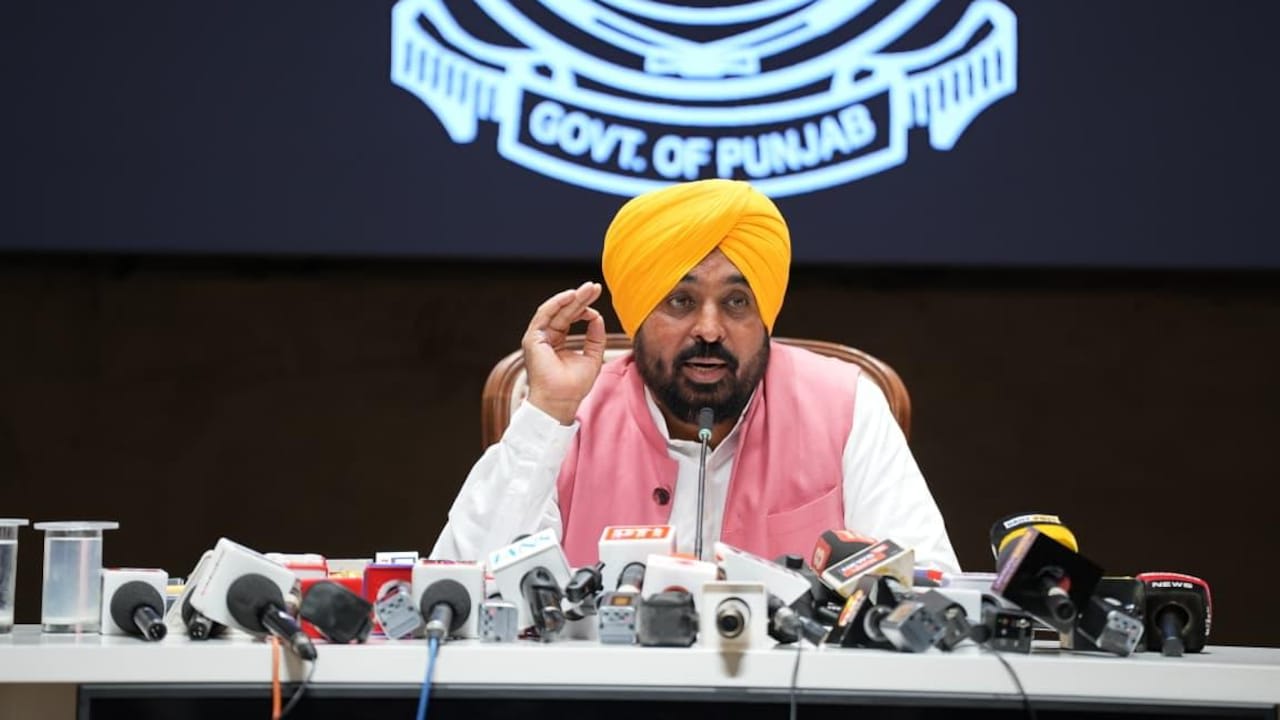
The Punjab and Haryana High Court has mandated the Punjab government to clear outstanding Dearness Allowance (DA) dues within 15 days. To ensure compliance, the court has placed a temporary freeze on the state's expenditure regarding public advertisements.
Judicial Intervention in Punjab's Financial Governance
The Punjab and Haryana High Court has issued a decisive mandate requiring the Punjab state government to settle outstanding Dearness Allowance (DA) dues within a strict 15-day window. This judicial intervention serves as a significant check on administrative fiscal priorities, highlighting the tension between state-sponsored publicity and the fulfillment of statutory obligations toward its workforce. By prioritizing salary-related arrears over discretionary spending, the court has reinforced the principle that employee welfare must take precedence over governmental image-building.
The Mechanics of the Financial Freeze
Central to the court’s order is the restriction imposed on the Punjab government’s ability to allocate funds toward advertisements. This measure acts as a strategic financial lever, effectively forcing the state administration to audit its budgetary allocations. By tethering the government's ability to promote its policies to the resolution of civil servant dues, the judiciary is utilizing a rare but potent mechanism to ensure that the government’s internal financial house is in order before it seeks public validation through media campaigns.
Impact on State Fiscal Management
This directive underscores the broader challenges of fiscal management facing Indian states, where balancing operational expenses like DA—which is indexed to inflation to protect the purchasing power of government employees—often clashes with political imperatives. The court’s intervention suggests a growing trend of judicial oversight in cases where state employees face delays in receiving essential benefits. It signals to the administration that budgetary constraints cannot be used as a shield to bypass mandatory payments to the public sector workforce.
Broader Implications for Governance
Beyond the immediate impact on the state budget, this ruling carries significant implications for political accountability. In an era where public perception is heavily influenced by state-funded media outreach, the court’s decision to curtail advertising expenditure forces the administration to reconsider the opportunity cost of its outreach efforts. It serves as a reminder that the legitimacy of a government is anchored in its ability to meet its foundational commitments to its employees, rather than its visibility in the public sphere.
Future Trends in Legal Oversight
Looking ahead, this case may set a precedent for similar disputes across other states. As inflation continues to impact cost-of-living adjustments, the judiciary may increasingly be called upon to enforce the timely disbursement of allowances. If governments continue to prioritize political messaging over employee compensation, we can expect more aggressive judicial interventions that utilize financial constraints to compel adherence to labor and administrative laws.
Conclusion
The court's directive is a clear assertion of the rights of government employees and a stern rebuke of fiscal mismanagement. By linking the cessation of advertisement spending to the payment of DA dues, the court has effectively prioritized institutional integrity over political optics. The coming 15 days will be a critical test for the Punjab government, as it must now demonstrate fiscal responsibility to satisfy the court's stringent timeline.
Verification Required?