Japan relaxes royal succession rules - but ban on female emperors remains
Source Entity
BBC News
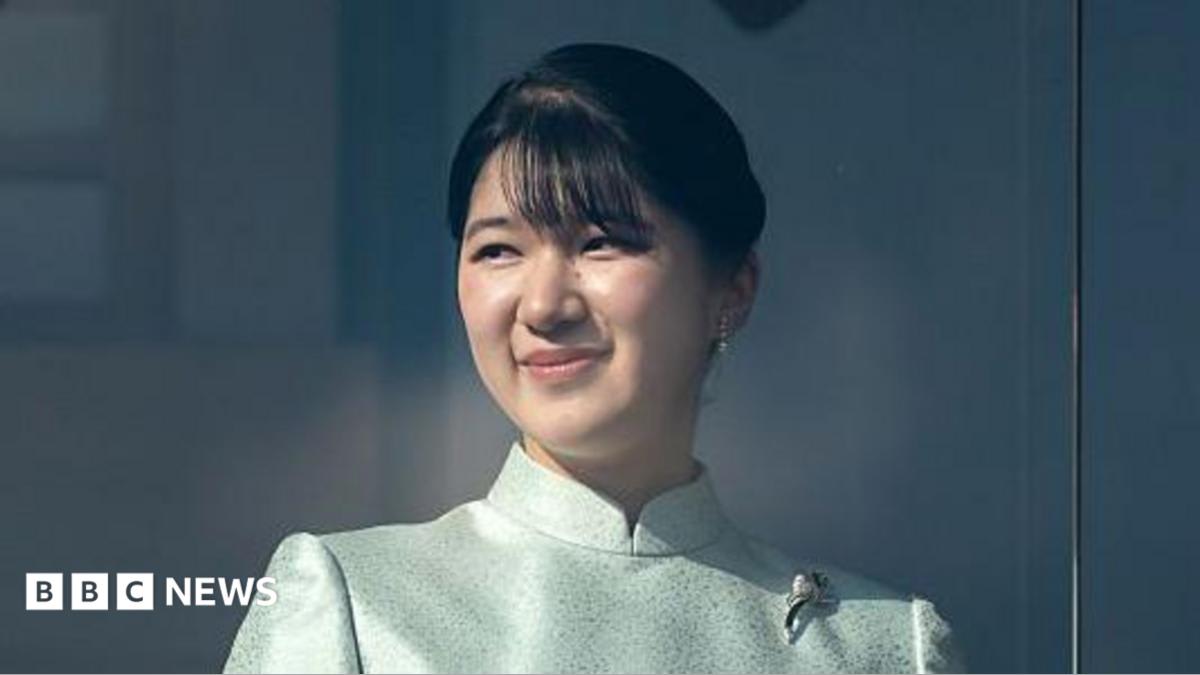
Japan has passed legislation to expand the imperial family by allowing the adoption of male relatives and enabling women to retain royal status after marriage. Despite these changes, the ban on female succession remains, keeping the throne reserved exclusively for male heirs.
Japan Modernizes Imperial Rules Amid Succession Crisis
The Japanese parliament has officially approved a significant legislative shift concerning the imperial succession, marking a critical attempt to address the shrinking size of the world’s oldest continuous hereditary monarchy. As the imperial family faces an existential threat due to a dwindling number of members, this bill provides a structural framework to stabilize the institution's ability to fulfill its public and ceremonial duties.
Expanding the Imperial Pool
Under the new provisions, the imperial family is authorized to adopt male descendants from eleven former imperial branches that were stripped of their royal status in the post-WWII era. By allowing these distant male relatives—who must be over the age of 15—to be brought back into the fold, the government hopes to ensure a pool of potential heirs and active family members. This move is a strategic attempt to maintain the visibility and functionality of the monarchy, which is increasingly burdened by a shortage of individuals capable of performing the rigorous schedule of court ceremonies and public appearances.
The Status of Female Royals
In a notable departure from historical precedents, the bill permits female members of the imperial family to retain their royal status even after marrying commoners. Previously, marriage to a non-royal forced these women to leave the imperial household, further depleting the family's ranks. This change ensures that female royals can continue to support the monarchy in official capacities, potentially alleviating the pressure on the current, smaller group of imperial representatives.
The Persisting Gender Barrier
Despite these adjustments, the legislation remains deeply conservative regarding the line of succession. The law explicitly bars women from ascending the throne, effectively bypassing Princess Aiko, the only child of the current Emperor. This omission persists despite widespread public support for a female monarch, highlighting a significant disconnect between the Japanese populace and the traditionalist factions within the parliament who prioritize the 'male-only' lineage.
Historical Context and Future Implications
Japan’s imperial lineage, which stretches back across centuries of myth and history, now faces a modern demographic dilemma. By refusing to amend the succession laws to allow female heirs, the government has essentially deferred a long-term solution to the succession crisis. While the current bill addresses immediate staffing shortages for royal duties, it fails to provide a permanent remedy for the scarcity of male successors, potentially leading to further legislative debates as the current generation of royals ages.
Conclusion
The passage of this bill is a half-measure that prioritizes traditional continuity over modern reforms. By maintaining the male-only succession rule, the government has ensured that the debate over the future of the Chrysanthemum Throne will remain a focal point of Japanese political life for years to come, as the pressure to modernize the institution continues to mount against the weight of ancient tradition.