US founder gives up Bentley for Tesla, reveals plans to buy 10 for employees: 'Most important video I've ever posted'
Source Entity
Latest News: Todays Latest News Headlines from India & World | Hindustan Times | Hindustan Times
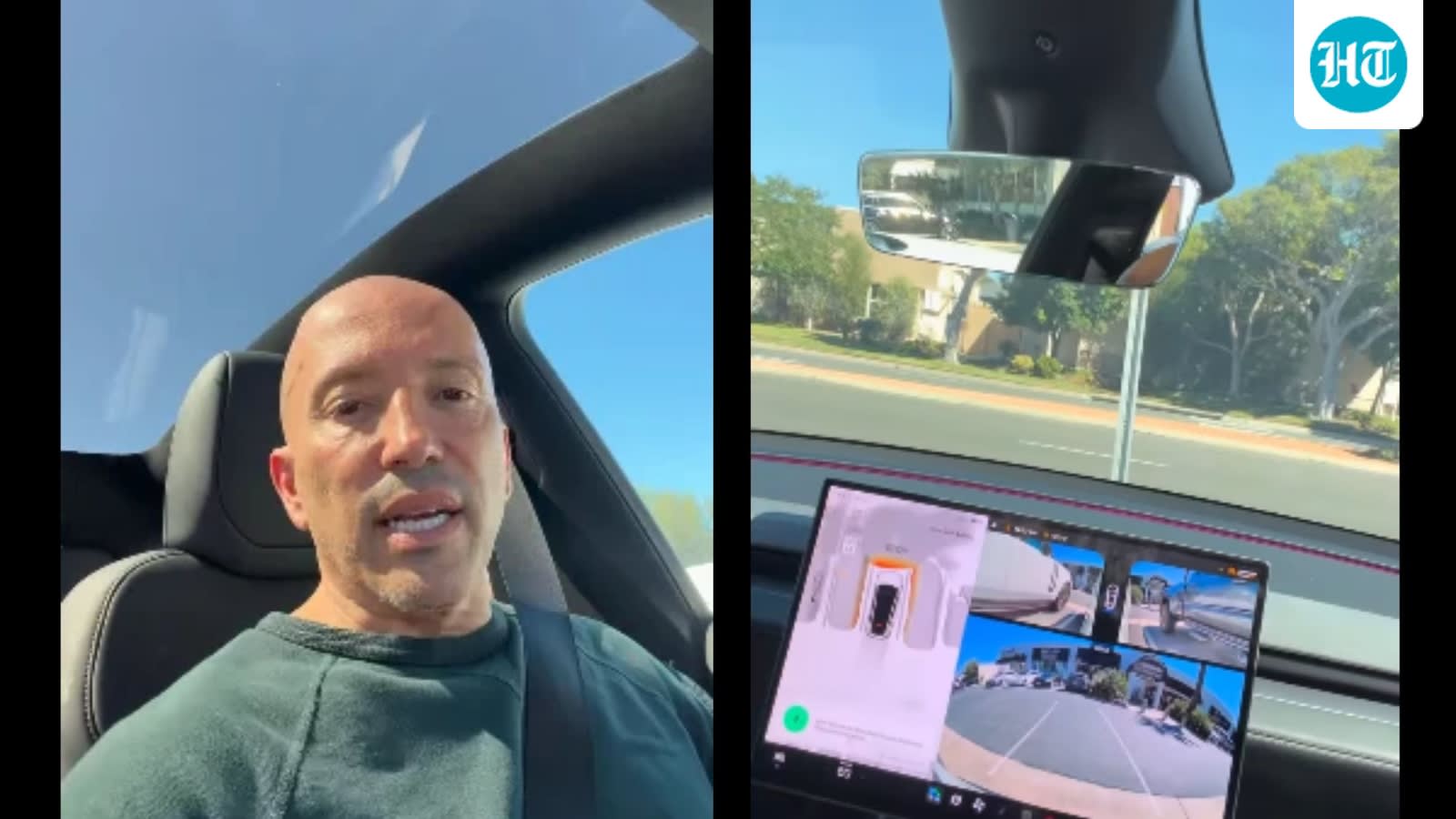
Jason Oppenheim has transitioned from a luxury Bentley to a Tesla, citing the efficiency of Full Self-Driving (FSD) technology. He intends to purchase 10 FSD-equipped Teslas for his employees to streamline their commutes.
The Shift from Luxury to Autonomous Efficiency
Jason Oppenheim, founder of the renowned Oppenheim Group, has recently made a high-profile transition in his personal transportation, trading his luxury Bentley for a Tesla. This move signifies a broader cultural shift among high-net-worth individuals who are increasingly prioritizing technological utility and autonomous capabilities over traditional luxury status symbols. By publicly documenting this transition, Oppenheim highlights the growing integration of advanced driver-assistance systems into the daily workflows of busy professionals.
The Strategic Role of Full Self-Driving (FSD)
At the core of this decision is Tesla’s Full Self-Driving (FSD) capability. Oppenheim’s endorsement of the technology, which he described as "so safe," stems from his practical experience traveling between Newport Beach and his Los Angeles office. By utilizing FSD for this commute—a trip typically lasting over an hour—Oppenheim is effectively reclaiming time that would otherwise be spent behind the wheel. This shift underscores a growing trend where the vehicle is viewed less as a driving machine and more as a mobile workspace.
Corporate Culture and Employee Incentives
Beyond his personal preference, Oppenheim has announced plans to purchase 10 FSD-equipped Teslas for his staff. This initiative serves as a significant corporate incentive that aligns employee productivity with modern transit solutions. By providing vehicles that can navigate themselves, the Oppenheim Group is signaling a commitment to reducing the stress of urban commuting for its team, potentially setting a new standard for employee benefits in the high-pressure real estate industry.
Implications for the Luxury Automotive Market
Oppenheim’s decision to gift his Bentley to his father, stating he has "no need" for it, reflects a changing perception of value in the automotive sector. While brands like Bentley have long dominated the luxury market, the rise of software-defined vehicles is challenging traditional automotive hierarchies. As autonomous features become more sophisticated, the premium placed on manual performance is increasingly being rivaled by the premium placed on autonomous convenience.
Future Trends in Autonomous Commuting
As executives like Oppenheim normalize the use of FSD for daily business operations, we can expect to see an increase in the adoption of autonomous vehicle technology within corporate environments. The ability for a vehicle to drive to an office and park itself without human intervention represents a significant leap in efficiency. If this trend continues, the future of corporate logistics may lean heavily toward fleets that prioritize autonomous transport over traditional executive vehicle ownership.
Conclusion
Jason Oppenheim’s pivot toward Tesla represents a confluence of luxury, technology, and practical productivity. By integrating FSD into his firm’s culture, he is not only adopting a new mode of transportation but is also championing a future where the commute becomes a productive segment of the workday. This development marks a noteworthy milestone in the ongoing evolution of how leaders move through their professional lives in the 21st century.
Verification Required?