World News Today Live Updates: US VP Vance says would not ‘call it a war’ with Iran, on categorising hostilities
Source Entity
The Indian Express
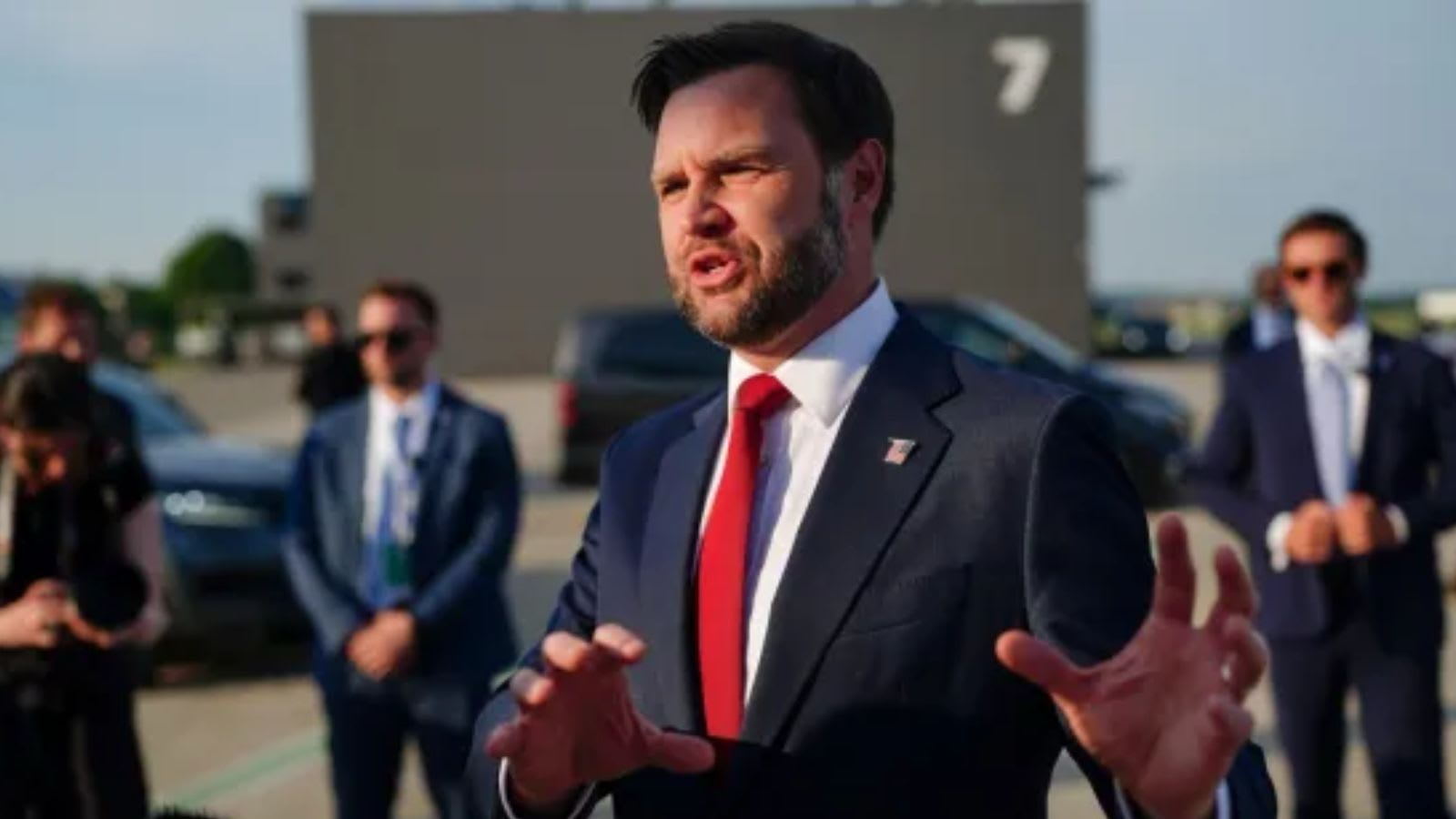
US Vice President JD Vance has stated he does not categorize the ongoing conflict with Iran as a 'war,' citing a lack of active shooting. This rhetoric signals a potential shift in the Trump administration's strategy to downplay the conflict ahead of the November midterm elections.
The Semantics of Conflict: Analyzing the US Stance on Iran
Redefining the Iran Conflict
US Vice President JD Vance has sparked significant political and diplomatic discourse by explicitly stating that he does not categorize the ongoing hostilities with Iran as a "war." Despite six months of intermittent clashes, Vance’s assertion rests on the premise that there is currently "no active shooting." This tactical shift in terminology reflects a broader effort within the Trump administration to reframe the nature of the engagement that began following the onset of the US-Israel war on February 28, 2026.
Historical Context and Combat Timelines
To understand the administration's current positioning, one must look back at the initial phase of the conflict. Vance noted that major combat operations were limited to a six-week window following the February inception of the hostilities. By distinguishing between the initial high-intensity kinetic operations and the subsequent period of sporadic "flare-ups," the White House is attempting to distance its current foreign policy narrative from the traditional definition of a sustained, large-scale war.
Strategic Implications of Rhetoric
This rhetorical pivot appears to be a calculated maneuver as the United States approaches the November midterm elections. By downplaying the severity of the conflict and framing it as a contained situation rather than an ongoing war, the administration is likely attempting to mitigate domestic political fallout. The goal is to project a sense of stability and closure, suggesting that the most volatile phase of the conflict is behind the nation.
Navigating Domestic and International Perception
While the administration maintains that the conflict is effectively winding down, the reality on the ground remains complex. The acknowledgment of "places where this has flared up" suggests an ongoing state of tension that defies simple categorization. This creates a delicate balancing act: maintaining a credible deterrent against Tehran while simultaneously convincing the American electorate that the administration has successfully managed, or ended, the conflict.
Future Trends and Political Fallout
As the midterm elections draw near, the administration's insistence that the conflict is not a "war" will likely face intense scrutiny from both political opponents and international observers. If the sporadic clashes continue or escalate, the discrepancy between the administration's narrative and the reality of the situation could become a focal point of campaign debates. The long-term impact of this stance will depend on whether the administration can maintain this "no active shooting" status quo through the end of the year.
Conclusive Summary
In summary, Vice President Vance’s recent comments indicate a strategic attempt to de-escalate the political perception of the Iran conflict. By narrowing the definition of the war to the initial six-week combat period and dismissing current hostilities as minor, the White House is positioning itself to navigate the upcoming election cycle with a narrative of conflict resolution rather than perpetual entanglement.