South Korea Preparing To Deploy Troops In Strait Of Hormuz: Report
Source Entity
NDTV News Search Records Found 1000
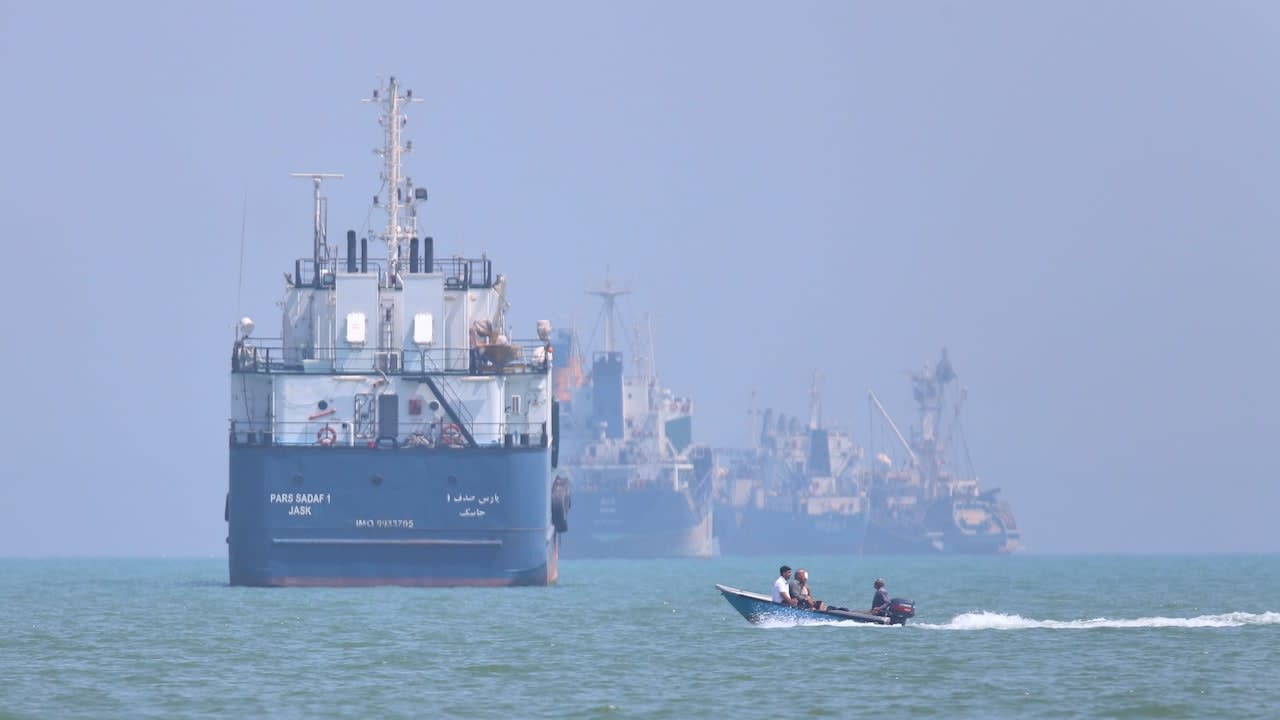
South Korea is preparing to deploy military assets to the Strait of Hormuz to safeguard freedom of navigation. This move aligns the nation with international maritime security efforts in a critical global shipping corridor.
South Korea's Strategic Shift in the Strait of Hormuz
South Korea’s reported decision to deploy military assets to the Strait of Hormuz marks a significant recalibration of its foreign policy and maritime strategy. By committing to support freedom of navigation in this vital waterway, Seoul is signaling its intent to play a more active role in protecting global trade routes that are essential to its national economy.
The Strategic Importance of the Strait
The Strait of Hormuz serves as a critical artery for global energy supplies, with a vast percentage of the world's oil transiting through its narrow passage daily. For a country like South Korea, which is heavily reliant on energy imports, the stability of this region is not merely a diplomatic concern but a fundamental matter of national security and economic survival.
Balancing Diplomatic Alliances
This deployment reflects the delicate balancing act South Korea must perform between its strategic alliance with the United States and its nuanced diplomatic relations with regional powers. By framing the deployment around the international principle of 'freedom of navigation,' Seoul seeks to justify its presence as a contribution to global security rather than an alignment with any specific unilateral agenda.
Operational Implications
The introduction of South Korean military assets into the region suggests a move toward a more expeditionary naval posture. While the specific nature of these assets—whether they involve specialized naval vessels or surveillance capabilities—remains to be fully detailed, the move indicates a shift toward a 'blue water' naval strategy capable of safeguarding maritime interests far from the Korean Peninsula.
Future Trends and Regional Stability
Looking ahead, this deployment may serve as a template for how South Korea engages with international security coalitions in the future. As maritime threats evolve, the ability to project power and maintain presence in key choke points will likely become a cornerstone of Seoul's defense policy. This move also highlights the increasing trend of middle powers taking a more assertive role in maintaining the rules-based international maritime order.
Verification Required?