‘Very’ strong El Nino emerging, to last till Feb 2027: WMO
Source Entity
The Indian Express
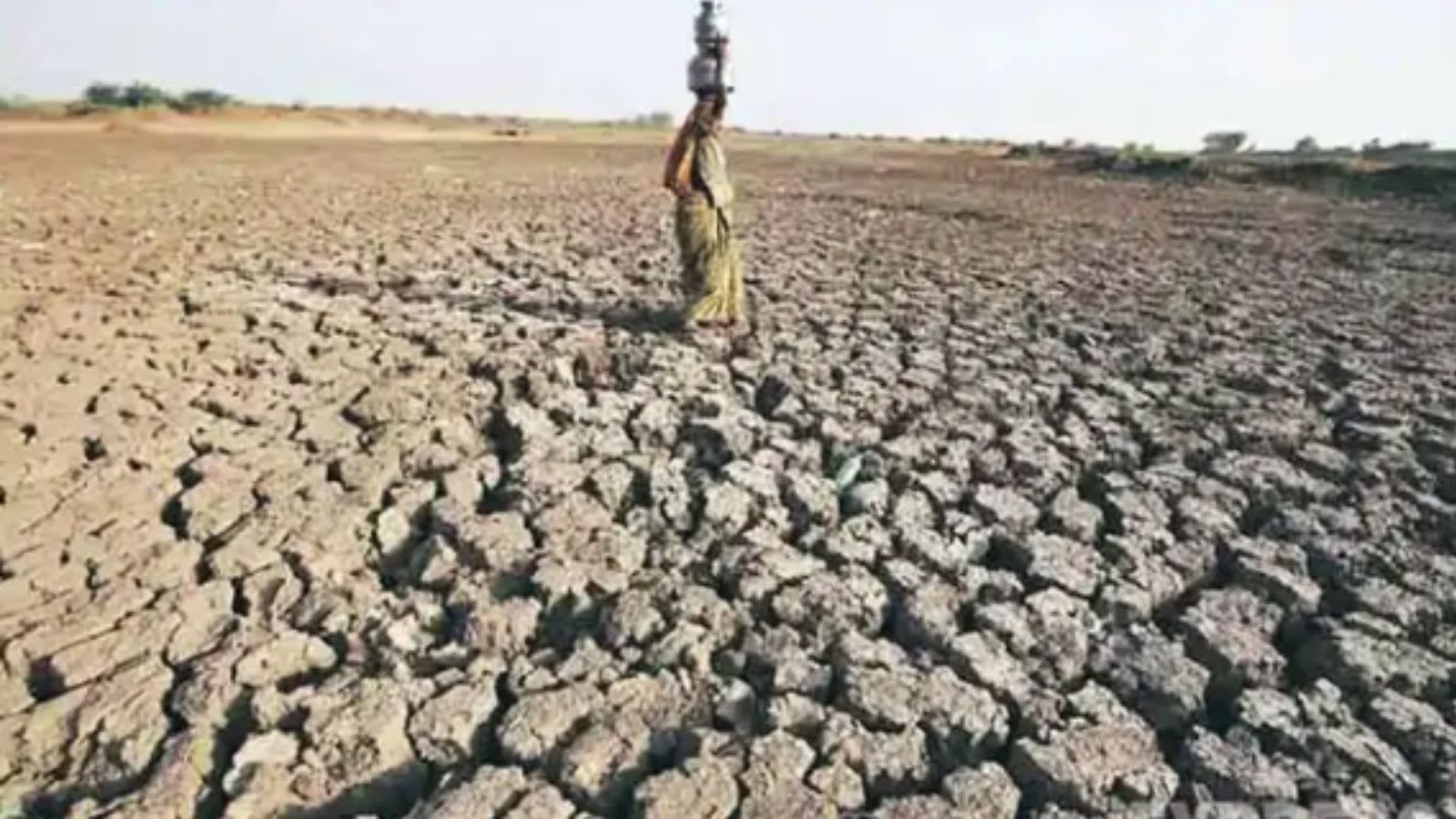
The UN and WMO have warned of a 'supersized' El Niño event expected to persist until February 2027. This phenomenon poses significant risks to global economies, food security, and climate stability through extreme weather patterns.
The Emergence of a 'Supersized' El Niño
The United Nations and the World Meteorological Organization (WMO) have issued a stark warning regarding the onset of a "supersized" El Niño, a natural weather phenomenon currently entering a critical phase. UN Secretary-General António Guterres has characterized this period as a "danger zone of extreme weather," noting that the planet is currently navigating "uncharted waters" as atmospheric and oceanic temperatures rise. This event is projected to be the strongest observed in over 70 years, with current modeling indicating its effects will persist at least until February 2027.
Meteorological Implications and Global Reach
El Niño functions by altering global weather patterns, creating a dual-threat environment: some regions face devastating droughts while others are subjected to intensified typhoons and catastrophic flooding. The WMO, led by Secretary-General Celeste Saulo, has emphasized that this event is not merely a localized weather fluctuation but a global catalyst for disruption. The phenomenon is expected to compound the existing challenges of human-induced climate change, further boosting global temperatures and creating unpredictable meteorological conditions across diverse continents.
Economic Vulnerabilities and Commodity Markets
The potential for economic fallout is immense, as the intensity of this El Niño threatens to deliver a "massive blow" to global trade and infrastructure. Countries in the Asia-Pacific and Latin American regions are identified as being at the highest risk for immediate, severe impacts. Beyond local disaster management, the global economy faces supply chain volatility. Commodity markets, specifically those tied to agricultural products such as corn, cocoa, and coffee, alongside energy sectors, are expected to experience significant price fluctuations due to the anticipated disruption of production cycles.
Regional Impact: The Case of India
While international agencies monitor the global scope, regional experts are beginning to assess specific environmental shifts. In India, for instance, meteorologists are closely observing how this intensifying El Niño may influence seasonal weather. There is a strong suggestion that the phenomenon could keep winter temperatures higher than average, potentially keeping the cold at bay during the upcoming winter season. This highlights the varied nature of El Niño’s impact, which shifts from heat-related drought in some areas to altered seasonal cycles in others.
The Path Forward: Mitigation and Adaptation
As the world prepares for the duration of this event until 2027, the focus is shifting toward the resilience of communities and the preparedness of national economies. The UN's warning serves as a call for urgent climate monitoring and adaptation strategies. Because this "supersized" event is occurring atop a foundation of rising global heat, the margin for error in disaster response is narrowing. Governments are now tasked with managing the immediate threats of flood and drought while simultaneously preparing for long-term economic instability that may result from a multi-year climate anomaly.