Ukraine war: Deadlock in US over Russia sanctions bill
Source Entity
Latest News: Todays Latest News Headlines from India & World | Hindustan Times | Hindustan Times
A legislative impasse in Washington persists over the 'Sanctioning Russia Act,' which seeks to impose heavy tariffs on nations importing Russian energy. Congressman Gregory Meeks remains a key opponent, citing concerns over the bill's expansion of presidential tariff authority.
The Legislative Standoff in Washington
The ongoing legislative deadlock in the U.S. House of Representatives regarding the 'Sanctioning Russia Act' highlights a significant friction point in American foreign policy. At the heart of this confrontation is a legislative proposal that threatens to impose tariffs of up to 100% on India and four other nations that continue to procure Russian energy. Despite aggressive lobbying efforts by Ukraine, which views these sanctions as a critical tool for crippling the Russian war machine, the bill has failed to gain the necessary momentum to move forward.
The Role of Executive Authority
A primary factor fueling this impasse is the concern regarding the balance of power between the Legislative and Executive branches. Influential Congressman Gregory Meeks has emerged as a central figure in this opposition, arguing that the current iteration of the bill grants excessive tariff authority to President Donald Trump. This constitutional concern transcends the immediate geopolitical necessity of the sanctions, reflecting a broader, long-standing debate in Washington regarding how much discretionary power Congress should delegate to the President concerning international trade and sanctions enforcement.
The Shadow Fleet and Global Enforcement
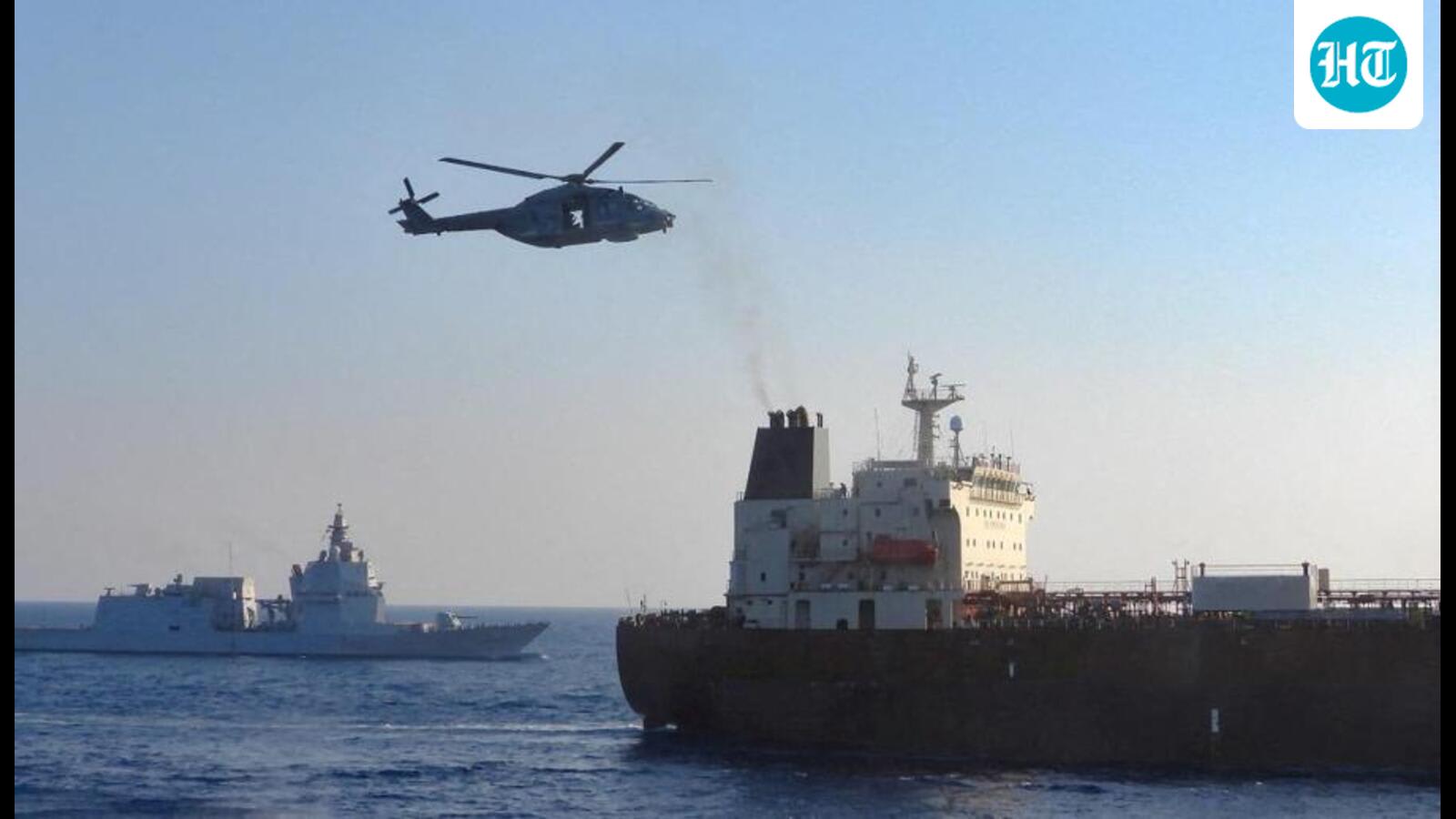
The geopolitical context of this legislation is further complicated by the reality of Russia's 'shadow fleet.' Recent reports, such as the inspection of the oil tanker Toa Payoh near the island of Pantelleria, illustrate the difficulty of enforcing energy sanctions. The Italian Navy, operating under a European Union mission, intercepted the vessel, which was operating under a Cameroon flag to circumvent monitoring. This highlights the sophisticated methods Russia employs to maintain its energy exports despite international pressure.
Implications for India and Global Energy Markets
For India, the proposed 'Sanctioning Russia Act' carries significant economic implications. By threatening a 100% tariff on energy imports, the bill seeks to force a decoupling between major emerging economies and the Russian energy sector. However, this hardline approach risks alienating key international partners and complicating diplomatic relations. The deadlock in the House of Representatives suggests that there is no consensus on whether such aggressive measures are the most effective way to address the conflict in Ukraine without triggering wider economic instability.
Future Trends and Diplomatic Challenges
As the political tug-of-war continues, the future of the bill remains uncertain. The intense lobbying by Ukraine underscores the urgency felt by those seeking to tighten the net around the Russian economy, yet the domestic resistance led by figures like Congressman Meeks reflects a cautious approach to trade policy. Moving forward, the U.S. will need to navigate the fine line between exerting pressure on Russia through secondary sanctions and maintaining the diplomatic flexibility required to manage its relationships with countries like India and European allies who are equally focused on their own energy security.
Verification Required?