At JD(U) MLC poll review, the twin challenges: BJP friction, internal power tussle
Source Entity
Santosh Singh
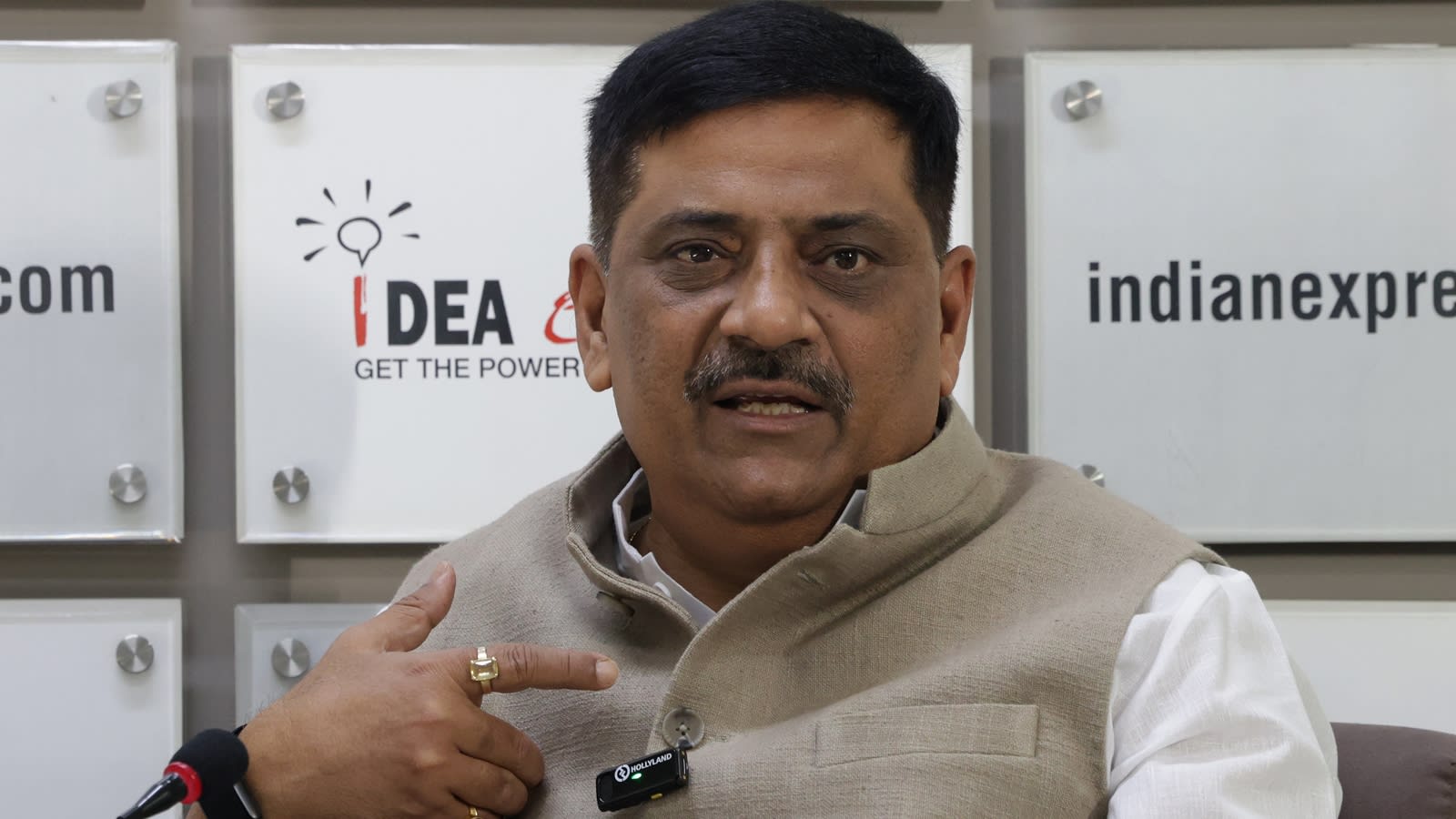
The JD(U) is facing internal and coalition strain following poor Legislative Council poll results and ambitions to expand into Uttar Pradesh. This has triggered friction with BJP allies in Bihar and potential territorial conflicts with NDA partners in Uttar Pradesh.
Internal Crisis and Coalition Friction within the NDA
The Janata Dal (United) (JD(U)) is currently navigating a period of significant political instability following a disappointing performance in the recent Legislative Council (MLC) polls. Having lost three of the four council seats it contested, the party is now grappling with the fallout, which has manifested as a growing rift between the JD(U) and its National Democratic Alliance (NDA) partner, the Bharatiya Janata Party (BJP). The loss has prompted a high-level review meeting scheduled for Thursday, involving key figures such as national working president Sanjay Kumar Jha and Deputy CMs Bijendra Prasad Yadav and Vijay Kumar Choudhary.
The Blame Game and Internal Power Dynamics
The immediate aftermath of the election results has seen the JD(U) leadership shifting the blame for the defeat toward the BJP, suggesting a breakdown in coordination or loyalty within the alliance. The presence of newly elected independent MLCs, such as Bansidhar Brajwasi and Rahul Raj, adds a layer of complexity to the party's internal power tussle. As the party leadership gathers to dissect these losses, the core challenge remains whether they can maintain a unified front or if the internal frustration will lead to a more permanent fracture within the state-level coalition.
Expansionist Ambitions and Territorial Disputes
Compounding these domestic issues is the JD(U)’s strategic decision to look beyond Bihar, specifically toward Uttar Pradesh, ahead of the upcoming Assembly elections. This expansionist move is mirrored by fellow NDA ally Lok Janshakti (Ram Vilas), led by Union Minister Chirag Paswan, who is set to launch a campaign in Varanasi. The intent to establish a presence in Uttar Pradesh by these Bihar-based parties has not been met with enthusiasm by existing NDA partners in that state.
The Response from Uttar Pradesh Allies
The Suheldev Bharatiya Samaj Party (SBSP), led by Om Prakash Rajbhar, has already issued a stern warning against the encroachment of Bihar-based allies into their political turf. The sentiment, captured by the phrase "Will not allow Bihar’s entry into UP," underscores the fragile nature of coalition politics when regional ambitions collide. The impending visit of Bihar Health Minister Nishant Kumar to Uttar Pradesh to address party workers further elevates these tensions, signaling a potential multi-front conflict for the national NDA leadership to manage.
Broader Implications and Future Trends
These developments signify a critical juncture for the NDA. The friction between the JD(U) and the BJP in Bihar, coupled with the resistance from local allies in Uttar Pradesh, suggests that the alliance is struggling to reconcile the regional aspirations of its various partners. If the JD(U) continues to face electoral setbacks in its home state while simultaneously attempting to branch out into new territories, it risks alienating its primary partners and weakening its bargaining power. Moving forward, the success of the NDA will depend heavily on the party's ability to resolve internal grievances and establish a cohesive strategy that avoids cannibalizing the influence of its own allies.