From Duckback raincoats to the 2005 deluge: Author Jerry Pinto’s love letter to Mumbai’s monsoon
Source Entity
Jerry Pinto
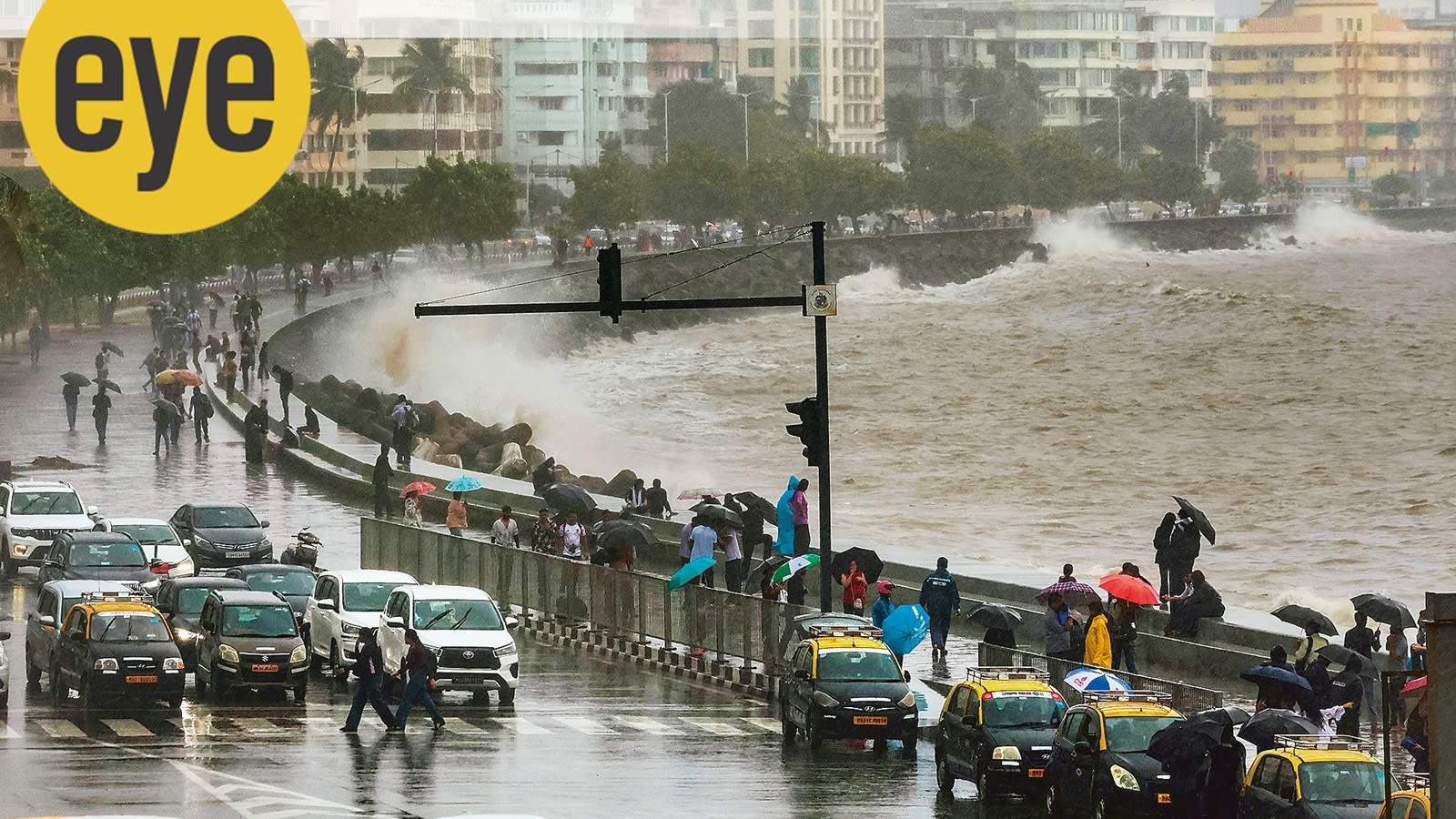
Author Jerry Pinto reflects on the profound impact of Mumbai's monsoon through the personal anecdote of painter Mehlli Gobhai. The narrative captures how the city's unpredictable weather has historically disrupted even the most carefully planned international travel.
The Monsoon as a Protagonist: An Analysis of Jerry Pinto’s Reflection
Jerry Pinto’s recent reflection on the monsoon serves as a poignant reminder of how weather in Mumbai is not merely a meteorological event, but a cultural and logistical force that dictates the rhythm of daily life. By framing the monsoon as a 'melodrama,' Pinto highlights the dramatic transformation of the city—a shift from the 'gold and grit' of urban existence to a muted palette of 'grey and moss.' This atmospheric shift is a recurring theme in Mumbai’s literature, reflecting the city’s complex relationship with the annual rains.
The Intersection of Art and Climate
The anecdote concerning the painter Mehlli Gobhai provides a unique lens through which to view this relationship. In 1980, Gobhai was slated for a prestigious group show at the Bronx Museum of the Arts. Despite the global significance of such an event, Gobhai’s hesitation to leave Mumbai—driven by a desire to witness the monsoon—underscores the deep, almost spiritual tether between the city's inhabitants and its seasonal weather patterns. It illustrates that for many, the 'melodrama' of the rain is an essential component of the Mumbai experience that transcends professional ambition.
Logistics vs. The Elements
Gobhai’s attempt to reconcile his international commitments with his local attachments mirrors a broader struggle faced by Mumbaikars: the tension between participating in a globalized, fast-paced economy and the inevitable unpredictability of the monsoon. His belief that he could 'beat' the system, much like billionaires negotiating international deals, was swiftly corrected by the monsoon’s interference. This event highlights the humbling reality that despite modern advancements in aviation and telecommunications, the monsoon maintains its status as an uncontrollable variable in regional logistics.
Historical Precedent and Cultural Memory
Pinto’s account serves as a historical marker, connecting the 1980 experience to the later, more catastrophic events such as the 2005 deluge. By situating the narrative within this context, the text emphasizes that the disruptive potential of the rains is not a modern anomaly but a historical constant. The monsoon functions as a great equalizer, impacting the lives of artists and everyday citizens alike, forcing a collective pause in the city’s relentless pace.
Future Implications and Conclusion
As climate patterns become increasingly volatile, the 'love letter' to the monsoon takes on a more complex meaning. It is a tribute to a force that defines identity while simultaneously posing significant infrastructure challenges. Future trends suggest that Mumbai will continue to grapple with the dual nature of these rains—as a source of cultural inspiration and as a logistical hurdle. Ultimately, Pinto’s narrative reminds us that in Mumbai, the weather is not just background noise; it is an active participant in the city's ongoing story.