Jharkhand Assembly’s special session starts; Finance Minister moves resolution against SIR
Source Entity
India Latest News: Top National Headlines Today & Breaking News | The Hindu
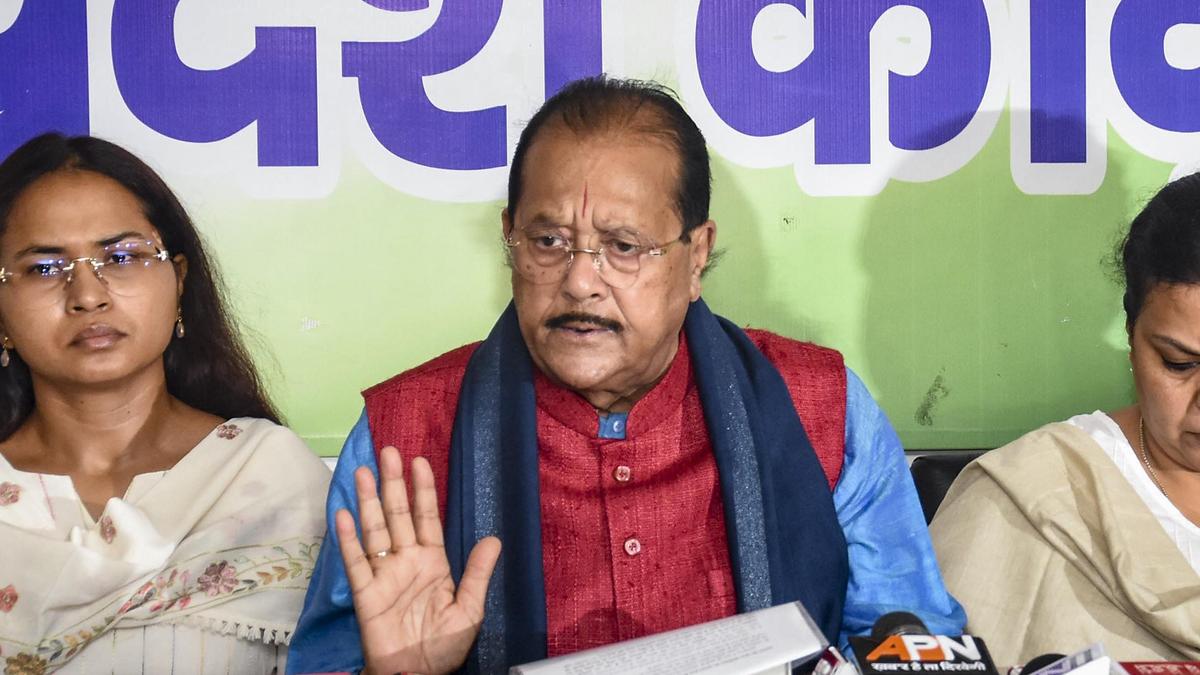
The Jharkhand Assembly held a two-day special session to pass a resolution against the ongoing Special Intensive Revision (SIR) of electoral rolls. Finance Minister Radha Krishna Kishore cited procedural complexities and mass flagging of voters as primary reasons for the government's opposition to the process.
Jharkhand Assembly Challenges Electoral Revision Process
On November 25, 2026, the Jharkhand Assembly convened for a high-stakes two-day special session, primarily focused on addressing grievances surrounding the ongoing Special Intensive Revision (SIR) of electoral rolls. Finance Minister Radha Krishna Kishore initiated the session by moving a formal resolution to halt the revision process, citing significant procedural flaws and technical difficulties that have reportedly hindered the democratic participation of the state’s electorate.
The Controversy Over Voter Verification
The core of the state government’s contention lies in the implementation of the SIR. According to Minister Kishore, the scale of the scrutiny has been disproportionate and disruptive, noting that out of the state's 2.21 crore registered voters, approximately 27 percent were flagged as 'suspicious' and subsequently issued notices. This mass issuance of notices has sparked an intense political debate, with the state government arguing that the complexity of the current system creates unnecessary barriers for genuine voters, effectively disenfranchising a large segment of the population.
Confronting Centralized Oversight
During the session, the political discourse intensified as the state government accused the Election Commission of India (ECI) of acting as a 'puppet' for the Central government. This rhetoric highlights the ongoing friction between state-level administrative priorities and central directives. By moving this resolution, the Jharkhand government is positioning itself as a defender of electoral integrity, challenging the methods used by the ECI to verify the voter list, which they claim are politically motivated rather than purely administrative.
Broader Legislative Concerns
Beyond the electoral rolls, the special session was also tasked with deliberating on the amended mines law that was passed in the national Parliament this past August. The combination of these two topics—electoral integrity and natural resource governance—underscores a period of legislative tension in Jharkhand. The debate regarding the mines law reflects the state's ongoing struggle to balance its rights over its mineral-rich territory with the legislative framework imposed by the Union government.
Political Polarization and Future Outlook
Predictably, the session saw sharp exchanges between the ruling coalition and the opposition, who labeled the special session as 'politically motivated.' Despite this opposition, the assembly successfully passed the resolution against the SIR via a voice vote. This move signals a significant escalation in the state's defiance against federal electoral procedures. As the situation evolves, the resolution serves as a formal declaration of the state's intent to seek a restructuring of the voter revision process, setting the stage for potential legal and constitutional challenges regarding the limits of state versus central authority in managing electoral rolls.
Verification Required?