Woman says Al Fayed's brother drugged and sexually abused her at Highland estate
Source Entity
BBC News
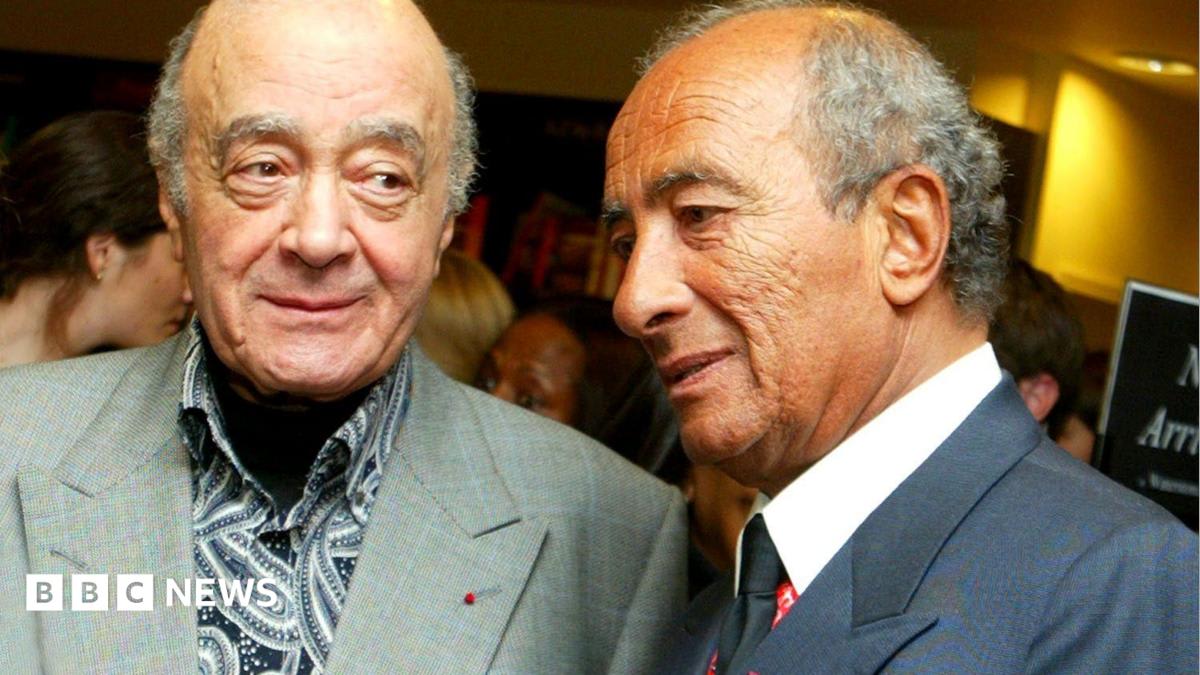
A woman has accused the late Salah Fayed of drugging and sexually abusing her at the family's Balnagown estate. This allegation emerges amidst a broader wave of hundreds of claims against the Fayed family following recent documentaries.
Allegations Against the Fayed Family: A Pattern of Systemic Abuse
The Balnagown Estate Allegations
A woman identified only as 'Jill' has come forward with harrowing allegations against Salah Fayed, the brother of the late businessman Mohamed Al Fayed. Jill claims that she was flown to the family's private Balnagown estate in the Scottish Highlands, where she was subjected to repeated sexual assault and drugging. Her testimony highlights the isolation and vulnerability often associated with such private, high-security estates, where survivors are frequently cut off from external support systems, making escape both physically and psychologically daunting.
Contextualizing the Fayed Legacy
To understand the gravity of these claims, one must look at the historical influence of the Fayed brothers. Salah Fayed was a prominent figure in the family's business empire, notably participating in the 1985 acquisition of Harrods, the iconic Knightsbridge department store. This purchase cemented the brothers' status within the British elite and international business circles. The current allegations suggest that this immense wealth and influence were leveraged to facilitate a culture of abuse, shielding the perpetrators from public scrutiny for decades.
The Ripple Effect of the 'Predator at Harrods' Documentary
The recent surge in allegations is largely tied to the 2024 BBC documentary, Predator at Harrods, which initially focused on Mohamed Al Fayed’s predatory behavior. Since the release of that investigation, the scope of the crisis has expanded exponentially. More than 400 individuals—comprising both alleged victims and witnesses—have since come forward to legal counsel. This massive influx of testimony indicates that the misconduct was not an isolated incident but appeared to be a systemic issue spanning multiple members of the Fayed family and their various business and private interests.
The Difficulty of Speaking Out
Jill’s account provides critical insight into the survivor experience, noting that she only began to fully comprehend the extent of her trauma long after the abuse occurred. She describes a deliberate effort to warn others, underscoring the common struggle survivors face when attempting to raise the alarm against powerful, well-connected figures. Her testimony echoes the sentiments of many others who felt trapped by the immense power imbalance inherent in their interactions with the Fayed family, which often involved being flown to remote locations like Balnagown.
Implications for Legal and Societal Accountability
The scale of these allegations—now numbering in the hundreds—poses a significant challenge to the legal system and the legacy of the Fayed family. As more victims emerge, the focus shifts toward institutional accountability, particularly regarding how the Harrods organization and the family’s private estates were managed. Future trends suggest that this case will likely become a landmark example of how long-standing, systemic abuse can finally be brought to light through the collective power of survivors and rigorous investigative journalism.
Conclusion
While the primary perpetrator, Mohamed Al Fayed, is deceased, the legal and social ramifications of these allegations continue to unfold. The addition of Salah Fayed’s name to these accounts broadens the investigation’s scope, suggesting a pervasive culture of abuse that permeated the family's private life. As lawyers continue to process the testimonies of hundreds of individuals, the world remains focused on how institutions will address the historical failures that allowed such widespread victimization to persist for so long.