Former Home Secretary G.K. Pillai-led group denied ‘police permission’ to release J&K report in Srinagar
Source Entity
India Latest News: Top National Headlines Today & Breaking News | The Hindu
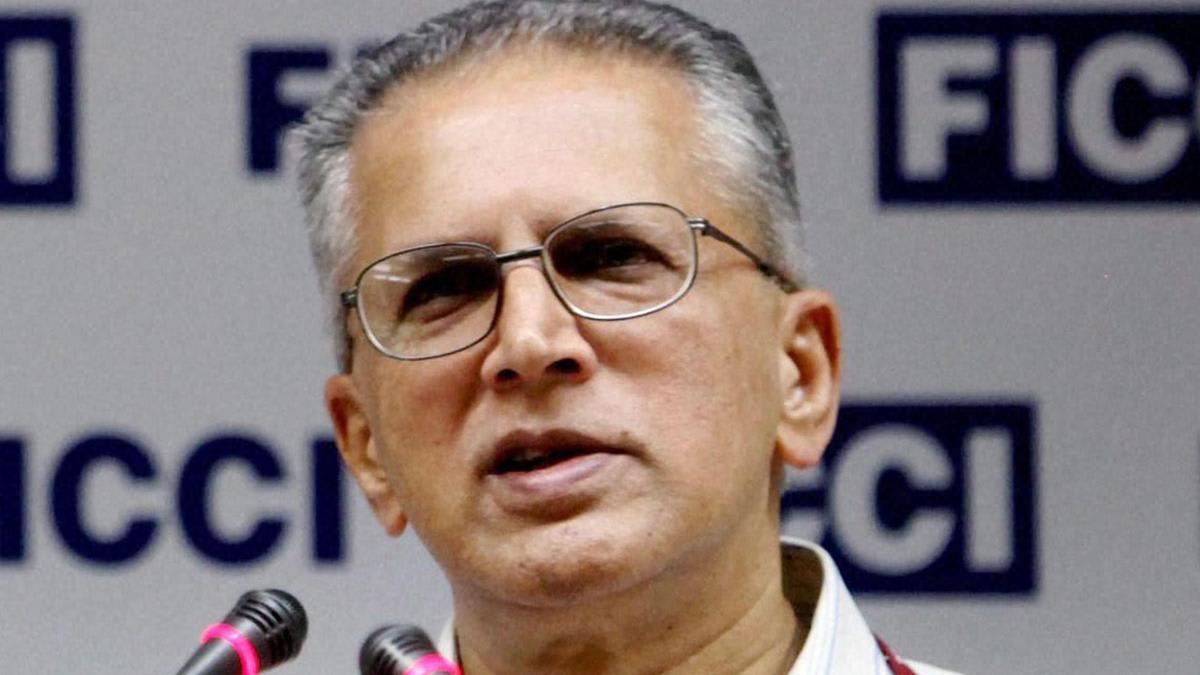
Authorities in Srinagar have denied permission for a rights group led by former Home Secretary G.K. Pillai to release their annual report on the anniversary of Article 370's abrogation. This development coincides with planned protests by major political parties, highlighting ongoing tensions surrounding civil liberties in the region.
Suppression of Civil Society Discourse in Jammu and Kashmir
The recent decision by the Jammu and Kashmir police to deny permission for the release of the Forum for Human Rights in Jammu and Kashmir’s annual report marks a significant moment in the ongoing discourse regarding civil liberties in the Union Territory. Scheduled for August 7, 2026—the seventh anniversary of the abrogation of Article 370—the event was intended to provide a critical assessment of the region's human rights landscape. By blocking the use of the Sheri-Kashmir International Convention Centre (SKICC), the administration has effectively stifled an organized attempt to present findings from a group comprising esteemed figures such as former Home Secretary G.K. Pillai and former Supreme Court Justice Madan B. Lokur.
The Role of Eminent Oversight
The Forum for Human Rights in Jammu and Kashmir serves as a non-governmental body aimed at monitoring and documenting the socio-political climate following the 2019 constitutional changes. The involvement of high-profile individuals like Mr. Pillai and Justice Lokur lends significant weight to their reporting, suggesting that their findings likely address sensitive topics regarding governance, judicial access, and civil rights. The denial of a venue for such a group indicates a low threshold for public critique, particularly on dates that hold symbolic weight for both the government and local political factions.
The Tense Anniversary Context
August 5, 2026, marks seven years since the central government revoked the special status of Jammu and Kashmir. This period has been characterized by intense security measures and periodic restrictions on public gatherings. The fact that the police denial occurred in the lead-up to this anniversary underscores the administration's preemptive approach to preventing civil unrest. By managing the physical space at venues like the SKICC, authorities aim to control the narrative during a time when historical grievances are most likely to be articulated by activists and observers.
Political Mobilization and State Response
The denial of permission for the Forum’s event does not occur in a vacuum. Major regional political parties, including the National Conference (NC) and the Peoples Democratic Party (PDP), have announced their own protest programs for the same period. The state’s refusal to allow the report release suggests a broader policy of limiting organized dissent or public commentary that might coalesce with these political protests, thereby preventing a synchronized mobilization of civil society and political opposition.
Implications for Future Dialogue
This event raises critical questions regarding the space available for independent fact-finding and democratic discourse in Jammu and Kashmir. When platforms for intellectual and legal review are curtailed, the vacuum is often filled by polarized rhetoric. For democratic health, the ability of rights groups to operate—even when their findings are critical—is essential. The cancellation of this function represents a setback for transparency and suggests that the administration remains highly sensitive to any external or independent assessment of the region’s stability.
Conclusion: Assessing the Path Forward
Moving forward, the relationship between the administration and civil society groups remains strained. The reliance on police permission for public discourse in Srinagar underscores the limitations currently placed on freedom of assembly. As the region continues to evolve under its current constitutional framework, the ability to balance security concerns with the fundamental rights of organizations to publish reports will remain a defining challenge for the local governance structure.
Verification Required?