Why Tamil Nadu’s fiercest political battles are often about private lives of leaders
Source Entity
Arun Janardhanan
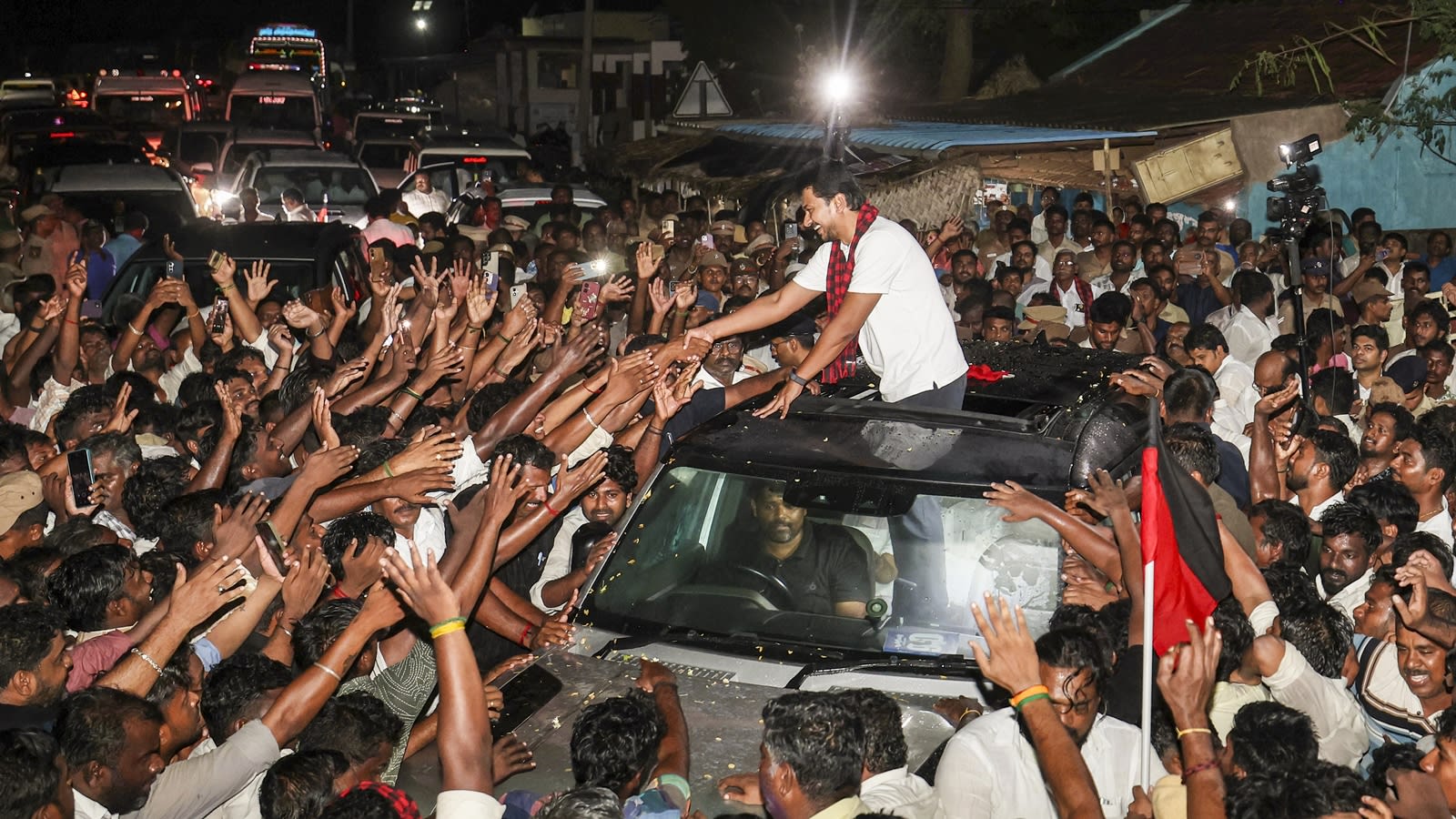
Former Tamil Nadu Deputy CM Udhayanidhi Stalin was arrested and subsequently released on bail following controversial remarks about CM Joseph Vijay and a female actor. The incident has drawn criticism for the TVK government's aggressive use of police machinery against political opposition.
The Political Firestorm in Thanjavur
The recent arrest of DMK leader and Leader of Opposition Udhayanidhi Stalin has ignited a volatile debate regarding the boundaries of political discourse and the state's use of law enforcement. During a protest in Thanjavur centered on the contentious Cauvery water dispute, Udhayanidhi allegedly made a double entendre regarding an actress, purportedly linking her to Chief Minister Joseph Vijay. While the DMK claims the remarks were intended as political critique, the fallout has shifted the narrative from vital issues like farmer welfare to the personal lives of public officials.
The Weaponization of Law Enforcement
The swift arrest of Udhayanidhi on charges including criminal conspiracy and promoting enmity, followed by a seven-hour transit to Thanjavur, raises significant concerns about the state's judicial impartiality. Critics argue that the TVK government's decision to utilize the police machinery to target an opposition leader suggests a blurring of lines between the administration and the party. This 'strong-armed' approach is viewed by many as an attempt to silence dissent rather than address the underlying political grievances, effectively turning a speech into a criminal case.
Morality vs. Policy in Tamil Politics
Tamil Nadu's political landscape has historically fluctuated between ideological battles and intense personal scrutiny. While the Cauvery water issue represents a critical policy challenge—impacting irrigation, agricultural viability, and regional economic stability—it was quickly sidelined by a focus on moral posturing. This shift reflects a recurring trend where the personal lives of leaders become the focal point of public discourse, often at the expense of substantive policy debate regarding education, jobs, and development.
Broadening Implications for Opposition
The arrest has inadvertently created an unlikely alliance, with the AIADMK joining the DMK in condemning the government's actions. This rare show of solidarity suggests that the political class views the current administration's tactics as a threat to the democratic process itself. By criminalizing political rhetoric, the government risks setting a precedent that could stifle future opposition, regardless of which party holds power.
Future Trends and Democratic Health
As the state moves forward, the impact of this incident will likely be felt in upcoming legislative sessions and public protests. The reliance on police intervention to address verbal slights indicates a fragile political environment where the 'culture war' frequently eclipses the 'policy war.' Unless there is a return to discourse centered on developmental metrics and legislative accountability, the political climate in Tamil Nadu may remain trapped in a cycle of vendetta-driven governance, further alienating a public focused on the tangible realities of the Cauvery water crisis.