Jodhpur’s Instagram star with 21 lakh followers crushed in village poll, gets 33 votes out of 1,600
Source Entity
The Indian Express
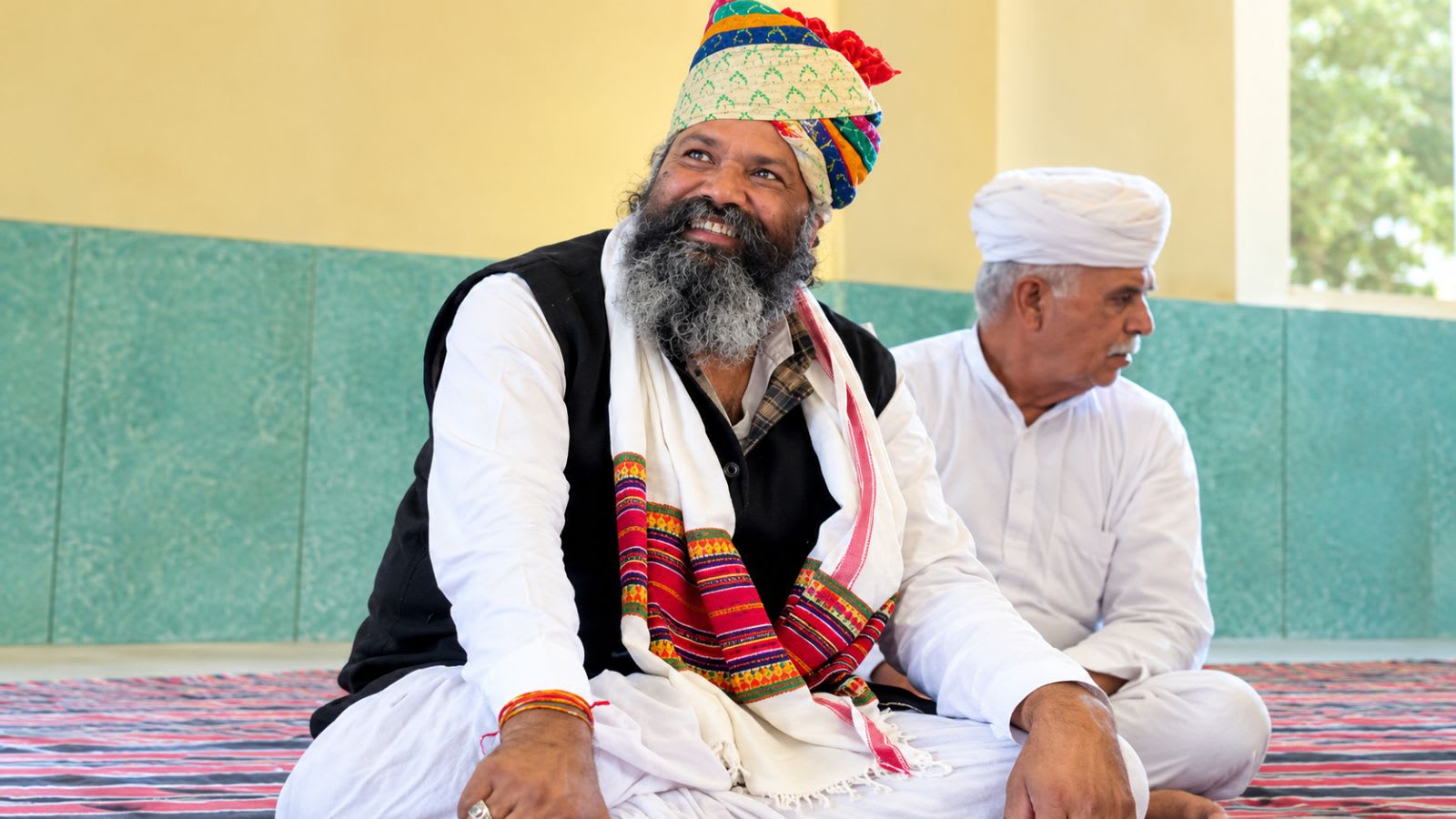
Astrologer and influencer Omprakash Bishnoi suffered a crushing defeat in the Indon Ki Dhani-II sarpanch election. Despite commanding over 2.1 million followers online, he secured only 33 out of 1,600 possible votes.
The Digital-Physical Divide: A Case Study in Jodhpur
The recent gram panchayat election in the Indon Ki Dhani-II panchayat of Jodhpur, Rajasthan, has provided a stark illustration of the disconnect between digital influence and grassroots political reality. Omprakash Bishnoi, a face reader, astrologer, and prominent social media influencer, entered the race for sarpanch with significant online clout. With a combined following exceeding 2.1 million across Instagram, Facebook, and YouTube, his candidacy was initially viewed by some as a test of whether digital popularity could translate into localized electoral success.
The Illusion of Online Popularity
Bishnoi’s digital footprint is undeniably impressive, boasting 1.4 million followers on Instagram, over 200,000 on Facebook, and roughly 550,000 subscribers on YouTube. However, the election results revealed a profound discrepancy between this reach and the actual ballot count. Out of approximately 1,600 eligible voters in his village, Bishnoi secured a mere 33 votes. This outcome serves as a potent reminder that social media engagement is often broad, global, and superficial, whereas village-level politics in India remains deeply rooted in personal relationships, caste dynamics, and local community service.
Local Dynamics vs. Global Reach
While Bishnoi leveraged his career as an astrologer and his position as the president of a local cow shelter to bolster his public persona, these efforts failed to resonate with the specific electorate of Osian block. The failure to secure even a significant fraction of the 1,600 votes suggests that his digital persona did not align with the expectations the villagers held for their local representative. In rural Indian governance, the sarpanch is expected to solve immediate civic grievances, manage infrastructure, and mediate local disputes, roles that require physical presence and trust rather than online visibility.
The 'Influencer' Paradox in Politics
This event highlights a growing trend where public figures attempt to pivot from digital content creation to formal governance. The 'influencer' paradox is defined by the assumption that fame equates to mandate. However, as seen in Jodhpur, the digital echo chamber can often mask a lack of genuine ground-level support. For an influencer, the audience is typically passive and geographically dispersed, whereas a candidate requires an active, localized constituency that shares a common interest in the candidate's policy platform or personal integrity.
Broader Implications for Future Elections
Looking forward, this election result will likely serve as a case study for political analysts monitoring the intersection of social media and rural governance. It suggests that while digital platforms are excellent for building brand awareness, they cannot serve as a substitute for traditional door-to-door campaigning or deep-seated community integration. Future candidates who rely heavily on their online presence may find themselves similarly isolated if they fail to cultivate the specific, localized support necessary to win at the ballot box.
Conclusion: The Verdict of the Ballot Box
Ultimately, the defeat of Omprakash Bishnoi is a testament to the resilience of local democratic processes. Despite his ability to influence millions online, the voters of Indon Ki Dhani-II exercised their autonomy in a way that prioritized local needs over digital fame. This event reaffirms that in the context of village panchayats, the ballot box remains the ultimate arbiter of value, one that remains largely immune to the allure of social media metrics.
Multiple Citing Sources