Current struggle not merely limited to resignation Gyanesh Kumar, it is also a fight to regain democratic space: CPI(M) MP John Brittas
Source Entity
India Latest News: Top National Headlines Today & Breaking News | The Hindu
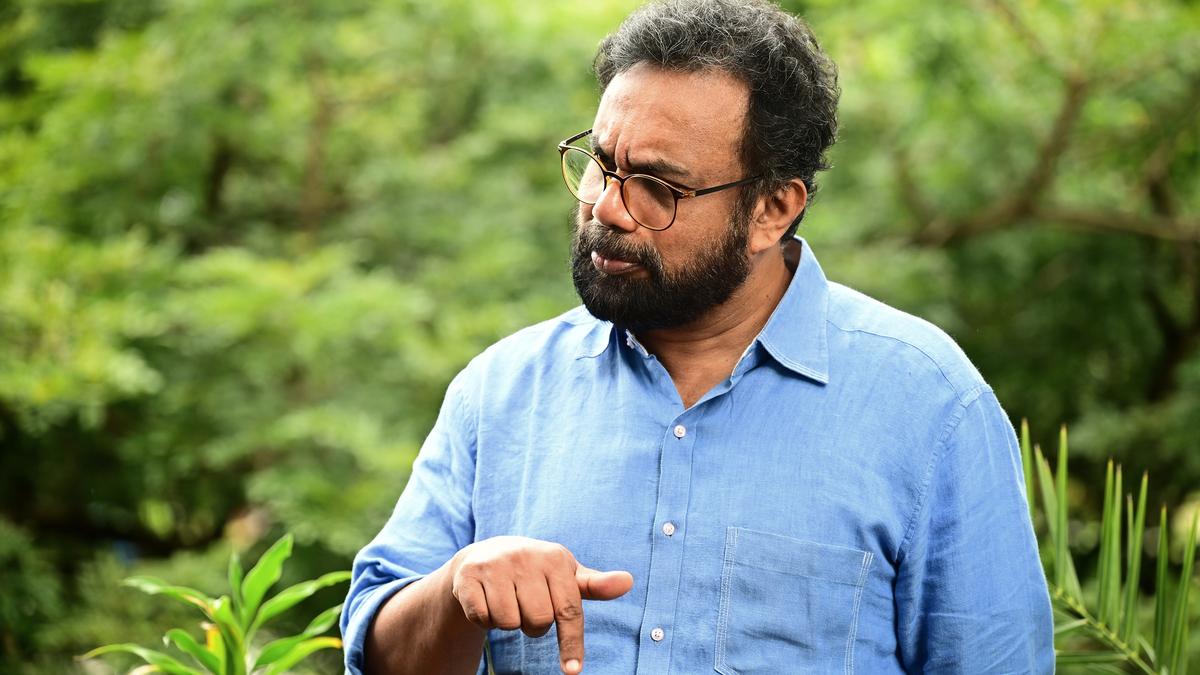
CPI(M) MP John Brittas frames the current nationwide protests as a broader struggle to reclaim democratic space beyond the specific demand for CEC Gyanesh Kumar's resignation. He argues that the government's repressive response reflects fears of political fallout from conceding to public pressure.
The Fight for Democratic Integrity: An Analysis of the Ongoing Protests
A Broader Movement Beyond Resignations
The recent statements by CPI(M) Rajya Sabha MP John Brittas highlight a significant escalation in the discourse surrounding the current nationwide protests. While the immediate focal point of the agitation has been the demand for the resignation of Chief Election Commissioner Gyanesh Kumar—stemming from serious allegations of vote theft—Brittas argues that the movement has evolved into a much larger existential battle. According to the MP, the protests are now fundamentally about regaining the 'democratic space' that many citizens feel has been systematically eroded.
The Erosion of Institutional Credibility
At the heart of this conflict lies the integrity of India's electoral process. Brittas emphasizes that without the assurance of free and fair elections, the fundamental mechanisms of a democracy become redundant. When the citizenry loses faith in the neutrality of the Election Commission, the value of political participation, social activism, and legislative discourse is severely diminished. This sentiment, as expressed by the Left leader, suggests that the current crisis is not merely a partisan squabble but a systemic failure that touches every section of society.
Government Tactics and Political Calculus
Analyzing the government's response, Brittas suggests that the Union administration has adopted increasingly repressive tactics to quell the second round of protests. This strategy, he posits, is rooted in a political calculation by the BJP leadership. The government appears to fear that yielding to the protesters' demands would be perceived as a sign of weakness, potentially leading to 'far-reaching consequences' for their political standing. By attempting to suppress the dissent, the ruling party is seeking to contain the narrative and prevent the movement from gaining further momentum.
The Stakes for Civil Society
The involvement of diverse sections of society in these protests underscores the depth of the public’s concern. Brittas notes that activists, political parties, and ordinary citizens are all 'feeling the pinch' of what they perceive as a narrowing of democratic freedoms. This widespread participation indicates that the issues at stake transcend traditional party lines, focusing instead on the preservation of constitutional norms and the protection of civil liberties that have been established over decades of Indian democratic history.
Historical Context and Future Implications
Reflecting on the historical trajectory of Indian democracy, the current situation represents a critical juncture. The tension between state power and the demand for electoral accountability is a recurring theme in political science, yet the scale and intensity of these protests suggest a heightened level of urgency. If the democratic space continues to shrink, the long-term impact on India's political stability could be profound. Future trends will likely depend on whether the government chooses to engage in dialogue to restore institutional trust or continues to rely on repressive measures, which may only serve to deepen the divide between the state and the people.
Concluding Perspectives
Ultimately, the analysis provided by John Brittas serves as a stark warning about the fragility of democratic institutions. The demand for the resignation of the Chief Election Commissioner is merely a catalyst for a more deep-seated anxiety regarding the future of fair governance in India. As the situation develops, the ability of the political establishment to address these grievances will be the ultimate test of the country's commitment to its democratic foundations.
Verification Required?