Judge orders Paramount to temporarily pause Warner Bros acquisition
Source Entity
Yahoo Finance
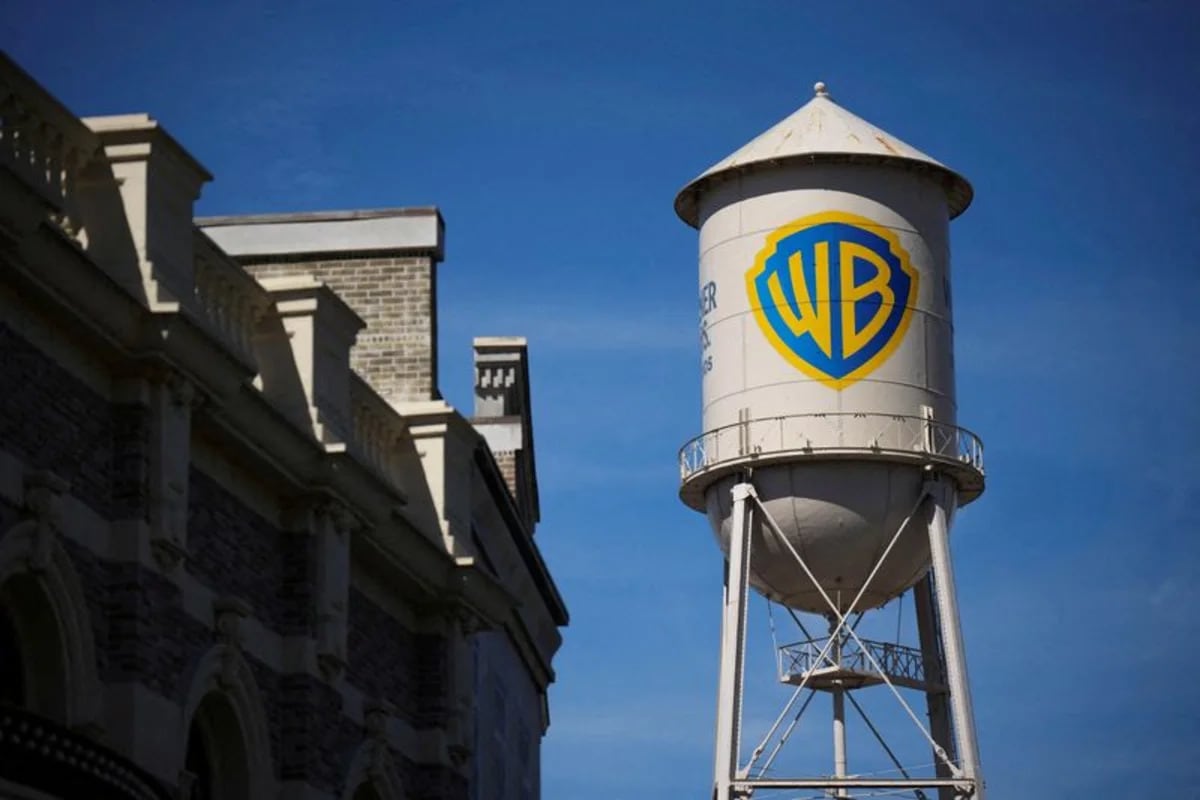
A federal judge has issued a temporary 14-day restraining order blocking the multi-billion dollar merger between Paramount and Warner Bros. Discovery. The ruling supports a lawsuit by 12 states, which argue the deal would violate antitrust laws and reduce consumer choice.
Judicial Intervention in Hollywood Consolidation
In a significant development for the entertainment industry, U.S. District Judge Araceli Martínez-Olguín has issued a temporary restraining order halting the massive, multi-billion dollar merger between Paramount and Warner Bros. Discovery. This judicial action serves as a direct response to a lawsuit filed by a coalition of 12 states, led by California, which seeks to permanently block the consolidation. The court’s decision to intervene underscores the growing scrutiny surrounding media conglomerates and their impact on market competition.
The Legal Basis for the Injunction
The court’s decision hinges on the potential for "irreparable harm" to the marketplace. Judge Martínez-Olguín noted that, given the market share the combined entity would command, the court is currently persuaded that the proposed merger is "likely to violate antitrust laws." By granting the 14-day restraining order, the judge has effectively prohibited the companies from finalizing the transaction or consolidating their operations while the legal challenge proceeds. This period is intended to provide the court sufficient time to deliberate on a preliminary injunction, which could extend the freeze indefinitely.
Antitrust Concerns and Consumer Impact
The lawsuit, spearheaded by attorneys general from states including New York, Massachusetts, and New Jersey, argues that the merger would "extinguish competition" within the Hollywood ecosystem. The core of the states' complaint is that such a massive consolidation of power would inevitably lead to fewer choices for consumers. Specifically, the prosecutors are concerned that moviegoers and cable customers across the United States would face higher prices and reduced diversity in content as the combined entity gains greater leverage over distribution channels and content libraries.
The Road to the Restraining Order
The tension escalated when the state prosecutors requested that Paramount and Warner Bros. Discovery voluntarily delay the deal's closure to allow for a full judicial review. When the companies declined to pause the transaction, the states filed for the temporary restraining order. This adversarial stance highlights the friction between corporate growth strategies—often aimed at achieving scale to compete with streaming giants—and regulatory mandates designed to protect the integrity of the open market.
Broader Implications for Future Media Mergers
This case sets a critical precedent for how courts evaluate large-scale media mergers in an era of rapid industry transformation. If the temporary order is converted into a preliminary injunction, it could signal a shift toward more aggressive judicial oversight of corporate consolidation in the entertainment sector. The outcome will likely influence how other major players in the media landscape approach future acquisitions, potentially cooling the appetite for "mega-mergers" that risk triggering similar antitrust litigation.
Conclusion and Future Outlook
As the 14-day window progresses, all eyes will be on the court to see if the temporary restraining order is extended. The legal battle is far from over, but the initial ruling represents a significant hurdle for Paramount and Warner Bros. Discovery. The case serves as a reminder that even deals approved by executive administration levels remain subject to the rigorous standards of antitrust law and the scrutiny of state-level legal challenges, ultimately aiming to safeguard the competitive landscape of American media.
Multiple Citing Sources