Salman Khan’s ‘Sonam, it’s done bro’ post ‘cringe’, Bollywood irrelevant: Shobhaa De
Source Entity
The Indian Express
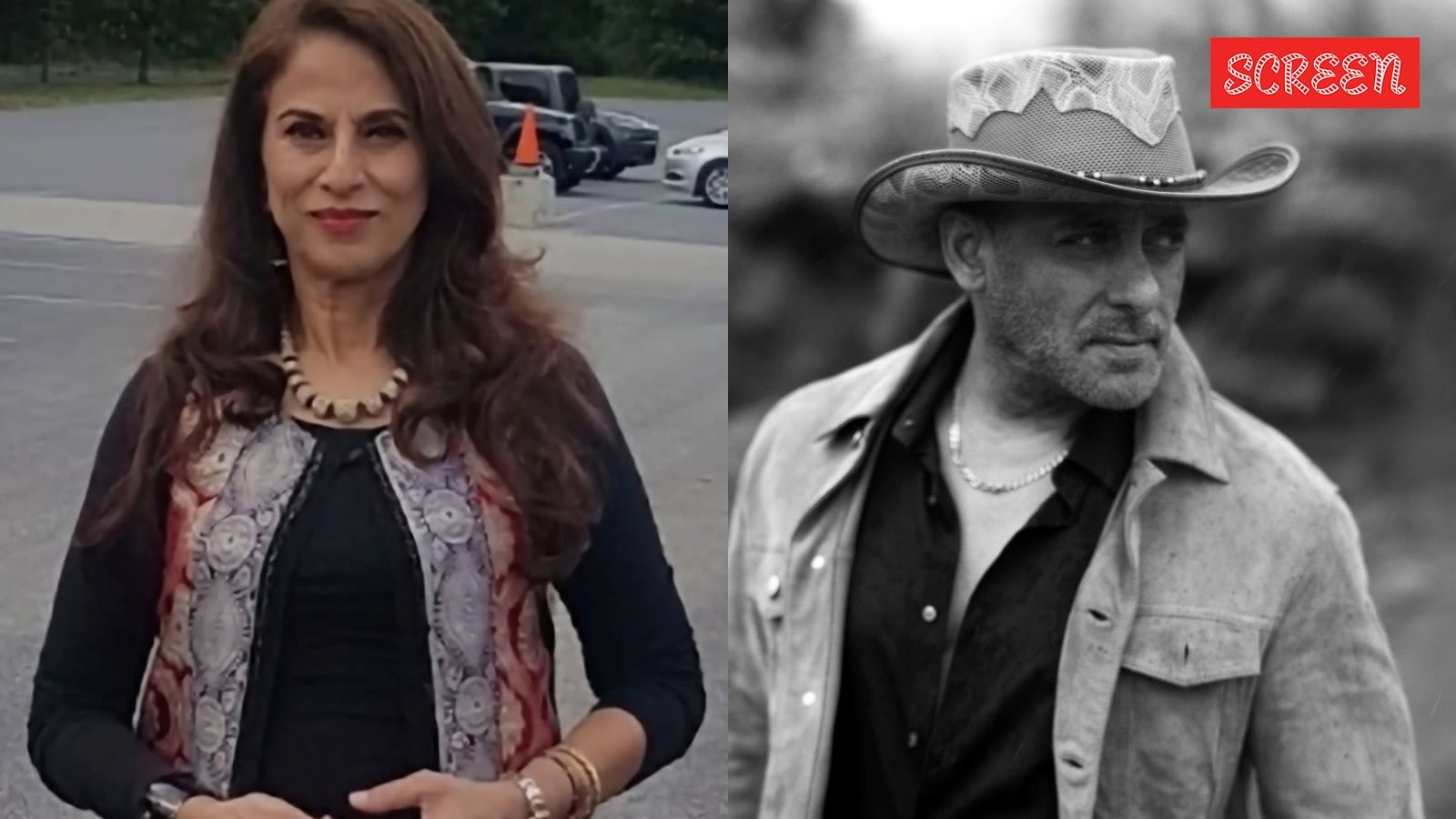
BJP MP Kangana Ranaut has condemned protesters for using abusive language against PM Modi’s late mother during CJP-led demonstrations. Meanwhile, columnist Shobhaa De has criticized Bollywood's broader reaction to these protests as out of touch with Gen Z sentiments.
The Intersection of Political Protest and Public Discourse
The recent demonstrations led by the Cockroach Janta Party (CJP) at Jantar Mantar have ignited a fierce debate regarding the boundaries of political dissent and the decorum expected in a vibrant democracy. At the center of this controversy is BJP MP and actor Kangana Ranaut, who has vociferously condemned the protesters for allegedly hurling "filthy abuse" at Prime Minister Narendra Modi and his late mother. Ranaut’s reaction underscores a significant tension between the right to protest and the standards of public discourse, as she questioned the legitimacy of the protesters' claims to be students, citing the use of "obscene language" as a disqualifying factor for civil engagement.
Government Intervention and Digital Regulation
The intensity of the discourse surrounding these protests has prompted official action, with the Delhi Police issuing directives to various social media platforms to remove content containing offensive remarks directed at the Prime Minister. This move highlights the government's sensitivity toward the digital proliferation of inflammatory rhetoric. By targeting the removal of these posts, authorities are attempting to define the limits of protected speech in the digital age, suggesting that personal attacks—particularly those involving family members of public officials—fall outside the scope of acceptable political criticism.
The Cultural Divide: Bollywood and Gen Z
Beyond the political sphere, the protests have exposed a widening chasm between the traditional entertainment industry and the younger generation. Columnist Shobhaa De has provided a scathing critique of Bollywood’s response, characterizing the industry's engagement as "uncool" and "irrelevant." By specifically calling out Salman Khan’s interaction with activist Sonam Wangchuk, De argues that mainstream stars are misreading the mood of a youth-led movement that is fundamentally different from the protest cultures of previous decades. This friction suggests that the cultural cachet of established stars may be waning among a generation that prioritizes grassroots activism over celebrity endorsements.
Political Polarization and Party Dynamics
The public spat has also highlighted internal and external political fractures. While Kangana Ranaut has taken a hardline stance against the CJP, the party has responded in kind, questioning her standing even within her own political ranks. This cycle of mutual delegitimization—where politicians question the seriousness of their opponents' party affiliation—reflects a broader trend in current political discourse where ad hominem attacks frequently overshadow substantive policy debate regarding issues like the NEET-UG paper leak.
Broader Implications for Future Activism
Looking ahead, the fallout from these protests suggests that the digital battlefield will remain a primary site of contention. As the CJP continues to challenge the status quo, the government's reliance on police intervention to manage online sentiment may set a precedent for how future student movements are handled. The divide between those who view these protests as essential democratic expression and those who view them as a breakdown of societal norms will likely continue to polarize the national conversation, leaving little room for middle-ground dialogue.
Conclusion: A Democracy at a Crossroads
In summary, the clashes at Jantar Mantar represent more than just a specific grievance over examination integrity; they serve as a microcosm of the current state of Indian public life. Whether it is the conflict over the language used against leadership or the perceived irrelevance of cultural icons, the events indicate a moment of profound social recalibration. As these dynamics unfold, the ability of democratic institutions to absorb such intense friction without eroding the fundamental right to dissent will be the true test for India's political future.
Multiple Citing Sources