The mud kitchen in Kangra breathes with the seasons
Source Entity
The Indian Express
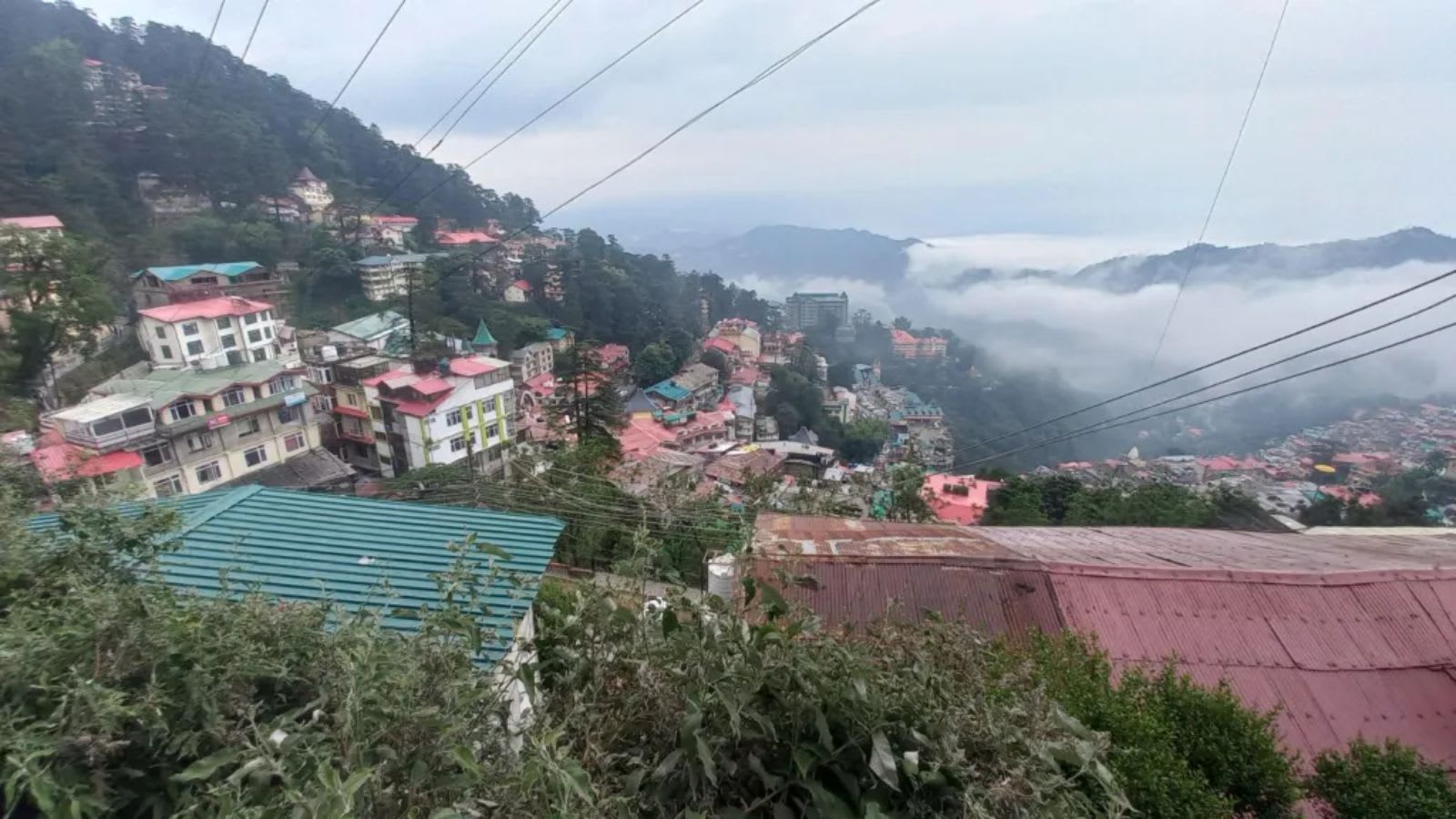
Traditional mud-based architecture in Kangra offers a sustainable alternative to modern concrete structures that struggle with thermal regulation. Recent legal interventions and environmental reports highlight the urgent need to balance tourism-driven development with ecological preservation.
The Thermal Wisdom of Traditional Kangra Architecture
In the village landscapes of Kangra, a stark architectural contradiction has emerged: modern concrete dwellings, often championed as symbols of progress, frequently fail to manage the region's intense climatic shifts. These structures tend to trap stifling heat during the summer months while transforming into damp, frigid environments during the winter. In contrast, traditional kitchens constructed from mud, local stone, and slate demonstrate an inherent, passive ability to regulate temperature, remaining cool amidst summer heat and providing essential insulation against the biting winds of the Dhauladhar range.
Ecological Resilience vs. Modern Construction
The fundamental difference lies in the material composition of these buildings. Traditional homes 'breathe' with the seasons, utilizing the thermal mass of mud walls to moderate indoor temperatures naturally. This ancient building methodology renders mechanical climate control—such as air conditioners and heaters—largely unnecessary. As higher-altitude towns increasingly rely on energy-intensive air conditioning in hotels, the traditional homes below serve as a poignant reminder that vernacular architecture often provides superior climate resilience compared to imported urban construction styles.
Legal Precedent and Environmental Oversight
The tension between rapid commercial development and ecological preservation reached a critical juncture in July 2025. Justices J.B. Pardiwala and R. Mahadevan of the Supreme Court issued a landmark decision rejecting a developer's proposal to construct a hotel on the forested slopes of Shimla. In their ruling, the judges explicitly prioritized ecological integrity over immediate revenue, signaling a potential shift in how the judiciary views land use in ecologically sensitive Himalayan regions.
The Impact of Unchecked Tourism Expansion
Data provided by the Central Empowered Committee (CEC) underscores the rapid transformation of the landscape. The proliferation of hospitality infrastructure has been staggering, with registered hotels increasing by 90 percent and homestays surging by 670 percent over recent periods. This explosive growth, often driven by the replacement of traditional, climate-responsive homes with modern concrete blocks, has placed immense strain on local resources and increased the environmental footprint of the tourism sector.
Future Implications for Sustainable Development
The CEC’s interim report serves as a diagnostic tool for understanding the consequences of this concrete-centric development trend. By documenting the shift away from traditional building practices, the report highlights the loss of indigenous knowledge that once allowed residents to thrive without excessive energy consumption. Moving forward, the integration of traditional architectural wisdom with modern safety standards could offer a path toward sustainable development that respects the Dhauladhar ecosystem rather than working against it.