Kansas teacher dragged out in handcuffs after clapping at data center meeting
Source Entity
TOI TECH DESK
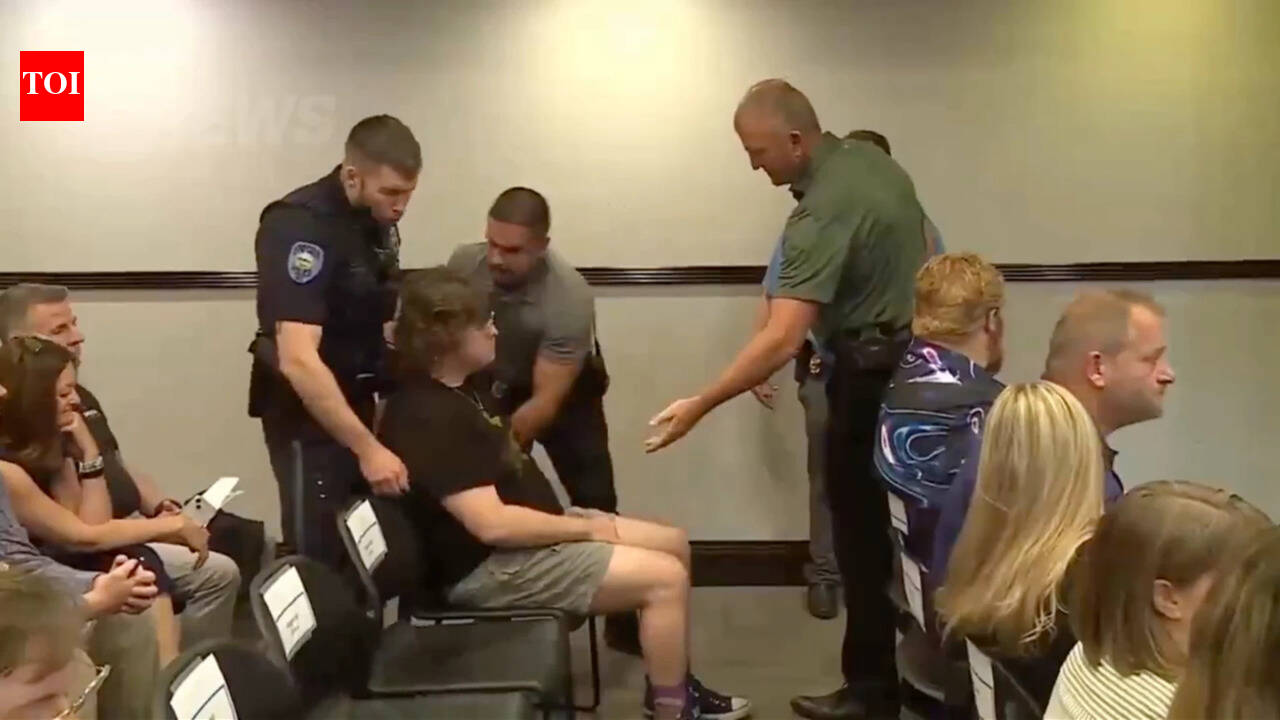
A Kansas physics teacher was arrested for disorderly conduct after clapping at a city commission meeting regarding a data center project. The incident highlights rising tensions between local government and public participation during zoning debates.
The Intersection of Public Protest and Local Governance
The arrest of Lux Claridge, a 37-year-old physics teacher in Emporia, Kansas, marks a significant flashpoint in the ongoing debate over the boundaries of public participation in local government. During an Emporia City Commission meeting on July 22, 2026, Claridge was forcibly removed and subsequently charged with interference with law enforcement and disorderly conduct after he engaged in clapping, an act deemed disruptive by city officials. This incident serves as a stark illustration of the friction that can arise when municipal authorities prioritize procedural control over the expressive rights of citizens during contentious zoning debates.
The Context of the Data Center Zoning Dispute
At the heart of the confrontation was the city commission's deliberations regarding a proposed data center project. Data centers are increasingly becoming focal points for local economic development, yet they often trigger significant community pushback due to concerns over energy consumption, water usage, and infrastructure strain. In this instance, the commission’s decision to approve the necessary zoning changes for the project occurred against a backdrop of heightened public scrutiny, where residents felt their voices were being stifled by formal meeting decorum rules.
Analyzing the Charges of 'Disruptive Conduct'
According to the Emporia Police Department, the commission issued several verbal warnings regarding conduct that interrupted proceedings. When Claridge continued to clap, he was directed to leave the premises. His subsequent refusal to comply necessitated a physical intervention by law enforcement. From a legal standpoint, the charges of interference and disorderly conduct hinge on the interpretation of what constitutes a 'disruption' in a public forum. While administrative bodies have the right to maintain order, the threshold for criminalizing non-violent expressions like clapping remains a point of intense legal and ethical debate.
The Chilling Effect on Civic Participation
The optics of a teacher being carried out in handcuffs from a public meeting carry profound implications for the health of local democracy. Such events often create a 'chilling effect,' where citizens may fear that expressing dissent—even through standard applause—could lead to arrest and a criminal record. When the public perceives that the mechanisms for feedback are being weaponized against them, trust in local governance erodes, potentially leading to increased polarization and a decline in civic engagement.
Resilience and Future Trends
Despite the arrest, Claridge has publicly stated that he remains undeterred from participating in future public meetings. This defiance reflects a broader trend of grassroots activism, where individuals are increasingly willing to challenge local ordinances they believe infringe upon their civil liberties. As cities across the country continue to balance industrial growth with community concerns, the question of how to manage dissent without resorting to police intervention will remain a critical challenge for municipal leaders.
Conclusion
The Emporia incident is a microcosm of the tension between modern industrial development and community oversight. While the commission ultimately approved the data center project, the cost of that approval included a public relations crisis and a deeper examination of how civil discourse is regulated. Moving forward, local governments may need to re-evaluate their policies on public participation to ensure they are fostering transparency rather than silencing the very constituents they serve.