Karnataka BJP leader C T Ravi booked over ‘hate speech’ during NEET protest
Source Entity
Atiya Firdos
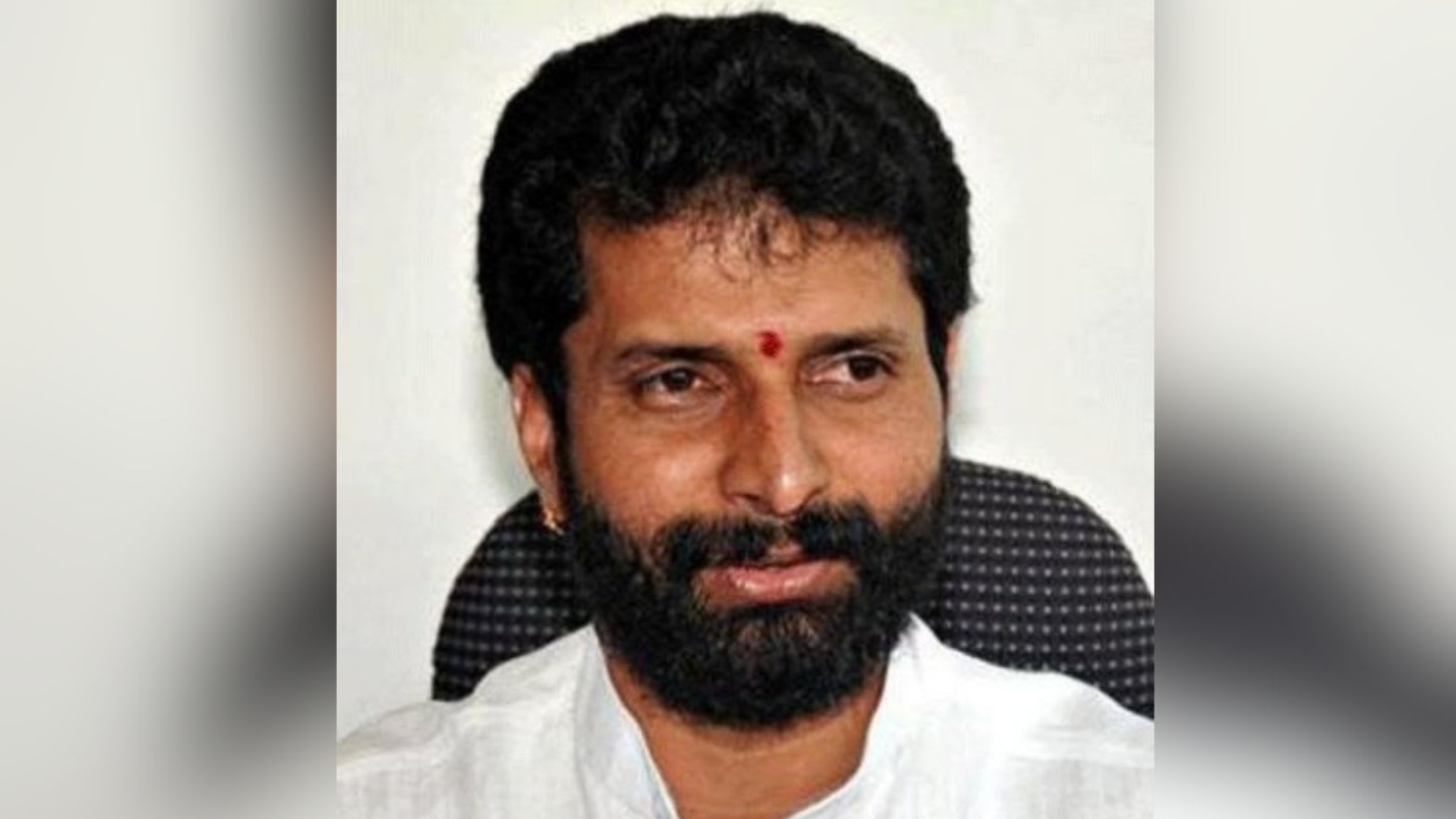
Karnataka police have registered an FIR against BJP MLC C.T. Ravi for alleged hate speech during a protest regarding NEET examination irregularities. The complaint, filed by a local community leader, accuses Ravi of making derogatory remarks against the Muslim community.
Legal Action Against C.T. Ravi Over Hate Speech Allegations
Incident Overview at Azad Park
On July 23, a political demonstration in Chikkamagaluru, Karnataka, took a contentious turn when BJP MLC C.T. Ravi addressed a rally at Azad Park. The protest, ostensibly organized to voice concerns regarding the ongoing NEET examination irregularities, became the focal point of a formal police investigation. According to reports, the discourse shifted from examination policy to inflammatory rhetoric, prompting immediate legal scrutiny.
The Nature of the Allegations
The formal complaint, lodged by Mudassir Pasha, the president of the Jamia Masjid in Chikkamagaluru, details specific allegations of communal provocation. Pasha’s complaint asserts that Ravi utilized the platform to target the Muslim community with derogatory characterizations. Specifically, it is alleged that Ravi labeled the community as a “tukde gang” and questioned their connection to the NEET issue, while also referencing sensitive topics such as the CAA and NRC to incite division.
Legislative and Judicial Context
The Chikkamagaluru Town Police Station has officially registered an FIR against the BJP leader. The charges include section 353(2) of the Bharatiya Nyaya Sanhita (BNS), which addresses the dissemination of false statements, rumors, or reports intended to promote hatred, ill-will, or enmity between different groups based on religion. This legal development underscores the state's ongoing struggle to balance political dissent with the legal prohibitions against hate speech.
Broader Implications of Political Rhetoric
The incident highlights the volatility of public discourse in India, particularly when national issues like the NEET controversy—which impacts millions of students—are intertwined with communal narratives. By injecting identity-based rhetoric into a debate about educational integrity, the protest at Azad Park has drawn criticism from community leaders who argue that such language undermines social cohesion and distracts from the core grievances of the students affected by exam irregularities.
Future Trends in Political Accountability
As legal authorities move forward with the investigation, this case serves as a litmus test for the enforcement of the new BNS provisions regarding public speech. The outcome of this FIR will likely influence how political figures navigate the boundary between aggressive political campaigning and hate speech. Moving forward, observers will be watching to see if the judicial process effectively holds public representatives accountable for inflammatory statements made in public spaces, potentially setting a precedent for future political rallies in the region.
Multiple Citing Sources