Basic structure of Constitution stands in the way of what RSS wants, says N. Ram
Source Entity
India Latest News: Top National Headlines Today & Breaking News | The Hindu
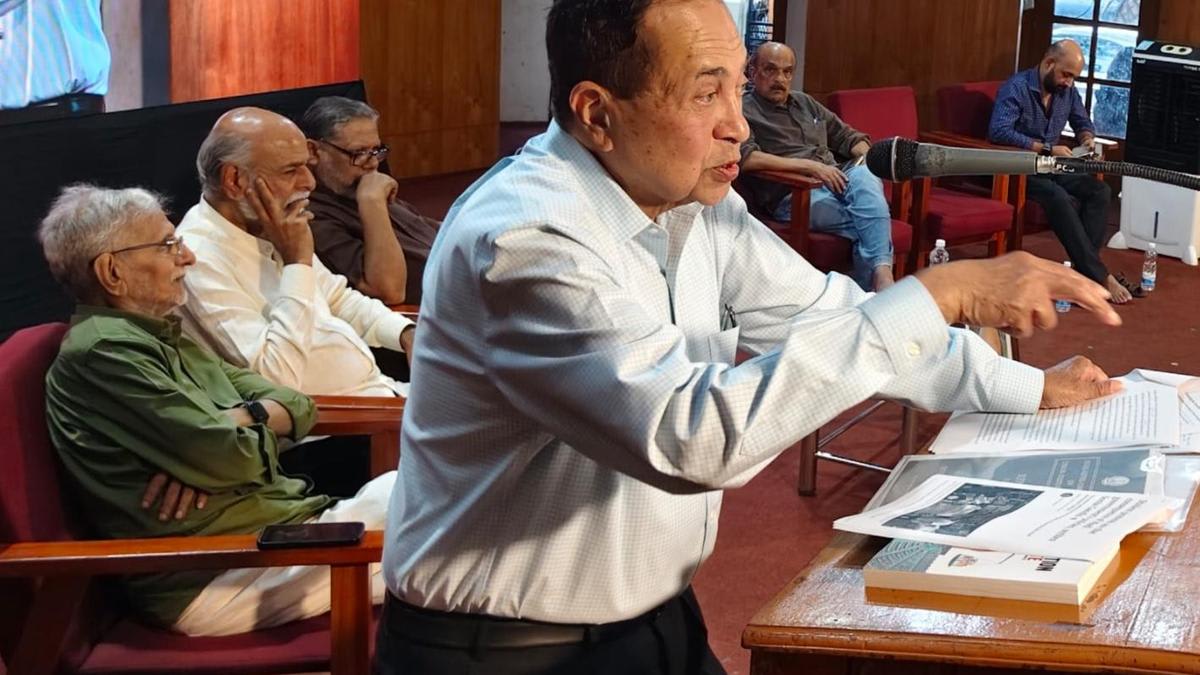
N. Ram has alleged that the RSS and the BJP-led government are undermining the Indian Constitution to advance a majoritarian agenda. He specifically highlights the 'basic structure' doctrine as a critical barrier to the realization of a Hindu Rashtra.
The Constitutional Conflict: Ideology vs. Rule of Law
In a recent critique, N. Ram, Director of The Hindu Group Publishing Private Limited, has characterized the relationship between the Rashtriya Swayamsevak Sangh (RSS) and the Indian Constitution as inherently adversarial. Speaking at a memorial lecture for Chinta Ravindran, Ram posited that the ideological goal of establishing a 'Hindu Rashtra' is fundamentally incompatible with the existing constitutional framework. This tension, he argues, has led to a strategic, multi-pronged effort by the current BJP-led Union government to weaken the foundational principles of the Republic.
The Role of the Basic Structure Doctrine
At the heart of this discourse is the 'basic structure' doctrine, a landmark legal precedent established by the Supreme Court in the 1973 Kesavananda Bharati case. This doctrine dictates that while Parliament has the power to amend the Constitution, it cannot alter its core features—such as secularism, democracy, and judicial independence. Ram suggests that Hindutva authoritarianism views this judicial standard as a significant hurdle, as it prevents the total transformation of the state into a majoritarian entity. By challenging this doctrine, critics argue that the executive is attempting to bypass the safeguards designed to prevent the erosion of democratic values.
Judicial Independence and Executive Pressure
Ram emphasized that the 'basic structure' is not a static, self-executing code, but rather a dynamic standard that relies heavily on the independence of the judiciary. He expressed concern that the current political climate exerts immense pressure on judicial institutions, potentially compromising their ability to act as a check on executive power. The implication is that the integrity of the Indian Republic hinges on the judiciary's willingness to stand firm against political encroachment, even when faced with significant pressure from the ruling establishment.
Historical Context and Ideological Divergence
To understand these claims, one must look at the historical divergence between the vision of the Indian Constitution—which emphasizes pluralism, equality, and secularism—and the ideological foundations of the RSS. The RSS has historically advocated for a vision of India that prioritizes a Hindu identity, which stands in stark contrast to the inclusive, citizenship-based model defined in 1950. The current political environment has brought these two visions into a direct, high-stakes collision, manifesting in debates over legislation, judicial appointments, and the interpretation of fundamental rights.
Future Implications for the Republic
If the concerns raised by N. Ram reflect a broader trend, the future of India's democratic architecture faces a critical juncture. The systematic dismantling of constitutional norms, if left unchecked, could lead to a permanent shift in the relationship between the citizen and the state. As the debate over the 'basic structure' continues, the resilience of civil society, the independence of the press, and the fortitude of the judiciary will likely define whether the Republic retains its original character or undergoes the fundamental transformation that critics fear is currently underway.
Verification Required?