Karnataka final roll sees 18% dip after SIR, slide second steepest
Source Entity
Akram M, Damini Nath
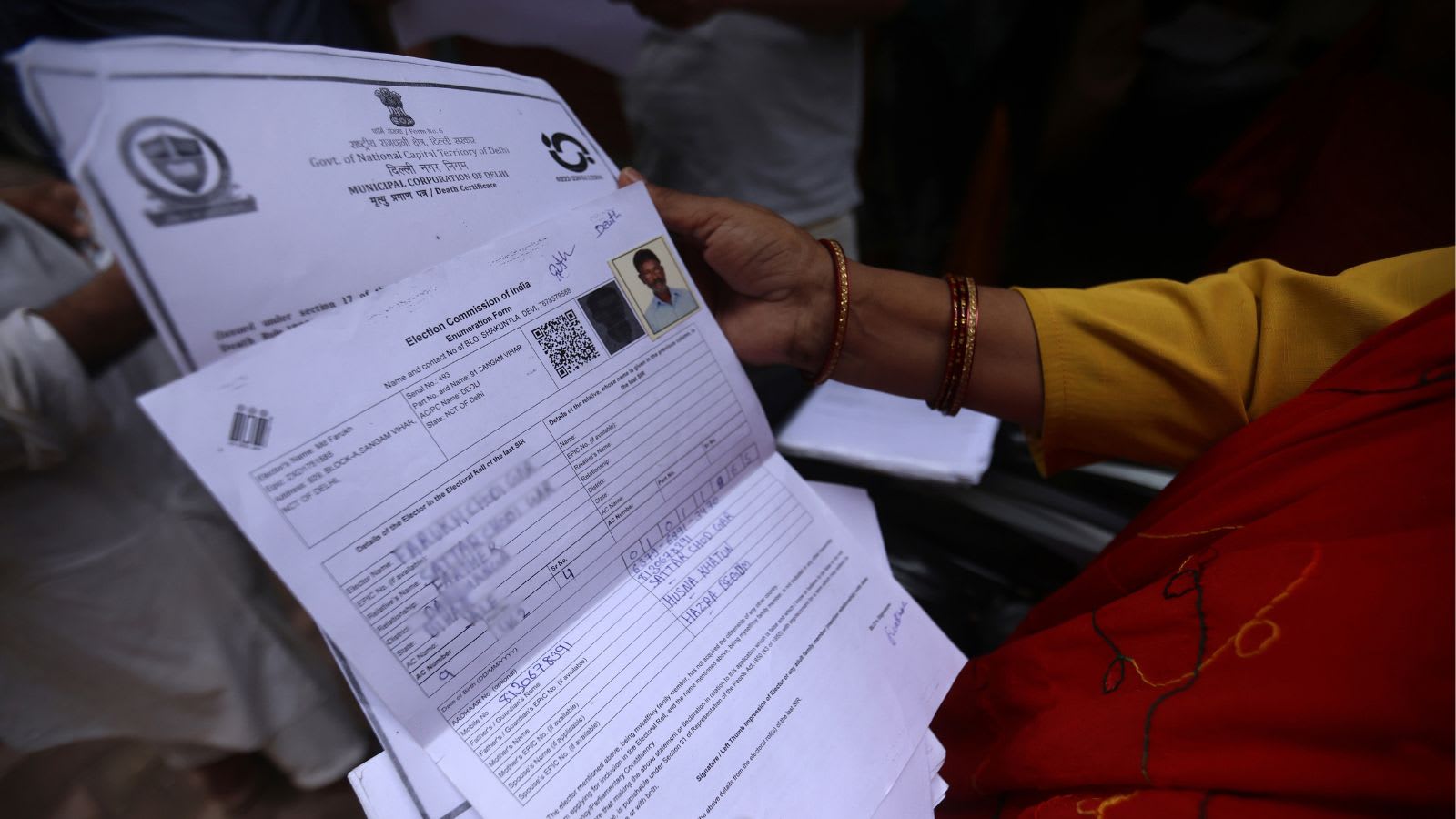
Electoral roll revisions in Karnataka and Delhi have resulted in significant voter list purges, primarily due to shifts, deaths, and duplicates. Despite these massive deletions, new voter registration remains notably low, raising concerns about civic participation.
The Great Voter Roll Clean-Up: Analyzing Karnataka and Delhi Trends
Recent electoral data from Karnataka and Delhi has unveiled a massive administrative overhaul of voter rolls, characterized by significant deletions and a notable lack of new registrations. Following the Special Intensive Revision (SIR), Karnataka saw its electorate shrink from 5.5 crore to approximately 4.54 crore, marking a reduction of nearly 99.76 lakh voters. Similarly, Delhi has reported the deletion of roughly 47.6 lakh voters since August 31, highlighting a period of intense scrutiny over the accuracy of national and state-level electoral databases.
The Mechanics of Exclusion: Why Millions Were Removed
The primary driver behind these massive reductions is the categorization of voters as ASDDO—Absent, Shifted, Dead, Duplicate, and Others. In Karnataka, the data indicates that a staggering 65.45 lakh voters were removed specifically due to permanent relocation. This suggests high levels of internal migration that were not previously captured by electoral rolls. By systematically auditing these lists, election commissions aim to ensure that the integrity of the voting process remains untainted by outdated information, which is a critical step in preventing electoral malpractice.
Demographic Shifts and the Youth Participation Gap
A particularly concerning trend in the Karnataka data is the impact on the 20-29 age demographic, which accounted for 86.56 lakh of the removed voters. While this might reflect the transient nature of young professionals moving for employment, it sits in stark contrast to the low volume of fresh registrations—only 6.83 lakh in Karnataka and a tepid 3,000 in Delhi during the final special camps. This suggests a potential disconnect between the electoral authorities and younger citizens, who may not be prioritizing re-registration after moving.
Urban Concentration and Administrative Challenges
The geographic concentration of these changes is telling, particularly in Bengaluru. Four districts within the city accounted for nearly half of the state's ineligible electors, with areas like Bommanahalli, K.R. Pura, and Mahadevapura leading the numbers. This urban density creates unique challenges for electoral administrators, as high-churn populations in tech-hubs often move frequently, making the maintenance of static voter rolls an almost impossible task without robust, continuous digital updates.
Implications for Future Elections
The tepid response to special registration camps in Delhi, where only 3,000 people submitted Form-6 applications across 15,000 polling stations, signals a broader apathy or lack of awareness regarding the importance of active voter registration. If these trends continue, political parties may face difficulties in reaching voters who have been purged from the system. Consequently, the onus will fall on electoral bodies to modernize the registration process, moving away from manual, camp-based systems toward more accessible digital platforms to encourage higher participation.
Conclusion
The conclusion of the SIR processes in these regions marks a significant shift in how electoral rolls are managed. While the removal of millions of names is a necessary step for administrative accuracy, the simultaneous failure to replenish these lists with new, active voters poses a long-term risk to democratic representation. Future policy trends will likely focus on bridging the gap between mobile urban populations and the static nature of current electoral registry systems.
Multiple Citing Sources