Israel Election Results Live: Israel Exit Polls Signal Setback For Netanyahu, Coalition Talks Loom
Source Entity
NDTV News Search Records Found 1000
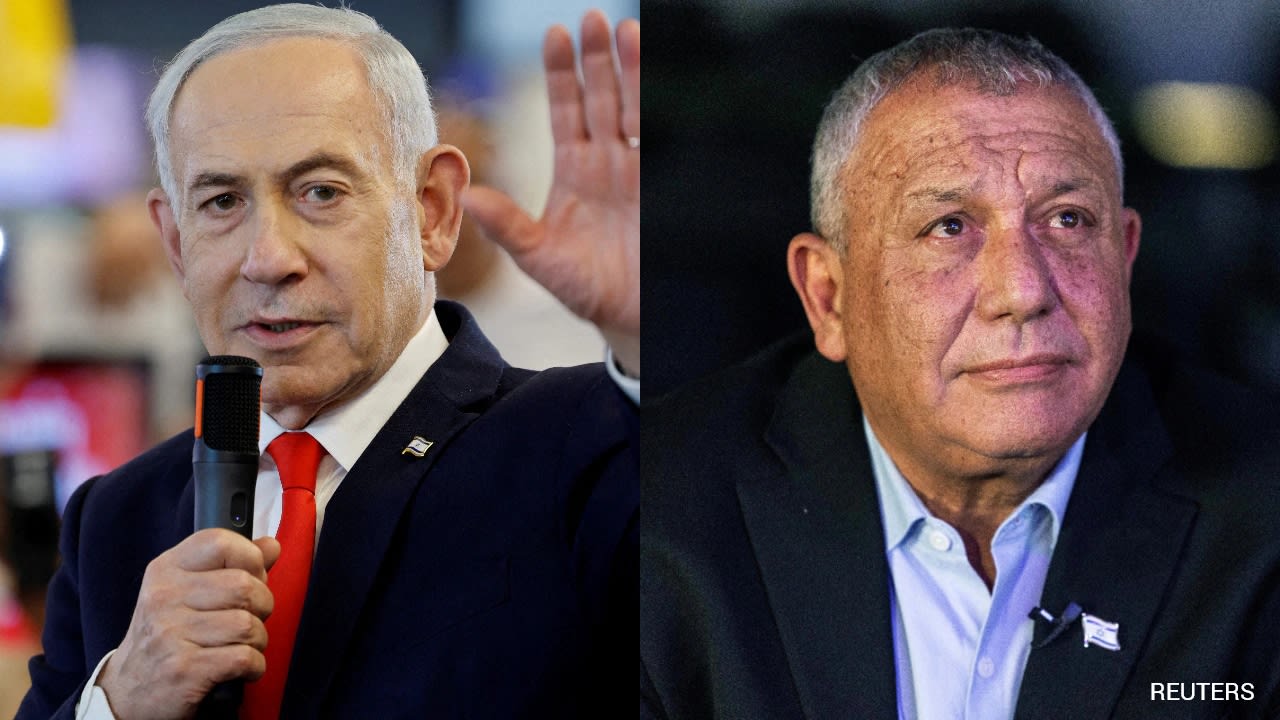
Israel is set for a pivotal election on October 27, where Prime Minister Benjamin Netanyahu faces a significant challenge from former army chief Gadi Eisenkot. The contest reflects a national debate over security, following the October 7 attack and subsequent regional conflicts.
The Crossroads of Israeli Politics: Netanyahu vs. Eisenkot
As Israel approaches the pivotal election date of October 27, the nation finds itself at a defining crossroads. Prime Minister Benjamin Netanyahu, who has long dominated the Israeli political landscape, faces perhaps the most significant threat to his career. The upcoming vote is framed as a referendum on his leadership, specifically regarding his tenure as the self-styled "Mr. Security" in the wake of unprecedented national crises.
The Impact of October 7 on Political Legitimacy
The narrative surrounding the current administration was irrevocably altered by the Hamas attack on October 7, 2023. For years, Netanyahu’s political survival hinged on his reputation as the primary guarantor of Israeli safety. However, the security failures associated with that date have created a profound disconnect between the government and the electorate. The subsequent military confrontations, including the ongoing tensions with Hezbollah in Lebanon, have forced voters to re-examine the efficacy of the current administration’s long-term security policies.
The Rise of Gadi Eisenkot
Emerging as the primary challenger to Netanyahu is Gadi Eisenkot, the 66-year-old former chief of the Israeli army. Eisenkot’s journey from a career military officer—serving as chief of staff from 2015 to 2019 under Netanyahu himself—to the leader of the Yashar party marks a significant shift in the political landscape. His ascent is reflected in polling data; once a fringe candidate polling in the single digits, he now leads a movement projected to secure 20 to 23 seats in the 120-member Knesset, potentially outperforming Netanyahu’s Likud party.
Socio-Political Dynamics and Representation
Eisenkot’s candidacy carries historical weight as the son of Moroccan immigrants. Should he succeed, he would become Israel’s first Mizrahi prime minister, a development that could reshape the country's social fabric and political identity. This candidacy challenges the traditional power bases that have supported Netanyahu, appealing to a segment of the population that may be seeking a departure from the status quo toward a new vision of leadership rooted in military discipline and reform.
The Challenge of Forming a Coalition
Despite the shifting poll numbers, the path to power remains fraught with parliamentary obstacles. Current projections indicate that neither the Netanyahu-led bloc nor the anti-Netanyahu coalition is on a clear trajectory to achieve the 61-seat majority required to form a government. This suggests that the October 27 election may not lead to an immediate resolution of power, but rather a complex period of coalition negotiations that will test the resilience of Israel’s democratic institutions.
Future Implications for Regional Stability
The outcome of this election will have immediate consequences for Israel’s domestic policy and its broader regional strategy. Whether the electorate chooses to return Netanyahu to power, banking on his familiar playbook, or opts for the reformist platform represented by Eisenkot, the next government will inherit the immense task of addressing the security aftermath of recent wars and reconciling a deeply divided public. The result will ultimately determine the direction of Israel's defense and diplomatic posture for the coming years.
Multiple Citing Sources
Verification Required?