Need to balance right to free speech, privacy: Supreme Court
Source Entity
DHANANJAY MAHAPATRA
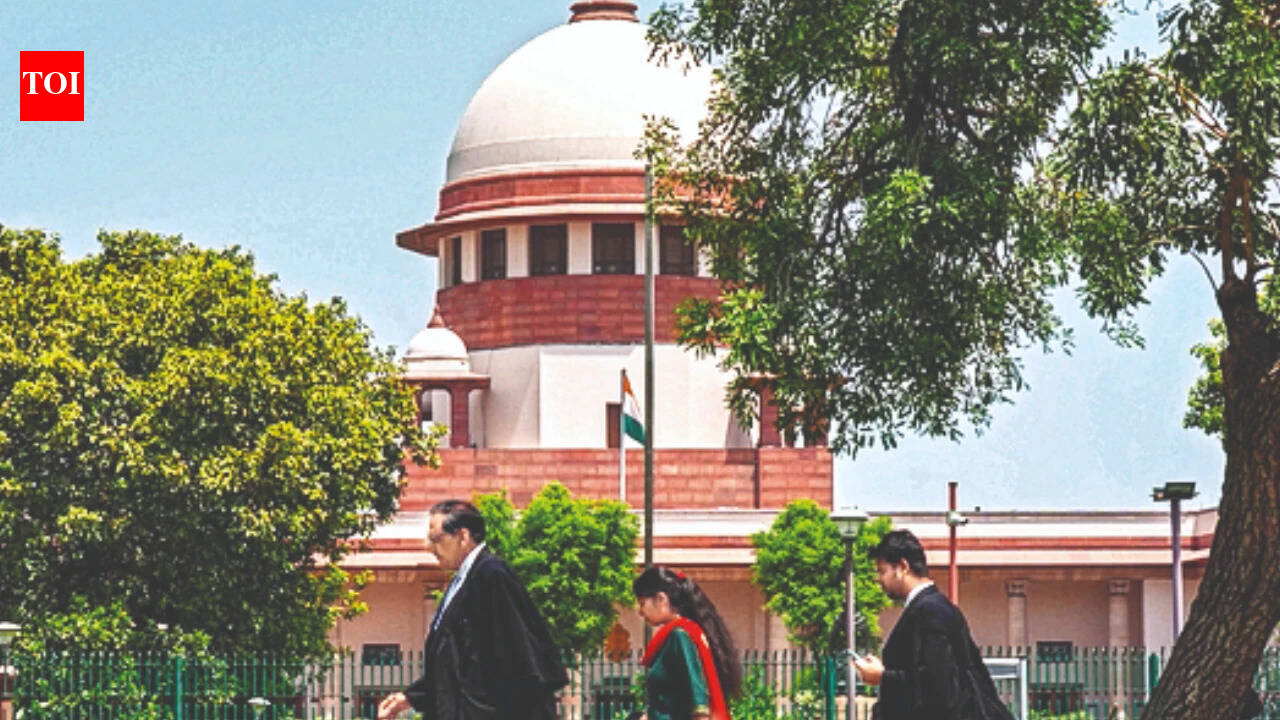
The Supreme Court has emphasized the necessity of balancing media freedom with the right to citizen privacy. This ruling highlights the ongoing legal tension between protected expression and individual data protection.
The Constitutional Tension Between Press Freedom and Privacy
The Supreme Court’s recent observation regarding the need to balance the media’s right to free speech with the privacy rights of citizens marks a pivotal moment in the evolution of constitutional jurisprudence. At its core, this discourse addresses the friction between Article 19(1)(a)—which guarantees freedom of speech and expression—and the fundamental right to privacy, which has been firmly established as an intrinsic part of the right to life and liberty under Article 21.
The Media's Role in a Democratic Framework
In any vibrant democracy, the media acts as the fourth pillar, serving as a watchdog that holds power to account. The freedom of the press is essential for the dissemination of information, public debate, and transparency. However, the Supreme Court’s assertion suggests that this freedom is not absolute. When investigative journalism or public reporting infringes upon the intimate sphere of an individual’s life, the judiciary is often called upon to determine where the public interest ends and the violation of personal dignity begins.
Defining the Boundaries of Privacy
Historically, the judiciary has struggled to create a bright-line rule for where privacy ends and public interest begins. The Supreme Court's stance indicates a shift toward a more nuanced, case-by-case analysis. This is particularly relevant in the digital age, where information—once published—becomes permanent and accessible globally. The court’s emphasis on 'balancing' suggests that the media must exercise a duty of care, ensuring that the disclosure of private facts serves a legitimate public function rather than merely satisfying public curiosity or causing undue harm to individuals.
Implications for Digital Journalism
The rise of social media and digital platforms has accelerated the speed at which news is reported, often at the expense of rigorous fact-checking and privacy considerations. By reinforcing the need for this balance, the Supreme Court is signaling to media organizations that the digital landscape does not exempt them from the legal and ethical responsibilities of respecting individual privacy. This may lead to stricter self-regulatory frameworks or more robust editorial oversight within newsrooms to mitigate potential litigation risks.
Future Trends and Judicial Oversight
As the legal system continues to grapple with these complexities, we can expect the judiciary to refine the tests used to evaluate privacy claims against free speech. Future rulings will likely focus on whether the 'public interest' is clearly demonstrated and whether the harm to the individual's privacy is proportional to the information's value to society. This judicial trend will inevitably shape the future of investigative reporting, forcing a transition toward more responsible and privacy-conscious journalism.
Concluding Perspectives
Ultimately, the Supreme Court’s directive serves as a reminder that constitutional rights are rarely siloed; they operate in a complex ecosystem where one person's freedom often intersects with another's protection. By championing a balanced approach, the Court seeks to preserve the democratic necessity of a free press while shielding citizens from the erosion of their fundamental right to privacy. This synthesis of rights remains a cornerstone for the healthy functioning of modern society.