Karnataka High Court asks security, police organisations to review mental health policies for armed personnel
Source Entity
India Latest News: Top National Headlines Today & Breaking News | The Hindu
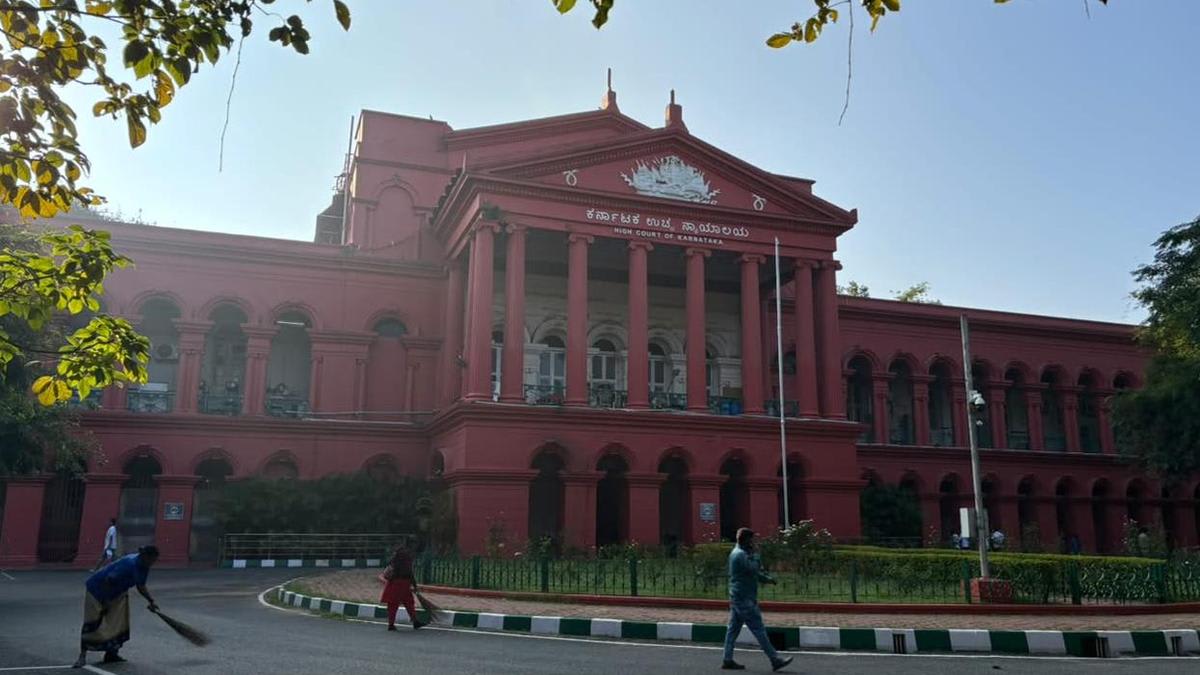
The Karnataka High Court has directed security agencies to overhaul mental health policies for armed personnel after quashing criminal charges against a CISF officer. The ruling emphasizes the need for better welfare support for staff carrying service weapons.
Karnataka High Court Mandates Mental Health Reforms for Armed Forces
A Landmark Judicial Intervention
The Karnataka High Court, led by Justice Suraj Govindaraj, has issued a significant directive urging security and police organizations to fundamentally rethink their approach to the mental health of personnel entrusted with firearms. This mandate emerged following the court’s decision to quash criminal proceedings against a 37-year-old Central Industrial Security Force (CISF) Sub-Inspector. The officer had faced legal action after a 2022 incident where she attempted to take her own life while on duty in Mangaluru using her service weapon.
Understanding the Context of the Case
The legal proceedings stemmed from a deeply personal tragedy. The Sub-Inspector had been grappling with severe, long-term psychological distress, primarily driven by her inability to conceive a child due to a medical condition involving a blocked fallopian tube. This case highlights how personal crises, often exacerbated by the high-pressure environment of armed service, can lead to extreme outcomes. By setting aside the lower court’s order and discharging her from criminal liability, the High Court has signaled a shift toward viewing such incidents through a lens of mental health support rather than purely criminal culpability.
The Necessity of Institutional Reform
The court’s advisory serves as a critical call to action for paramilitary and police forces across India. Entrusting personnel with service firearms requires a robust framework for monitoring psychological stability. The court has explicitly asked authorities to examine their existing policies and implement stronger welfare measures. This suggests that the current protocols for identifying, managing, and supporting personnel suffering from mental distress are inadequate and require immediate institutional strengthening.
Broader Implications for Security Forces
This ruling touches upon the broader systemic issue of occupational stress within Indian security services. Personnel often face prolonged separation from families, rigorous duty cycles, and intense environments, which can intensify existing mental health challenges. When these factors are compounded by personal struggles, the risk of self-harm increases significantly. By mandating a review of mental health policies, the Karnataka High Court is advocating for a more empathetic, preventative approach that prioritizes the human element behind the uniform.
Future Trends in Personnel Welfare
Moving forward, security organizations will likely face increased scrutiny regarding their mental health infrastructure. We can expect to see a push toward regular psychological screenings, the integration of professional counseling services within barracks, and perhaps a destigmatization of mental health issues among armed personnel. The court's intervention acts as a catalyst, urging agencies to transition from punitive measures to proactive care, ensuring that those who protect the nation are themselves protected by comprehensive health policies.
Verification Required?