Karnataka High Court cancels drug case against Shakti Kapoor’s son Siddhanth
Source Entity
Mustafa Plumber
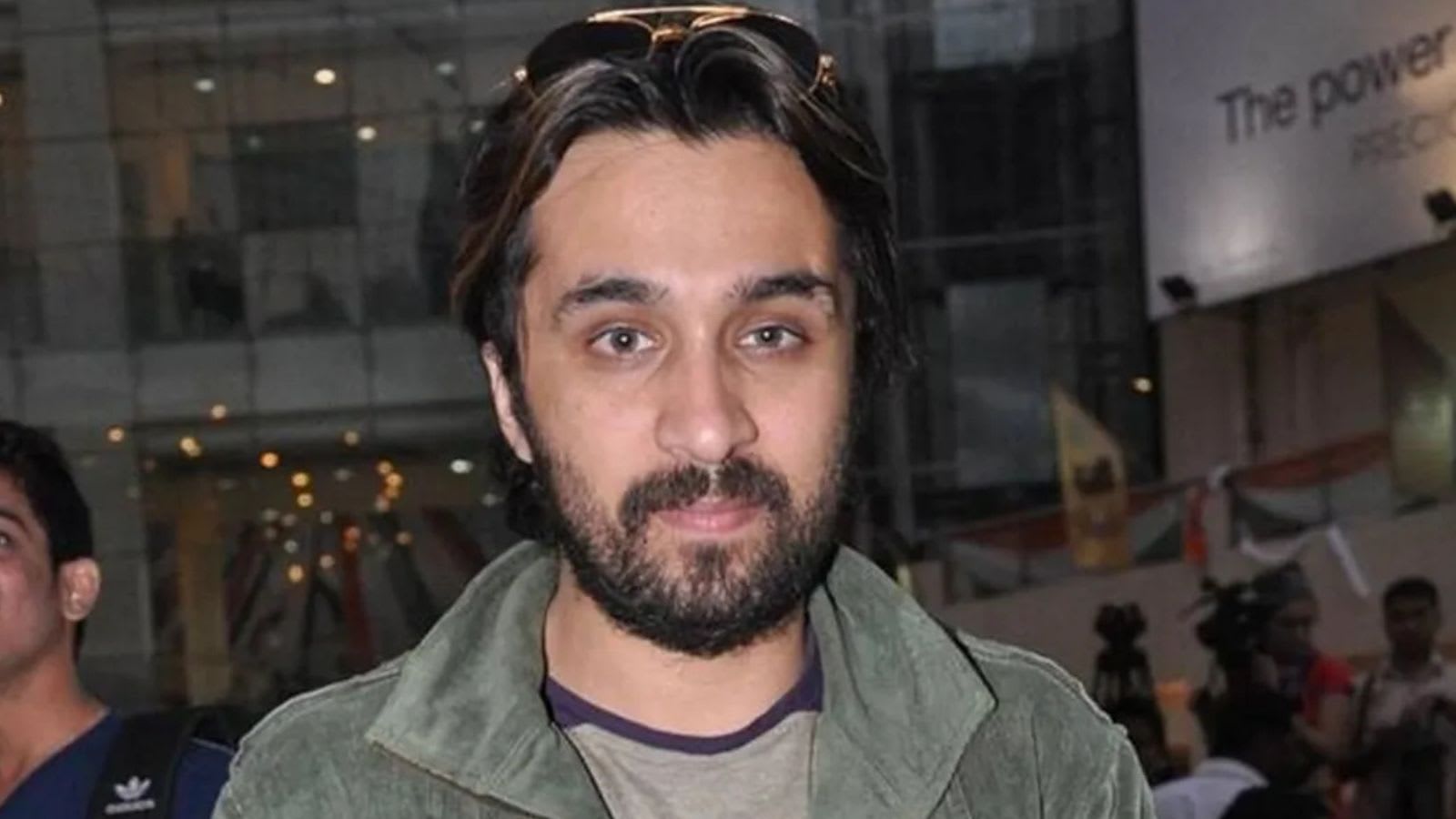
The Karnataka High Court has quashed a 2022 drug case against actor Siddhanth Kapoor and two others. The court ruled in favor of the petitioners after they challenged the criminal proceedings initiated following a police raid in Bengaluru.
Karnataka High Court Quashes Drug Case Against Siddhanth Kapoor
The Legal Resolution
The Karnataka High Court has officially cancelled the criminal proceedings initiated against actor Siddhanth Kapoor, son of veteran actor Shakti Kapoor, and two co-accused, Akil Sony and Hartosh Singh. Justice M. Nagaprasanna presided over the matter, granting the petitions filed by the accused to quash the case that had been pending since mid-2022. This judicial intervention marks a definitive end to the legal scrutiny the trio faced following a high-profile police operation in Bengaluru.
Background of the Incident
The legal entanglement stemmed from a police raid conducted at the ‘I Bar’ within Bengaluru’s Park Hotel on June 12, 2022. During this operation, law enforcement authorities took Siddhanth Kapoor and others into custody, alleging the consumption of controlled substances. The subsequent registration of a formal case on June 13, 2022, under the stringent provisions of the Narcotic Drugs and Psychotropic Substances (NDPS) Act, drew significant media attention due to the high-profile nature of the individuals involved.
The Petitioner's Defense
Siddhanth Kapoor had maintained his innocence throughout the proceedings, asserting that his presence at the venue was strictly professional. According to the statements provided to the court, Kapoor had been invited to the ‘I Bar’ to perform as a disc jockey for a four-hour set. The defense argued that the criminal charges lacked the necessary evidentiary foundation to proceed, leading the accused to seek legal recourse through the High Court to have the FIR and subsequent charges dismissed.
Judicial Oversight and Implications
The court's decision to allow the petitions and quash the case highlights the rigorous standards of evidence required under the NDPS Act. By reviewing the specific circumstances of the June 2022 raid, the Karnataka High Court determined that the continuation of the criminal case was not warranted. This outcome underscores the importance of the judiciary in ensuring that law enforcement actions remain within the bounds of procedural fairness and evidentiary sufficiency.
Broader Context of Enforcement
Cases involving alleged drug consumption in social settings such as hotels and clubs often trigger intense public and legal debate in India. While law enforcement agencies in metropolitan cities like Bengaluru frequently conduct such raids to curb substance abuse, the judicial system serves as a critical check to ensure that investigations are grounded in substantive proof rather than mere presence at an event. The resolution of this case serves as a notable instance where the court intervened to provide relief after evaluating the merits of the state's allegations.
Future Trends in Legal Accountability
As India continues to balance public safety and the enforcement of the NDPS Act, the outcome of this case may be viewed as a precedent for how similar investigations are handled. The quashing of these charges emphasizes that while authorities must remain vigilant, the rights of the accused to contest the validity of police actions remain a cornerstone of the legal process. Moving forward, such rulings are likely to encourage more precise investigative protocols during nightlife enforcement operations.