With 90 out of 128 cos & 64% of investments, K'taka top beneficiary of Centre's EDF scheme
Source Entity
TNN
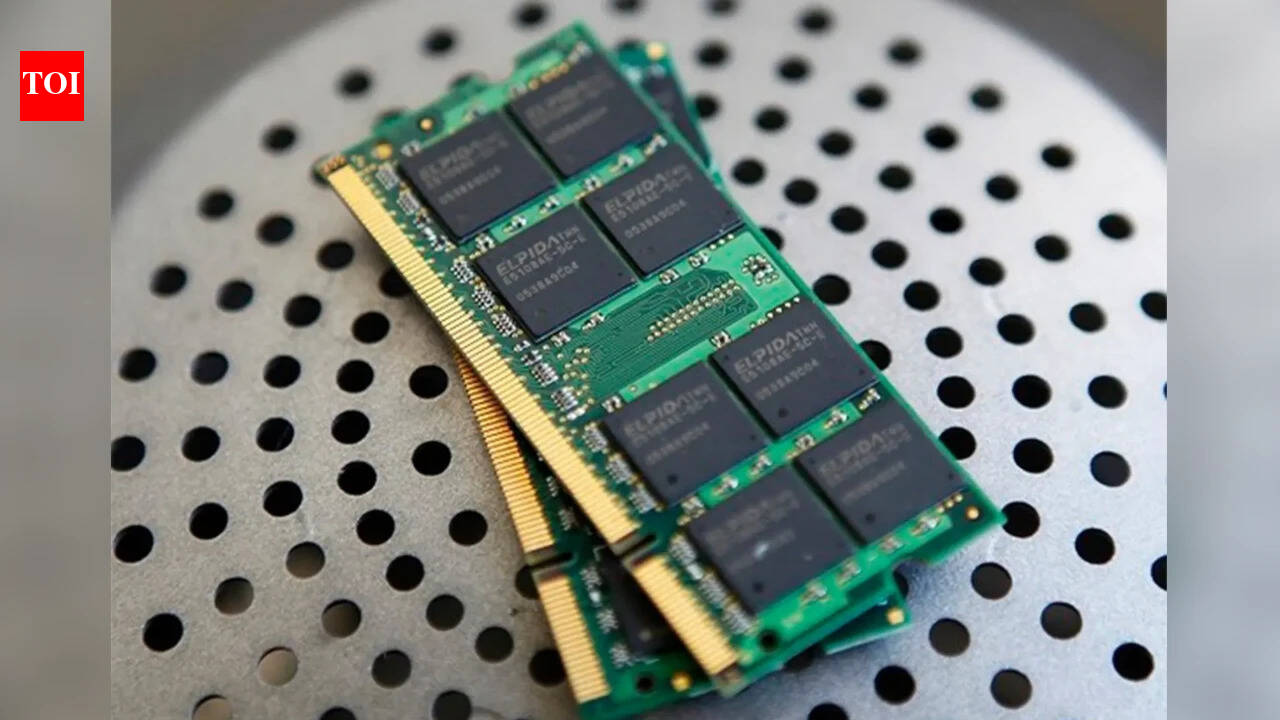
Karnataka has emerged as the primary beneficiary of the central government's Electronics Development Fund, securing nearly 64% of total investments. The fund is currently transitioning into its divestment phase after supporting 128 startups nationwide.
Karnataka Dominates Central Electronics Development Fund Allocations
Karnataka has solidified its position as India’s premier technology hub by securing the largest share of funding from the central government’s Electronics Development Fund (EDF). According to data presented to the Lok Sabha, Karnataka-based firms received Rs 854.5 crore out of a total Rs 1,335.7 crore disbursed. This financial concentration underscores the state's robust infrastructure and its ability to attract high-growth electronics startups that align with the national objective of boosting domestic manufacturing.
The Mechanics of the EDF Scheme
The Electronics Development Fund operates through a unique model where the government supports various "daughter funds" to provide capital to emerging companies. Managed by the Canbank Venture Capital Fund, this initiative was designed to bridge the funding gap for startups in the electronics system design and manufacturing (ESDM) sectors. With 128 companies receiving backing, the program has played a critical role in de-risking early-stage investments in a sector that is traditionally capital-intensive and research-heavy.
National Distribution and Regional Impact
While Karnataka dominates the funding landscape with 90 out of the 128 supported companies, other regions have also benefited significantly. Telangana, Maharashtra, and Delhi remain key participants in this ecosystem, reflecting a broader, albeit uneven, distribution of tech-centric industrial growth across India. The concentration in Karnataka, however, highlights the state's existing advantage in venture capital networks, technical talent, and established electronics manufacturing clusters.
Strategic Shift: The Divestment Phase
As the scheme enters its divestment phase, the focus shifts from capital infusion to evaluating the long-term sustainability of the supported firms. Divestment is a natural lifecycle stage for venture funds, signaling that the initial period of high-risk incubation is concluding. This phase will likely provide insights into the real-world success rates of the supported startups and their ability to scale independently without government-backed capital interventions.
Future Trends and Sectoral Implications
The success of the EDF in funneling over Rs 1,335 crore into the electronics sector serves as a barometer for India’s "Make in India" ambitions. Future policy trends will likely mirror this model, focusing on targeted capital support for deep-tech and hardware manufacturing. As the government transitions away from this specific fund, industry analysts expect a more mature startup landscape where private venture capital will be better positioned to pick up the mantle for late-stage growth, building upon the foundational support provided by the EDF.