Karnataka mandates gynaecological check-ups for girls, sex education in schools
Source Entity
India Latest News: Top National Headlines Today & Breaking News | The Hindu
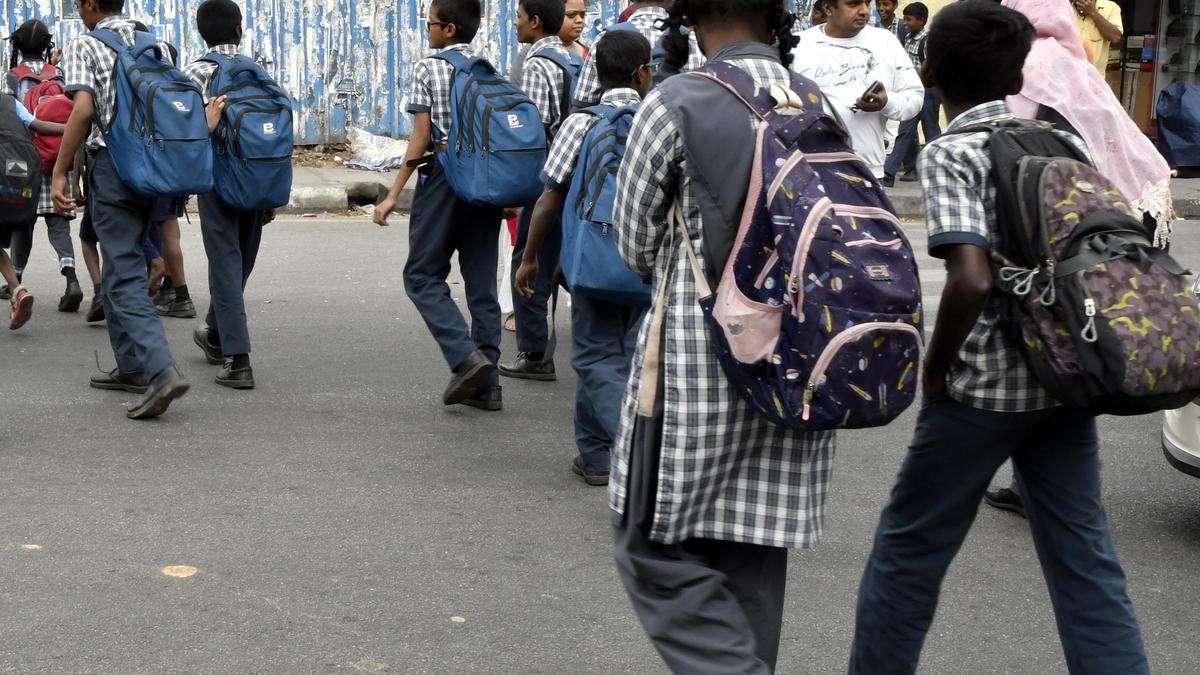
The Karnataka government has mandated comprehensive safety measures in educational institutions, including gynaecological check-ups and sex education. This initiative aims to protect students through increased surveillance and legal awareness regarding the POCSO Act.
Karnataka's Proactive Stance on Student Safety
The Karnataka government has taken a decisive step toward safeguarding the welfare of its student population by issuing a comprehensive joint circular. This directive, involving multiple state departments, mandates a suite of safety protocols across all schools, colleges, hostels, and residential training institutions. By integrating health, education, and surveillance, the state aims to create a secure environment that addresses both physical and social vulnerabilities faced by students in modern academic settings.
Prioritizing Health and Reproductive Awareness
Central to the new mandate is the requirement for mandatory gynaecological check-ups for girls, paired with the formal introduction of sex education in the curriculum. This is a significant policy shift aimed at early detection of health issues and fostering a better understanding of reproductive health. By normalizing these discussions, the government seeks to destigmatize health issues and provide students with the knowledge necessary to navigate their physical development safely.
Legal Empowerment and Prevention
Beyond health, the initiative places a heavy emphasis on legal literacy. The circular mandates awareness programs centered on the Protection of Children from Sexual Offences (POCSO) Act, 2012, as well as education on child rights, the dangers of child marriage, and the prevention of teenage pregnancies. By connecting students with resources like the Child Helpline (1098), the state is attempting to build a robust support network that empowers children to recognize and report abuse or exploitation.
Institutional Surveillance and Accountability
To complement educational efforts, the government has mandated the installation of CCTV cameras across all educational campuses. This surveillance infrastructure is designed to act as a deterrent against misconduct and to provide a record of activities within school premises. The move signifies a shift toward technological oversight, ensuring that schools are not only places of learning but also monitored spaces where student safety is prioritized through physical security measures.
Governance and Future Implications
By establishing Child Protection Committees, the state is formalizing the responsibility of educational institutions to act as guardians. The circular explicitly warns that negligence or failure to prevent misconduct will result in consequences for the institutions involved. This policy reflects a growing trend in India where state governments are moving away from reactive measures toward proactive, institutionalized protection frameworks that hold schools directly accountable for the safety of their wards.
Conclusion
This multi-faceted approach by the Karnataka government represents a holistic strategy to address child safety. By combining mandatory health screenings, comprehensive legal education, and increased surveillance, the state is laying the groundwork for a more protected educational ecosystem. The success of these measures will depend on the effective implementation of these guidelines and the continuous monitoring of institutional compliance.
Verification Required?