Karnataka SIR: Form 7 submissions surged from 58,475 to 2.28 lakh in 1 month, shows data
Source Entity
The Indian Express
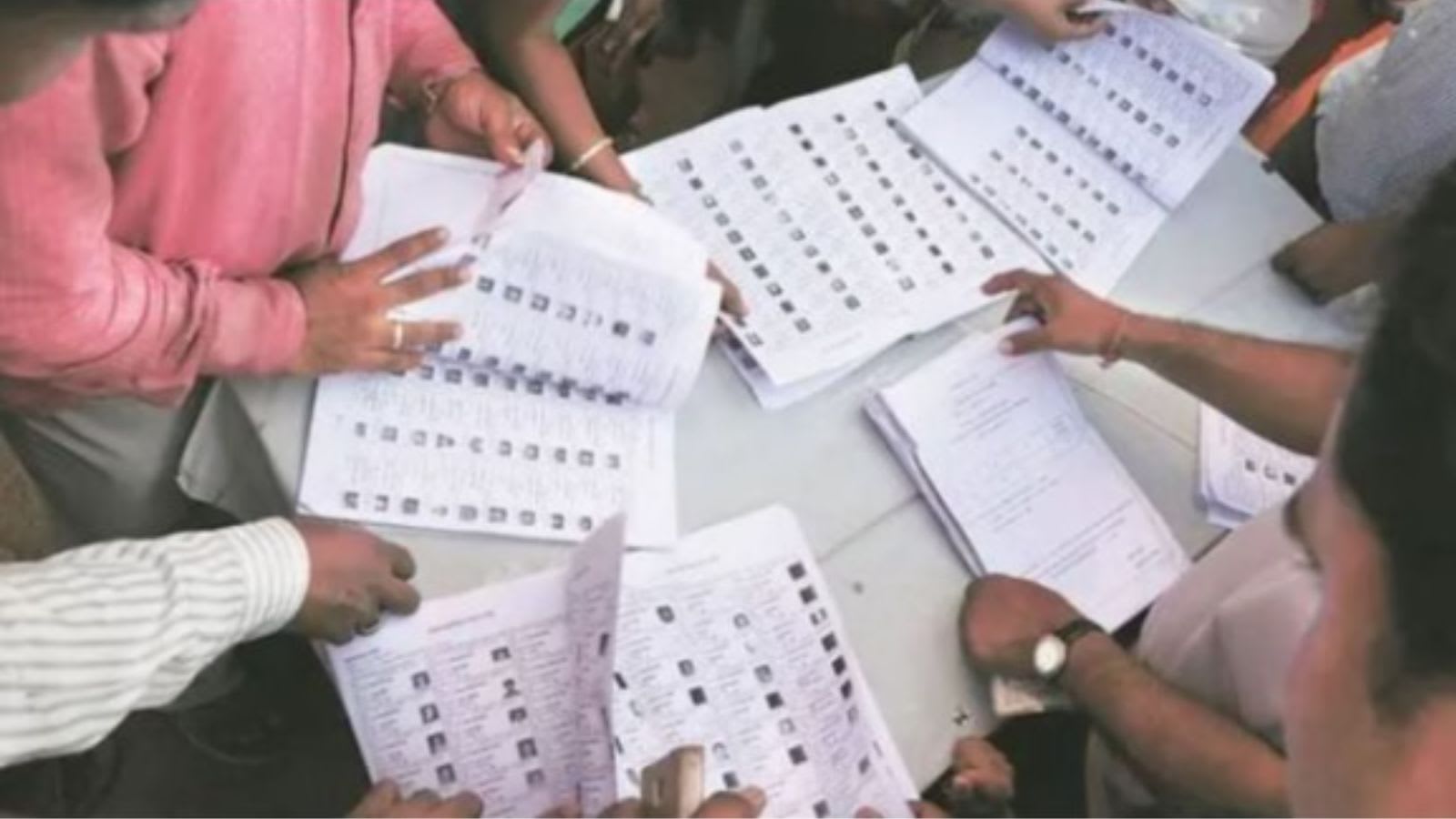
Karnataka has seen a massive surge in Form 7 applications for voter list deletions, jumping by over 170,000 in just one month. The Election Commission is currently managing these submissions amid allegations of bulk processing during the Special Intensive Revision.
Surge in Karnataka Voter Deletion Requests Raises Electoral Integrity Concerns
Recent data released by the Election Commission regarding the Special Intensive Revision (SIR) in Karnataka has unveiled a statistically significant anomaly in the processing of Form 7 applications. Between June 16 and October 22, the state recorded 2,28,917 applications, with a staggering surge occurring in the final month. Specifically, the number of applications rose from 58,475 on September 23 to 2,28,917 by October 22, representing an increase of 1,70,442 requests within a thirty-day window.
Understanding Form 7 and Electoral Rolls
Form 7 serves as the official mechanism for citizens to lodge objections against the inclusion of names in the electoral rolls or to request the deletion of existing entries. While this process is fundamental to maintaining an accurate and updated voter registry—ensuring that deceased individuals, relocated voters, or ineligible persons are removed—the sheer volume of recent submissions has triggered widespread allegations of improper bulk filing. Such spikes are often viewed with skepticism by political observers, as they can potentially be weaponized to disenfranchise specific voter demographics if not scrutinized thoroughly.
The Role of the Special Intensive Revision (SIR)
The SIR process is a periodic exercise mandated by the Election Commission to ensure the electoral roll reflects current ground realities. By opening this window, the commission aims to clean the rolls before upcoming elections. However, the concentration of over 1.7 lakh applications in just one month suggests an organized effort rather than individual, organic requests. This intensity of activity places a significant administrative burden on election officials to verify each claim, as the integrity of the democratic process relies on the accuracy of these deletions.
Administrative Response and Transparency
In response to the growing public and political discourse surrounding these figures, the office of the Karnataka Chief Electoral Officer has taken steps to reassure the electorate. A statement issued on Friday confirmed that all Form 7 applications received up to September 23 have already been cleared on a priority basis. This proactive move is intended to maintain the momentum of the revision process while demonstrating that the commission is actively managing the influx of documentation.
Broader Implications for Democracy
The rapid escalation in Form 7 filings highlights the vulnerability of electoral rolls to administrative manipulation. When the volume of deletion requests surges unexpectedly, it necessitates rigorous verification protocols to prevent the accidental or malicious removal of legitimate voters. Moving forward, the Election Commission will likely need to implement more stringent oversight mechanisms for bulk submissions to ensure that the SIR process remains a tool for accuracy rather than a vector for voter suppression.
Future Trends and Monitoring
As the SIR continues, all eyes will be on how the Election Commission verifies the remaining 1.7 lakh applications. The trend indicates a highly sensitized political environment where electoral rolls are increasingly becoming a battleground. Future electoral exercises will likely require enhanced digital verification, perhaps incorporating biometric or real-time geolocation checks, to ensure that every Form 7 application is genuine and supported by verifiable evidence, thereby safeguarding the sanctity of the vote.