Producer feud, red card, casting mistake: What went wrong with Karthik Subbaraj’s Iraivi
Source Entity
The Indian Express
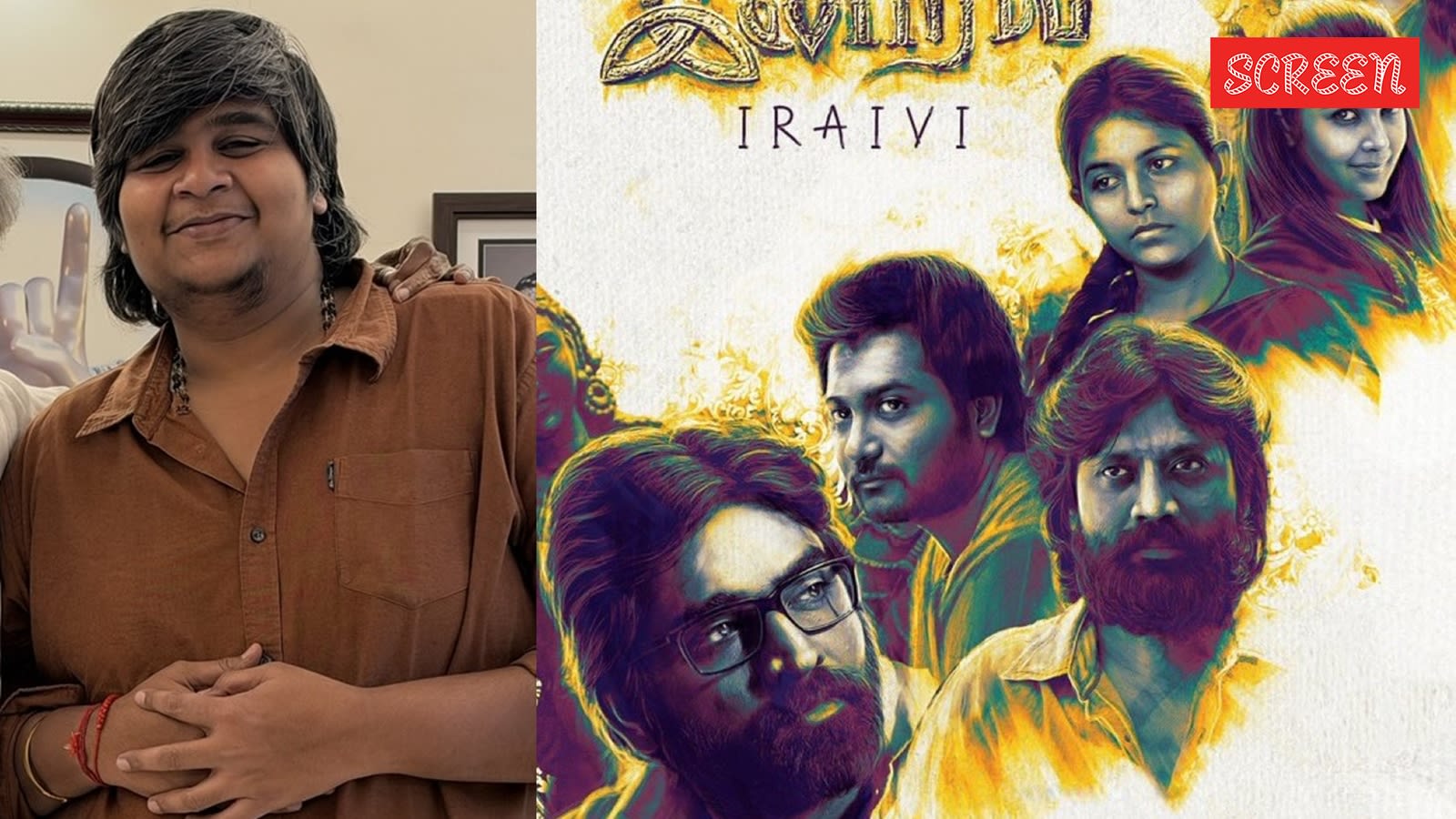
Director Karthik Subbaraj has opened up about the intense production hurdles and backlash faced by his 2016 film, Iraivi. He revealed that the film's negative portrayal of a producer led to threats of a red card from the Tamil Nadu Film Producers Council and casting regrets.
The Tumultuous Journey of Karthik Subbaraj’s Iraivi
Director Karthik Subbaraj’s 2016 film Iraivi is widely regarded as a significant piece of modern Tamil cinema, yet the production was marred by intense behind-the-scenes conflict. Subbaraj recently provided his most comprehensive account of these events, shedding light on how a narrative choice—depicting a producer as an antagonist—triggered a severe industry backlash that nearly derailed the film’s theatrical release.
The Anatomy of an Industry Conflict
The controversy was rooted in the sensitive power dynamics of the Tamil film industry. At the time of production, Subbaraj was already navigating a professional rift with a producer. When the script for Iraivi featured a producer character in a villainous light, it became a lightning rod for broader grievances. A real-life producer filed a formal complaint with the Tamil Nadu Film Producers Council (TNFPC), arguing that the depiction was a targeted slight, which escalated into an existential threat for the film.
The Threat of a 'Red Card'
The situation reached a boiling point when the TNFPC threatened to issue a 'red card' against the project. In the context of the Tamil film industry, such a measure effectively acts as a boycott, preventing a film from reaching theatres and crippling its financial viability. This pressure forced Subbaraj to navigate a precarious situation where his creative autonomy collided with the industry's collective sensitivity regarding its own image.
Reflections on Casting and Budgetary Realities
Beyond the external political pressures, Subbaraj has also offered a candid admission regarding the project's internal management. For the first time, the director acknowledged that he would have altered the casting choices had he possessed a clearer understanding of the film's budgetary constraints at the time. The ambitious ensemble cast, while artistically successful, created financial pressures that, when combined with the external controversy, complicated the film's post-production life.
Broader Implications for Creative Autonomy
This incident serves as a case study for the friction between artistic expression and institutional control in regional cinema. The case of Iraivi highlights how industry bodies can exert influence over narrative content, often prioritizing the reputation of professional guilds over the director's vision. It underscores the challenges filmmakers face when their work mirrors or critiques the very systems that sustain them.
Conclusion
Looking back, the story of Iraivi serves as a sobering reminder of the volatility inherent in film production. While the film eventually reached audiences, the scars of the producer feud and the subsequent administrative threats remain a pivotal part of its history. Subbaraj’s recent revelations provide necessary context for understanding the high-stakes environment in which contemporary Indian cinema is produced and the often-unseen battles that shape the final product.