‘Claustrophobia is what I was going for’: Sailesh Rathnakumar on nurses, care and his film Selvi
Source Entity
Latest News: Todays Latest News Headlines from India & World | Hindustan Times
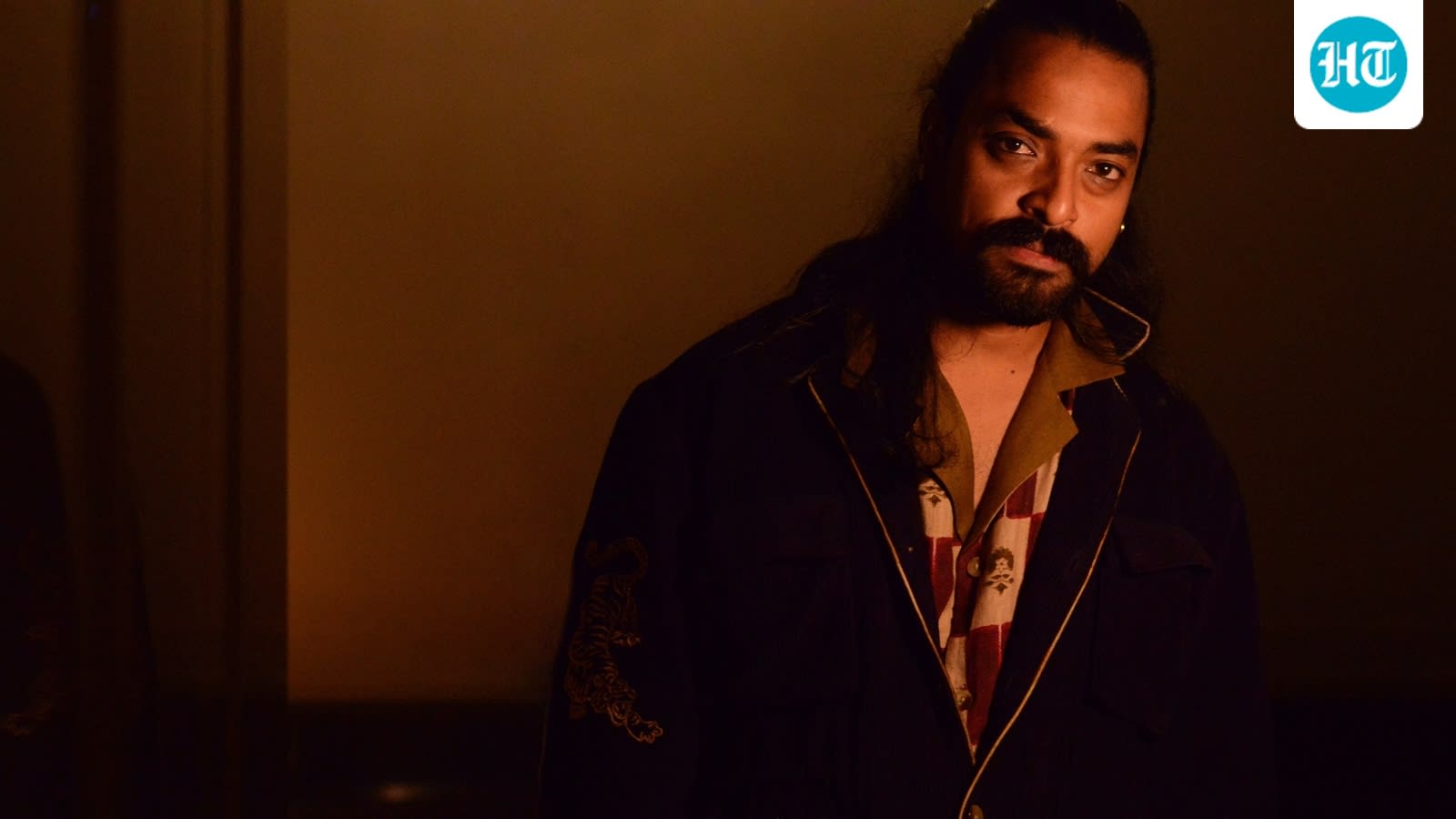
Director Sailesh Rathnakumar’s debut film 'Selvi' has gained international acclaim at the Busan International Film Festival. The film explores the profound emotional toll and moral dilemmas faced by homecare nurses during the COVID-19 pandemic.
The Cinematic Exploration of Care and Confinement
Sailesh Rathnakumar’s debut feature film, Selvi, has emerged as a significant piece of contemporary Indian cinema, recently securing two prestigious accolades at the Busan International Film Festival in South Korea: the Hylife Vision Award and the Taipei Film Commission Award. The film serves as a poignant examination of the intersection between professional duty and personal sacrifice, set against the backdrop of one of the most challenging periods in modern history.
The Genesis of a Pandemic Narrative
The inspiration for Selvi is deeply rooted in the lived experiences of the COVID-19 pandemic. Rathnakumar, 33, developed the concept alongside co-writer Bargav Sridhar after witnessing the essential role homecare nurses played during the illness of Sridhar’s mother. The narrative explores how these caregivers became the focal point of households, balancing the intense demands of their profession with the isolation and guilt of being physically and emotionally separated from their own families.
Themes of Guilt and Professional Traps
A central pillar of the film is the exploration of "choices that are really traps." Rathnakumar highlights the paradox faced by nurses who, due to safety protocols and the demands of their work, were often forced to reside with their patients' families rather than returning to their own. This proximity created a unique, claustrophobic atmosphere, which the director intentionally utilized as a stylistic and thematic device to mirror the emotional burden of caregiving.
Aesthetic Choices and Intimacy
The film’s visual language is designed to evoke a sense of urgency and confinement. By employing tight camera work that closes in on the protagonist’s intimate interactions with those she cares for, the audience is forced to confront the passage of time and the relentless nature of the work. The constant ticking of the clock serves as a reminder of the unending responsibilities that come with being a caregiver in a high-stakes environment.
Broader Implications of Caregiving Narratives
Selvi contributes to a necessary global dialogue regarding the invisible labor of healthcare workers. While the pandemic brought the importance of these individuals to the forefront, the film delves deeper into the psychological toll that remains long after the acute crisis has passed. By focusing on the human element of service, Rathnakumar invites viewers to reflect on the societal reliance on caregivers and the systemic sacrifices they are often expected to make without recognition.
Conclusion and Future Outlook
As Selvi continues its journey on the international film circuit, it stands as a testament to the power of independent storytelling. By grounding his narrative in the specific, harrowing realities of the pandemic, Rathnakumar has crafted a universal story about empathy, confinement, and the difficult choices that define our lives. The film’s success at Busan underscores a growing appetite for stories that humanize the struggles of essential workers, setting a high bar for future explorations of this complex subject matter.
Verification Required?