News in Frames: Upheaval in undulating valley
Source Entity
India Latest News: Top National Headlines Today & Breaking News | The Hindu
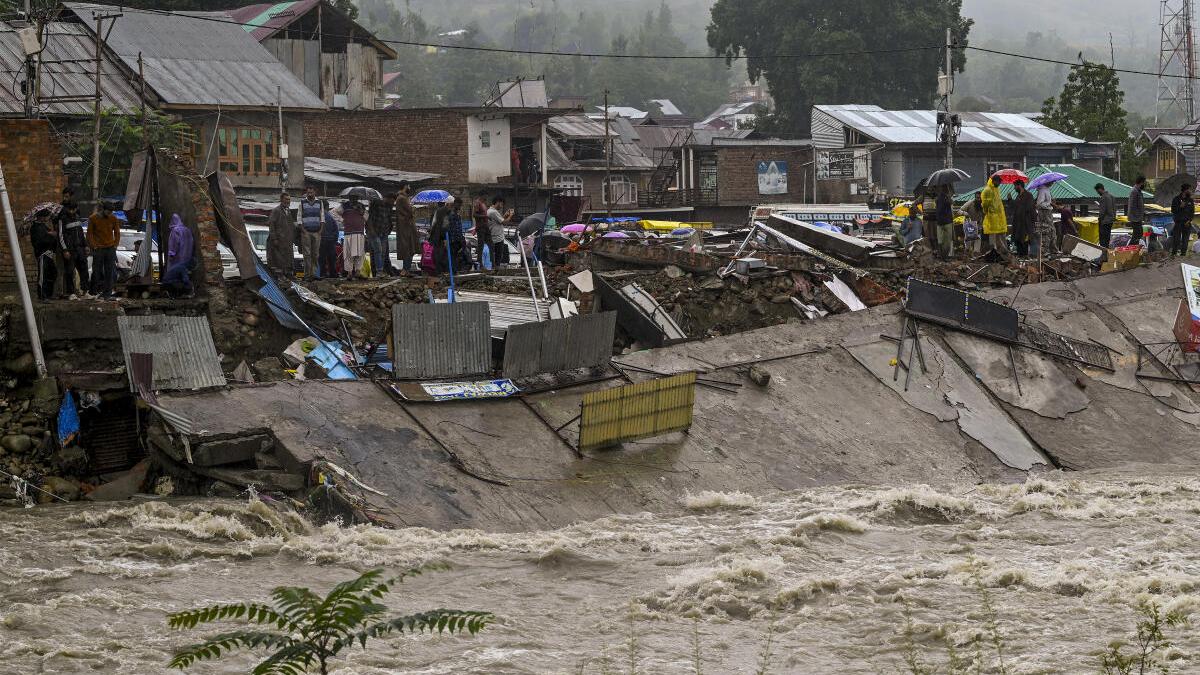
The Kashmir Valley is facing severe disruption following an unprecedented monsoon spell that saw rainfall 324.94% above normal. The resulting flash floods and waterlogging have crippled local agriculture and infrastructure across the region.
The Kashmir Deluge: An Unprecedented Monsoon Crisis
The Kashmir Valley is currently navigating a severe humanitarian and environmental crisis following an extraordinarily intense monsoon spell. According to data from the India Meteorological Department, the region experienced a staggering 324.94% increase in rainfall above the seasonal norm between July 17 and July 23. This deluge has effectively erased the region's seasonal rain deficit in a mere four-day window, catching local infrastructure and disaster management systems off guard.
Meteorological Volatility and Regional Impact
The intensity of this weather event is underscored by the localized data from Reasi district, which recorded a massive 473.2 mm of rainfall between July 19 and July 24. This rapid accumulation of water has transformed the landscape, causing the Jhelum river and the Lidder river catchment areas to swell to dangerous levels. The geography of the valley, characterized by its undulating terrain, has exacerbated the speed of runoff, leading to widespread flash floods that have compromised structural integrity across various districts.
Agricultural and Economic Disruption
Agriculture remains the backbone of the Kashmiri economy, and this extreme weather has dealt a significant blow to local farmers. The inundation of crops and the destruction of arable land threaten the region’s harvest cycle. As water bodies remain swollen, the saturation of soil increases the risk of secondary disasters, such as landslides, which further isolate rural communities and complicate the delivery of essential supplies and emergency aid.
Urban Infrastructure under Pressure
Beyond the rural agricultural sector, urban centers in the valley are grappling with severe waterlogging. The inability of existing drainage systems to manage such a high volume of water in a condensed timeframe has paralyzed daily life. Transportation networks have been disrupted, and the structural damage to buildings and roads signifies a long road to recovery for the local administration and the affected populace.
Future Trends and Resilience
This event serves as a stark indicator of the shifting meteorological patterns within the Himalayan region. The ability of the valley to withstand such extreme precipitation in the future will depend heavily on climate-resilient urban planning and improved early warning systems. As the region moves toward recovery, the focus must shift from reactive disaster management to long-term strategies that account for the increasing frequency of high-intensity monsoon events.
Conclusion
The current situation in the Kashmir Valley is a critical reminder of the vulnerability of high-altitude ecosystems to climate volatility. With significant damage to infrastructure and agriculture, the immediate priority remains the safety and restoration of normalcy for the residents. Long-term stabilization will require a comprehensive reassessment of flood mitigation strategies in the face of increasingly erratic and intense monsoon patterns.
Verification Required?