Kaziranga crash: Speed limiter removed to make more trips, police find
Source Entity
Shinjini Ghosh
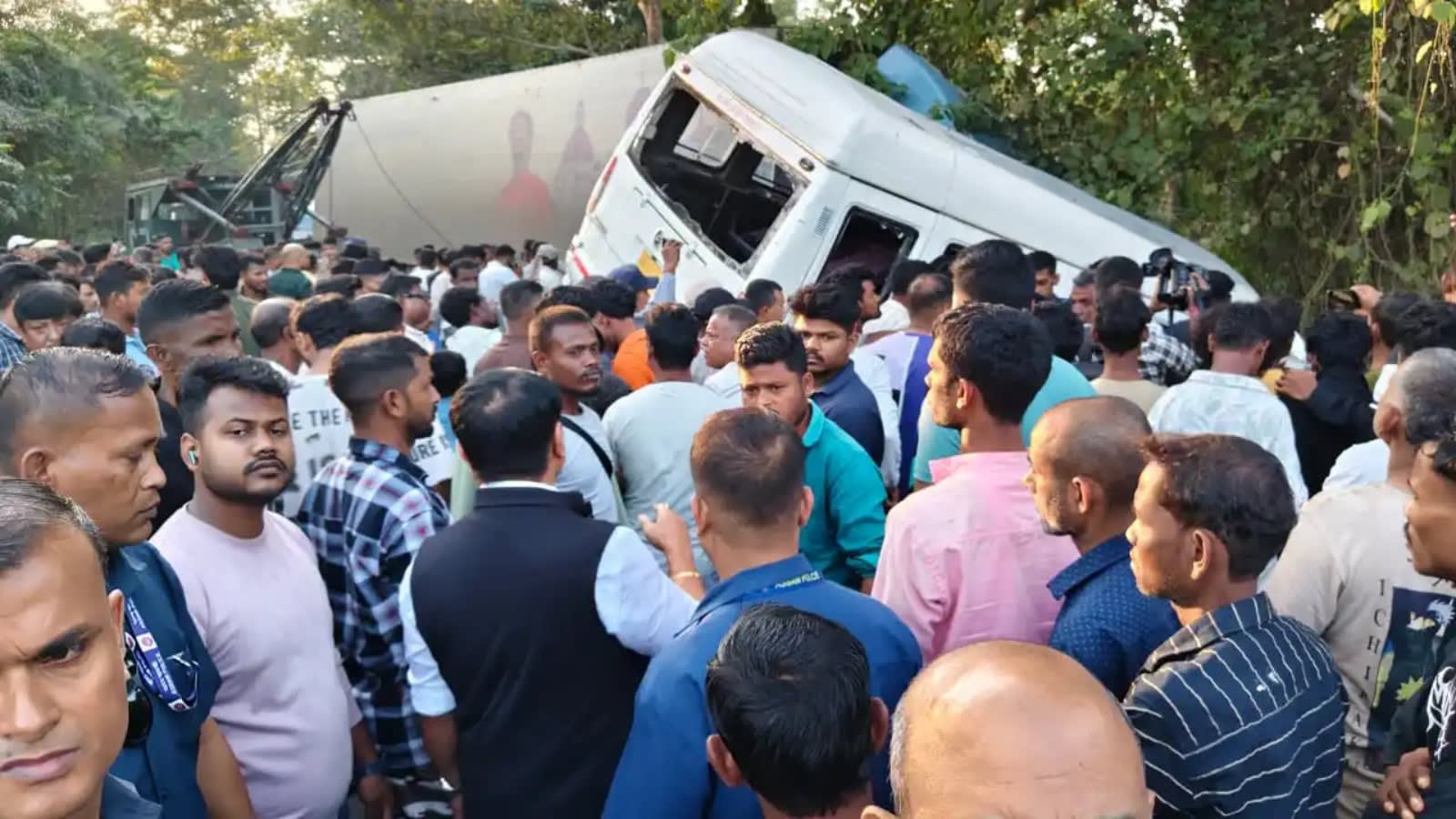
A police investigation into a fatal minibus collision in Kaziranga has uncovered that the owner intentionally removed a mandatory speed-limiting device to maximize trips. The accident resulted in 26 fatalities, highlighting systemic negligence in commercial vehicle safety compliance.
The Kaziranga Tragedy: A Case of Negligence and Systemic Failure
The recent head-on collision between a minibus and a container truck near Kaziranga, which claimed the lives of 26 individuals, has sent shockwaves through the region. While road accidents are unfortunately common, the revelation by the Golaghat police that this tragedy was potentially preventable elevates the incident from a mere accident to a case of gross criminal negligence. The investigation, led by Senior Superintendent of Police Swapnaneel Deka, has confirmed that the minibus owner deliberately disabled a mandatory speed-limiting device.
The Economics of Risk
At the heart of this investigation is a disturbing prioritization of financial gain over human life. The police report indicates that the speed-limiting device—a critical safety mechanism designed to prevent commercial vehicles from exceeding safe operational thresholds—was removed specifically to allow the vehicle to make more trips in a shorter duration. This practice reflects a dangerous culture in the commercial transport sector where the pressure to maximize revenue incentivizes owners to bypass safety regulations, effectively turning public transit into a high-stakes gamble.
Regulatory Enforcement and Oversight
This incident casts a harsh spotlight on the efficacy of vehicular safety enforcement in Assam. While laws requiring speed-limiting devices are clearly established, the ability of an owner to bypass these systems undetected highlights a significant gap in the regulatory framework. The fact that the vehicle was operating without this essential equipment suggests that current inspection protocols at transport authority checkpoints may be insufficient to catch deliberate tampering, necessitating a more robust system of random inspections and stricter penalties.
The Broader Impact on Public Safety
Beyond the immediate loss of 26 lives, this event underscores the vulnerability of commuters who rely on private commercial transport. When safety standards are treated as optional, the entire public transportation ecosystem is compromised. The emotional and economic toll on the families of the victims is immeasurable, but the societal impact is equally profound, as it erodes public trust in the safety of road travel. This tragedy serves as a grim reminder that safety laws are not mere administrative hurdles; they are the thin line between transit and catastrophe.
Moving Toward Accountability
As the investigation proceeds, the legal focus will likely shift toward the accountability of the vehicle owner and the driver. The police have established a clear link between the removal of the device and the resulting fatalities, which should facilitate a rigorous prosecution. Moving forward, authorities must consider not only punitive measures against the individuals involved but also systemic reforms, such as tamper-proof safety technology and more frequent, rigorous vehicle fitness certifications to prevent such a disaster from recurring.
Conclusion
The Kaziranga collision is a harrowing example of how corporate or individual greed can lead to catastrophic loss of life. By intentionally disabling safety features to increase trip frequency, the operator effectively signed a death warrant for the passengers. Ensuring justice for the 26 victims requires not only holding the responsible parties accountable but also implementing a systemic overhaul of how commercial transport safety is monitored and enforced across the state.
Multiple Citing Sources