I am from UP. In Kerala, I felt like I belonged
Source Entity
Deepika Singh
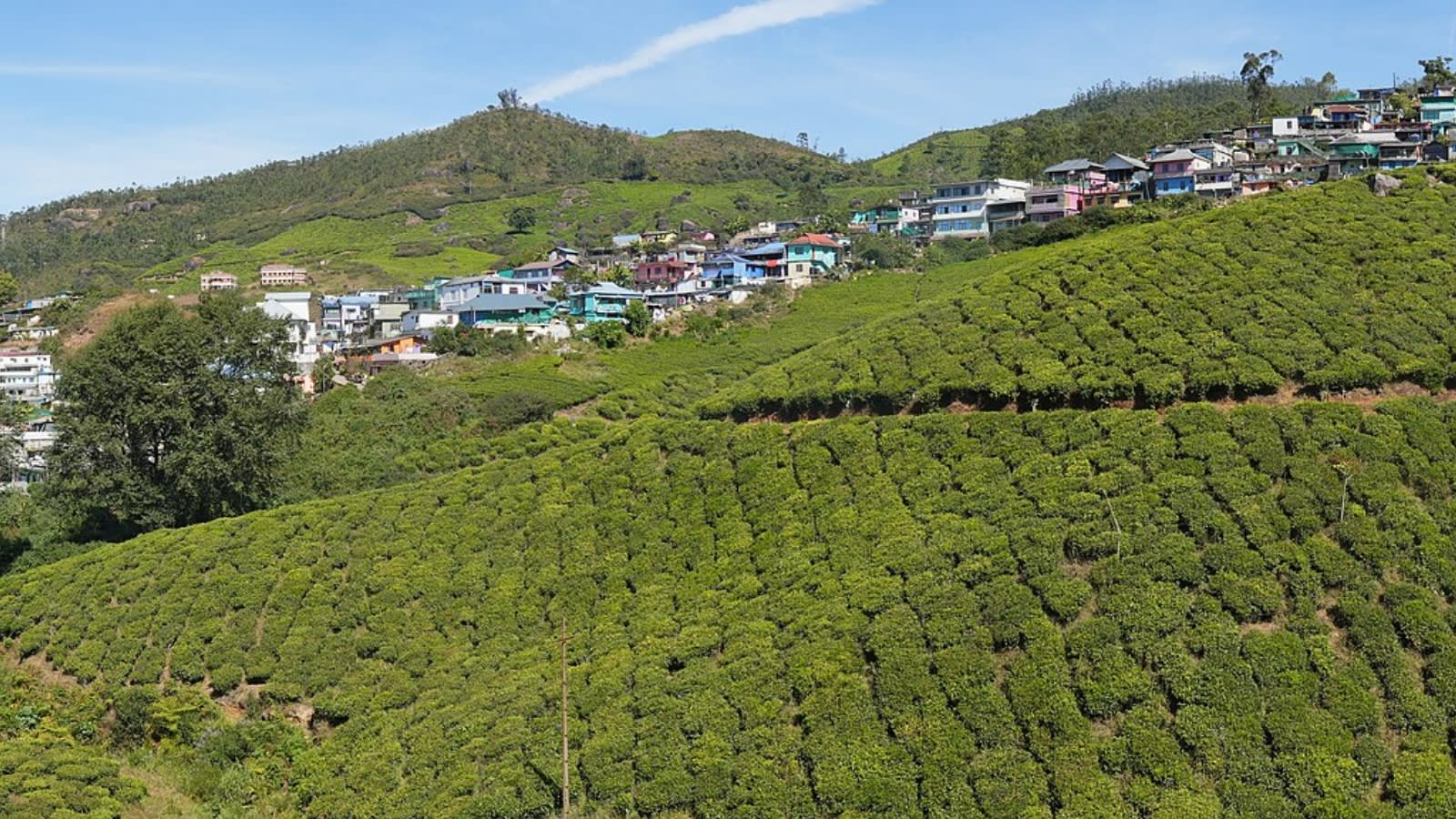
A traveler from Uttar Pradesh discovers that Kerala's culinary landscape is surprisingly accommodating for restrictive diets like vegan-keto. The trip highlights the versatility of Keralan cuisine, proving it transcends traditional meat-centric perceptions.
Culinary Surprises in the South: A Kerala Travelogue
Traveling to a new region often brings anxiety regarding dietary restrictions, particularly when one adheres to a specialized regimen like a Keto diet. When a traveler from Uttar Pradesh embarked on their first journey to Kerala this past July, the primary concern was whether their companion—who maintains a near-vegan lifestyle—could sustain a Keto diet amidst a state frequently stereotyped for its heavy meat-eating culture. This narrative challenges the common misconceptions surrounding regional food accessibility in India.
Breaking the Myth of Meat-Centricity
While Kerala is widely recognized for its robust seafood and meat-based dishes, the reality of its culinary heritage is far more diverse. The traveler’s experience serves as a case study in how traditional South Indian ingredients can be adapted to modern, restrictive dietary patterns. By moving beyond the surface-level reputation of the state’s diet, the visitors discovered a sophisticated array of plant-based options that align perfectly with low-carb, high-fat requirements.
The Versatility of Local Produce
Central to this culinary discovery was the creative use of humble vegetables. The traveler noted that their companion successfully consumed cauliflower-based starters, various mushroom preparations, and tofu-based dishes. By incorporating local staples like avial (a mixed vegetable curry) and thoran (a dry vegetable stir-fry), the pair found that Kerala’s kitchen is inherently flexible. These dishes, when paired with rasam and moru (spiced buttermilk), provided a satisfying and nutritionally balanced experience that defied the initial fear of limited choices.
The Intersection of Tradition and Modernity
This narrative highlights a broader trend in Indian tourism: the evolution of regional menus to cater to a globalized palate. As travelers from states like Uttar Pradesh visit Kerala, the demand for adaptable dining experiences is rising. The ability of local chefs to pivot from traditional recipes to accommodate "almost vegan" and Keto-friendly requests suggests a high level of culinary innovation. This responsiveness is essential for maintaining the state’s appeal as a premier tourist destination.
Why It Matters for Future Tourism
For future travelers, this experience underscores the importance of looking past regional stereotypes. The success of this trip proves that even the most restrictive diets can be accommodated in regions where the culinary foundation is built on fresh, seasonal vegetables and aromatic spices. It serves as an encouragement for others to explore diverse Indian states without the fear of compromising their personal dietary commitments.
Conclusion: A Sense of Belonging
Ultimately, the traveler’s reflection that they felt they "belonged" in Kerala stems from the ease of their experience. When a destination accommodates the personal needs of a visitor—whether through culture, language, or food—it creates a lasting bond. This trip confirms that Kerala’s hospitality is not just about the scenic landscapes, but also about the inclusive nature of its dining culture, making it a welcoming space for everyone, regardless of their dietary constraints.