Attack on ED officials: Kerala HC grants bail to 9 accused
Source Entity
India Latest News: Top National Headlines Today & Breaking News | The Hindu
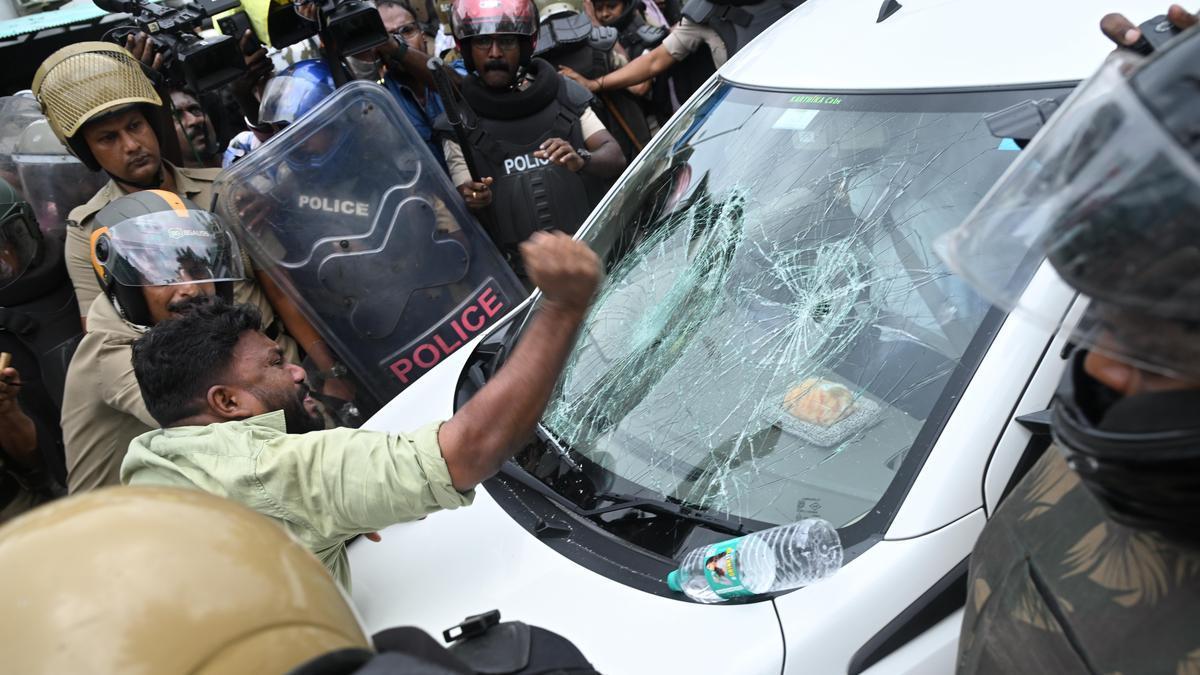
The Kerala High Court has granted bail to nine individuals involved in the 2026 attack on ED officials during a raid on Pinarayi Vijayan's residence. The court cited the lack of prior criminal history and the completion of the investigation as primary grounds for the decision.
Legal Developments in the ED Attack Case
On August 3, 2026, the Kerala High Court reached a significant judicial decision by granting bail to nine individuals accused of attacking Enforcement Directorate (ED) officials. The incident occurred during a high-profile raid conducted in May 2026 at the Thiruvananthapuram residence of former Chief Minister Pinarayi Vijayan. Justice Kauser Edappagath presided over the case, ultimately ruling that the prolonged period of remand—exceeding 60 days—warranted the release of the accused, provided they adhere to specific bail conditions.
Judicial Reasoning and Case Assessment
The court’s decision was underpinned by a careful examination of the evidence and the status of the ongoing investigation. Justice Edappagath highlighted that the accused individuals possessed no prior criminal records, which played a pivotal role in the favorable bail outcome. Furthermore, the court scrutinized the initial charges, specifically noting that the evidence did not sufficiently support the gravity of an attempted murder charge. By observing that the investigation had reached its final stages, the court determined that the continued detention of these individuals was no longer strictly necessary for the progression of the case.
The Context of the ED Investigation
This legal development is intrinsically linked to the broader financial investigation surrounding Exalogic Solutions, a defunct firm previously owned by T. Veena, daughter of Pinarayi Vijayan. The ED’s raid, which spanned both Kannur and Thiruvananthapuram, was a direct effort to uncover potential financial irregularities. The attack on the officials during this operation became a flashpoint for political tension, as it directly obstructed federal investigative procedures and sparked intense public and legal debate regarding the sanctity of investigative agency operations.
Broader Implications for Federal-State Relations
This incident underscores the volatile intersection of federal investigatory power and state-level politics in India. When central agencies like the ED conduct operations against prominent political figures, the resulting friction often leads to localized unrest and legal standoffs. The court's intervention serves as a reminder of the judicial system's role in balancing the state's investigative authority with the individual rights of citizens, even in cases involving high-stakes political investigations.
Future Trends in Investigative Oversight
Looking ahead, this case suggests that judicial scrutiny of investigative delays will continue to be a critical factor in how such cases are handled. As the investigation into Exalogic Solutions moves toward its conclusion, the legal system will likely maintain a strict focus on the proportionality of charges. The judiciary’s insistence on evidence-backed accusations, such as the dismissal of the attempted murder charge, signals a trend where courts are increasingly willing to challenge the severity of initial investigative filings to protect civil liberties.
Conclusion
The bail granted to the nine accused marks a transition in the legal proceedings of this high-profile case. While the investigation into the financial dealings of Exalogic Solutions persists, the court has effectively narrowed the scope of the criminal proceedings by evaluating the individual culpability of those involved in the obstruction of the ED raid. This case remains a focal point for understanding the limits of federal intervention and the procedural rigor required in politically sensitive investigations.
Verification Required?