2,914 students dropped out of State syllabus schools in 2024-25 in Kerala; 36.65% are migrant workers’ children
Source Entity
India Latest News: Top National Headlines Today & Breaking News | The Hindu
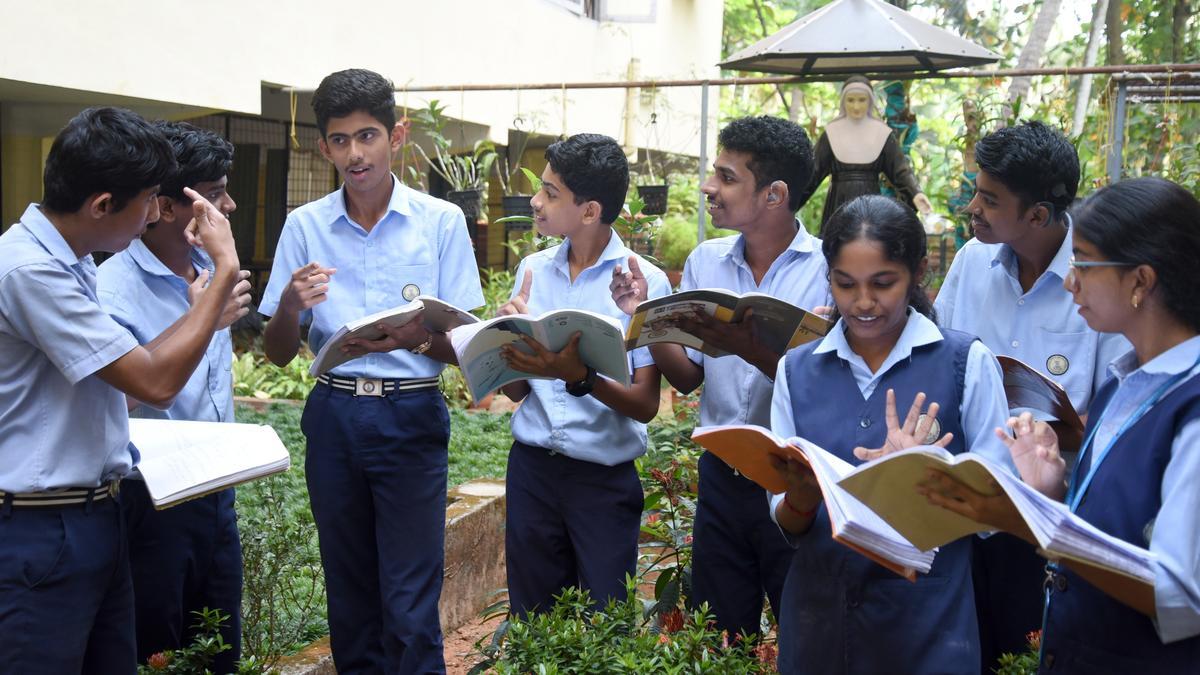
In the 2024-25 academic year, 2,914 students dropped out of Kerala state syllabus schools, with over one-third being children of migrant laborers. Education Minister N. Samsudheen noted that this mobility is largely driven by parents returning to their home states or relocating for work.
Educational Instability Among Migrant Families in Kerala
The Scope of the Dropout Crisis
During the 2024-25 academic year, the Kerala education system witnessed a notable disruption, with 2,914 students leaving the state syllabus school system. This figure highlights a persistent challenge in a state that is otherwise celebrated for its high literacy rates and robust public education infrastructure. The primary drivers of these departures are not necessarily failures of the pedagogical system, but rather the inherent instability associated with the lives of migrant families living and working within the state.
Migrant Children: The Most Vulnerable Segment
Of the total number of students who discontinued their studies, 36.65%—or 1,068 students—were identified as children of migrant workers. This demographic constitutes the largest single group within the dropout data, underscoring the precarious nature of education for children whose parents rely on seasonal or transient labor. These families typically hail from states including Assam, West Bengal, Bihar, Uttar Pradesh, Tamil Nadu, and Odisha, reflecting the broad reach of Kerala’s labor market.
Drivers of Educational Discontinuity
According to a written reply provided by the Minister for General Education, N. Samsudheen, the reasons for these dropouts are logistical rather than academic. In many instances, the students left because their families returned to their home states or relocated to different regions in search of alternative employment. This migratory pattern creates a 'fluid' student population that makes it difficult for local schools to ensure long-term enrollment continuity, as the children's schooling is inextricably linked to their parents' economic migration.
Geographical Concentration of the Trend
Data analysis reveals that the impact is not uniform across the state. Ernakulam district, a major commercial and industrial hub that attracts a significant share of the migrant workforce, reported the highest number of migrant student dropouts, accounting for 36.5% of that specific category. Malappuram district followed, indicating that districts with high industrial activity or construction sectors face the greatest burden in managing the education of highly mobile migrant populations.
Broader Implications and Future Outlook
The situation poses a significant policy challenge for the Kerala government. While the state strives for universal education, the 'migrant' status of these children creates a cycle of discontinuity that can hinder their long-term academic progress. Addressing this will likely require more flexible administrative policies that allow for seamless credit transfers or temporary schooling arrangements. As long as the state remains a primary destination for labor from across India, the educational system must adapt to accommodate a student body that is increasingly defined by its geographical mobility.
Verification Required?