Crime Branch nabs PSC additional secretary R. Hari in examination irregularities case
Source Entity
India Latest News: Top National Headlines Today & Breaking News | The Hindu
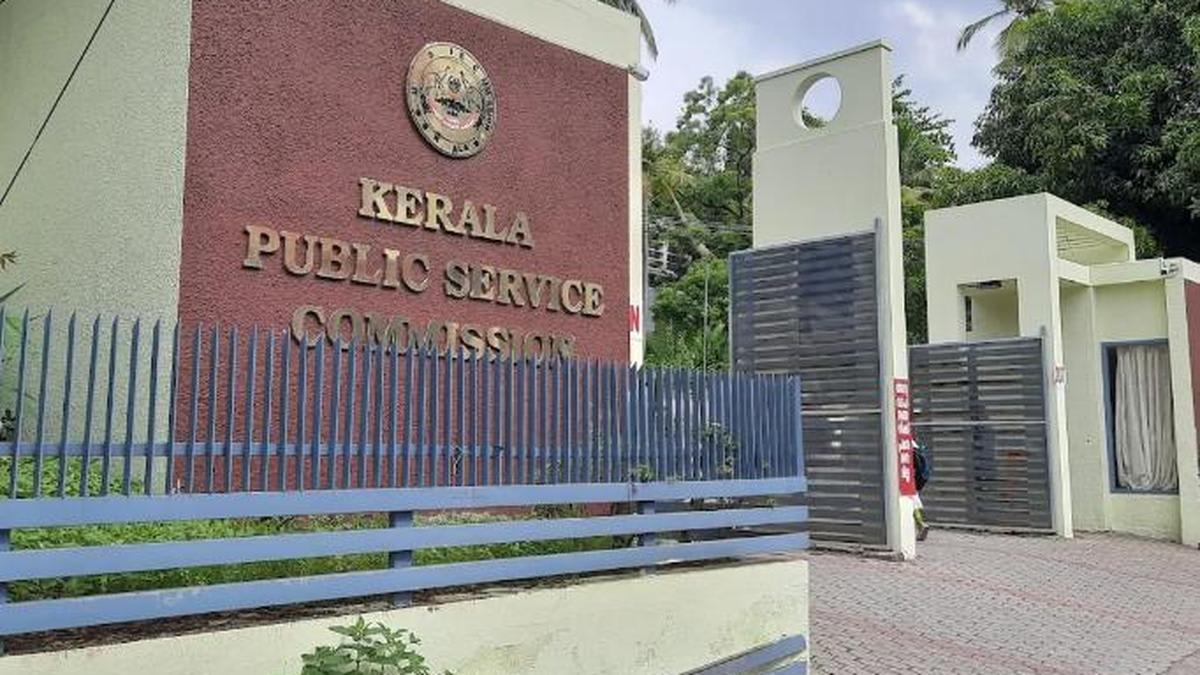
The Kerala Crime Branch has arrested two senior PSC officials, R. Hari and P. Satheesh, over allegations of deliberate manipulation in a State Planning Board exam. Investigators found that 10 questions were intentionally excluded from the evaluation process, compromising the integrity of the selection.
Integrity Crisis: Kerala PSC Exam Manipulation Scandal
The Allegations of Systematic Irregularity
The Kerala Public Service Commission (PSC), an institution tasked with ensuring meritocratic recruitment for government service, is currently embroiled in a significant controversy. The Crime Branch has formally alleged that deliberate manipulation occurred during the examination process for the State Planning Board. According to the investigation, the integrity of the test was compromised not through external hacking, but through internal subversion, with officials allegedly orchestrating an environment where specific procedural failures could occur.
The Role of Senior Officials
The investigation centers on two key figures: P. Satheesh, a former deputy secretary of the PSC, and R. Hari, an additional secretary. The police remand report explicitly states that these irregularities were carried out with the knowledge of these high-ranking officials. The arrest of Mr. Satheesh and the subsequent pursuit and eventual apprehension of Mr. Hari—who had been absconding—highlight the gravity of the breach. The government has already taken administrative action, suspending Mr. Hari and withholding the retirement benefits of Mr. Satheesh, signaling a zero-tolerance approach to institutional corruption.
Technical Sabotage: The Case of the Missing Questions
The core of the manipulation revolves around the online evaluation process. Investigators discovered that 10 specific questions were intentionally excluded from the final evaluation. Crucially, the online evaluation camp was shuttered without any effort to restore these questions, suggesting a pre-meditated attempt to skew results. By removing these questions, the accused allegedly exerted control over the final scoring, which directly impacts the ranking and selection of candidates for the State Planning Board.
Broader Implications for Public Trust
The Kerala PSC is the primary gateway for government employment in the state, and public confidence in its impartiality is paramount. When officials in charge of the evaluation process are accused of tampering with exam data, it undermines the faith of thousands of aspirants who rely on the PSC for fair career opportunities. This event serves as a stark reminder of the vulnerability of digital examination systems to internal manipulation, even when external security protocols are ostensibly in place.
Future Trends and Institutional Reform
As the Crime Branch continues its investigation, the focus will likely shift toward systemic reforms to prevent future occurrences. This case underscores the necessity of robust audit trails and independent oversight during the digital evaluation phase. Future trends in recruitment governance will likely involve stricter accountability measures for officials managing evaluation infrastructure and the implementation of multi-layered verification processes that prevent single-point failures. The outcome of this case will undoubtedly be a benchmark for how the state handles corruption within its core administrative bodies.
Verification Required?